Battery storage is one of the most exciting steps a homeowner can take toward genuinely owning their energy. Store what your panels generate during the day, use it at night, and lean on the grid a whole lot less. Simple idea. Great outcome. But in practice, I see the same mistakes come up time and again when homeowners are researching, buying or setting up a home battery system. Some of these mistakes cost money. Some cost performance. A few cost both. This article runs through the most common ones so you can sidestep them entirely.
Buying a Battery Without Checking Your Solar System First
This is probably the most frequent situation we see. A homeowner decides they want a battery, finds one they like the look of, and orders it before anyone has looked at what their existing solar setup can actually do.
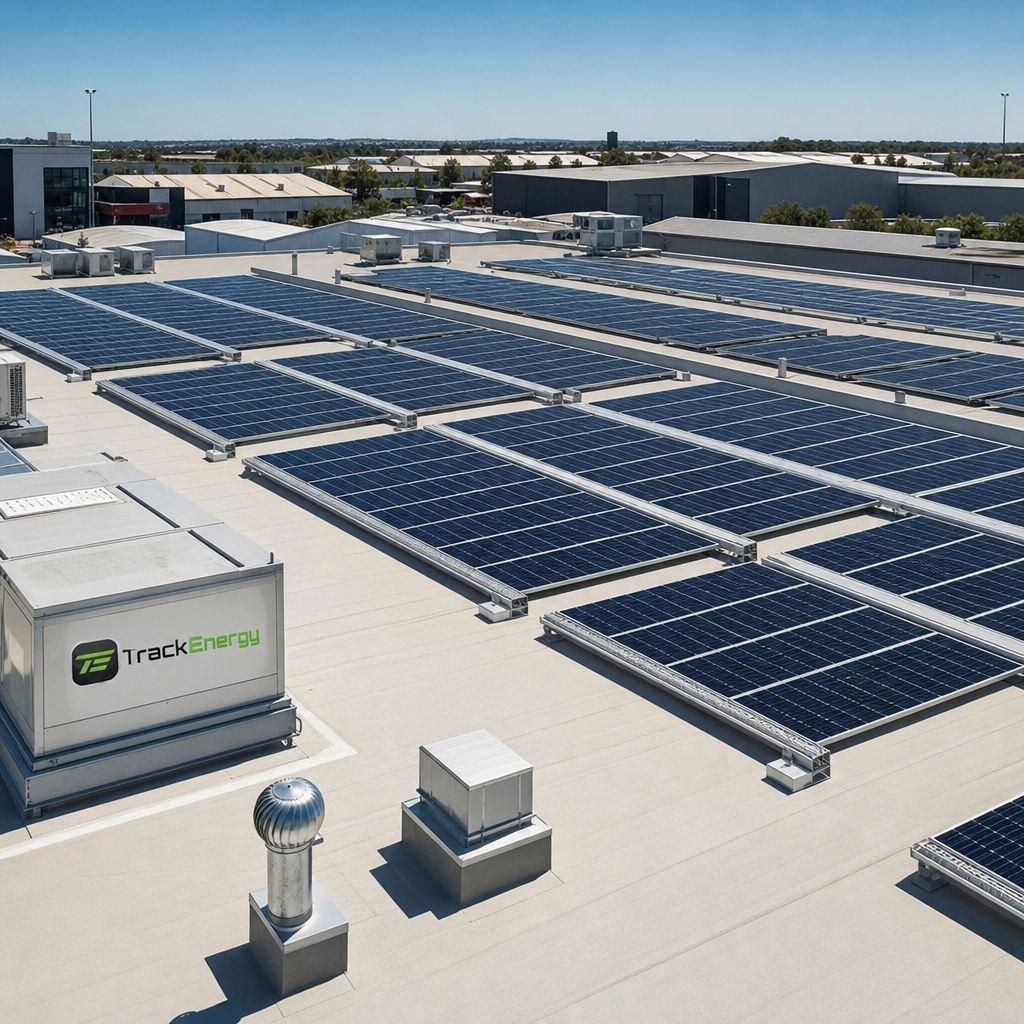
Here is the problem. Not every solar inverter is compatible with every battery. Some older inverters cannot communicate with modern battery systems at all. Others can be retrofitted with an additional unit, but that adds complexity and cost. In some cases, the solar system itself is undersized for the home's current energy use, which means adding a battery does not fix the underlying issue and the battery ends up cycling in ways that wear it down faster.
Before anything else, a proper system review should happen. That means looking at your current solar generation data, your household consumption patterns and your inverter model. A battery should be designed into a solution, not bolted onto a problem.
Choosing Size Based on the Wrong Numbers
Battery sizing is where a lot of wishful thinking creeps in. Some homeowners go too small because they are chasing a lower upfront cost. Others go too large because they want total energy independence and end up with storage capacity their solar system can never reliably fill.
The right battery size for your home depends on a few things working together. How much energy your household uses after the sun goes down. How much your solar system generates on an average day in your location. Whether you want to cover just your evening load, or whether you also want backup capacity in the event of a grid outage.
South Australia has some genuinely good solar conditions, particularly in the warmer months, but winter generation drops off and that affects how often and how fully a battery gets charged. A system designed without accounting for seasonal variation in Adelaide and surrounds can leave you short exactly when you were counting on it most. Getting the sizing right from the start is worth the time it takes.
Ignoring the Importance of Battery Placement
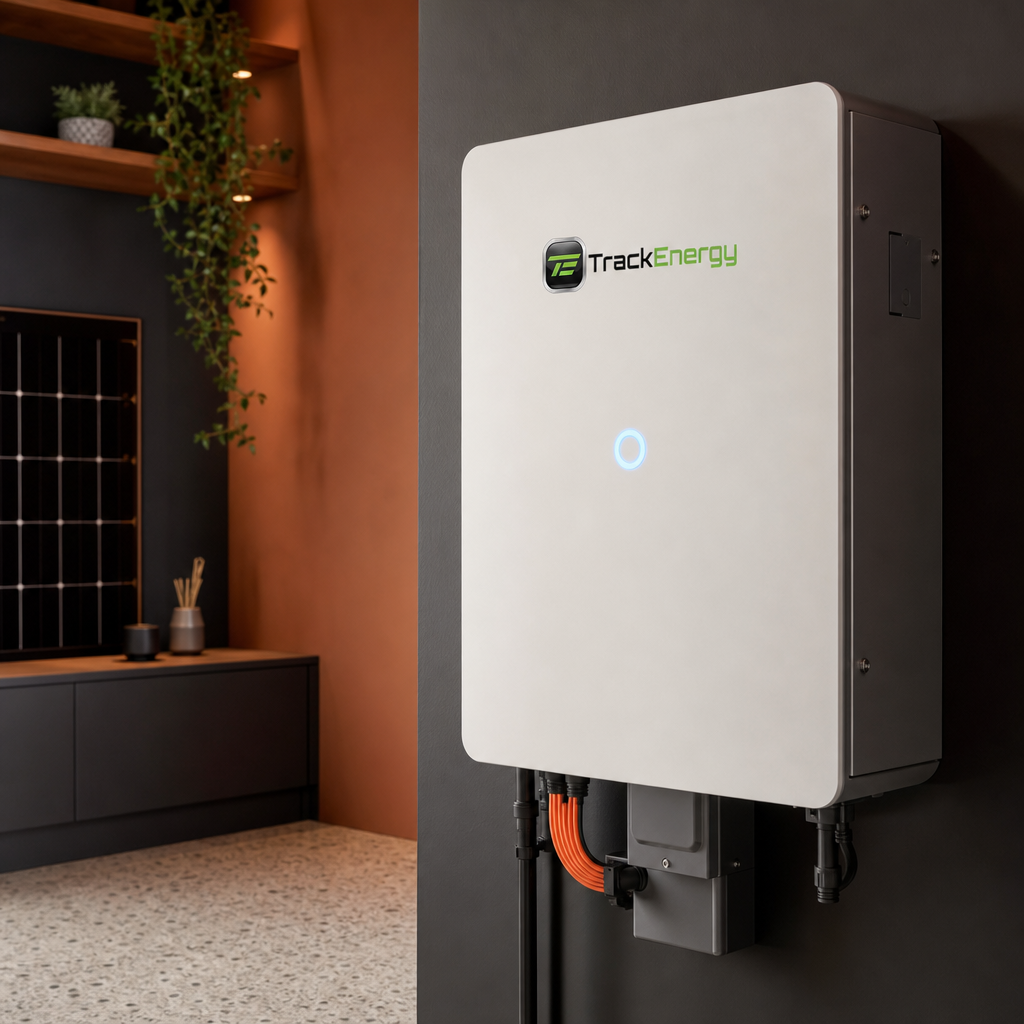
Batteries are not just a box you stick anywhere convenient. Most home battery systems have operating temperature ranges that matter quite a bit. Install a battery in a spot that gets extremely hot in summer, like an unshaded garage wall in direct afternoon sun, and you will likely see reduced performance and a shorter overall lifespan.
In South Australia, summer temperatures can be brutal. A battery sitting in a poorly ventilated space on a 40 degree day is not going to perform or last the way the spec sheet suggests. The same goes for locations that get very cold, though that is less of a concern here than heat.
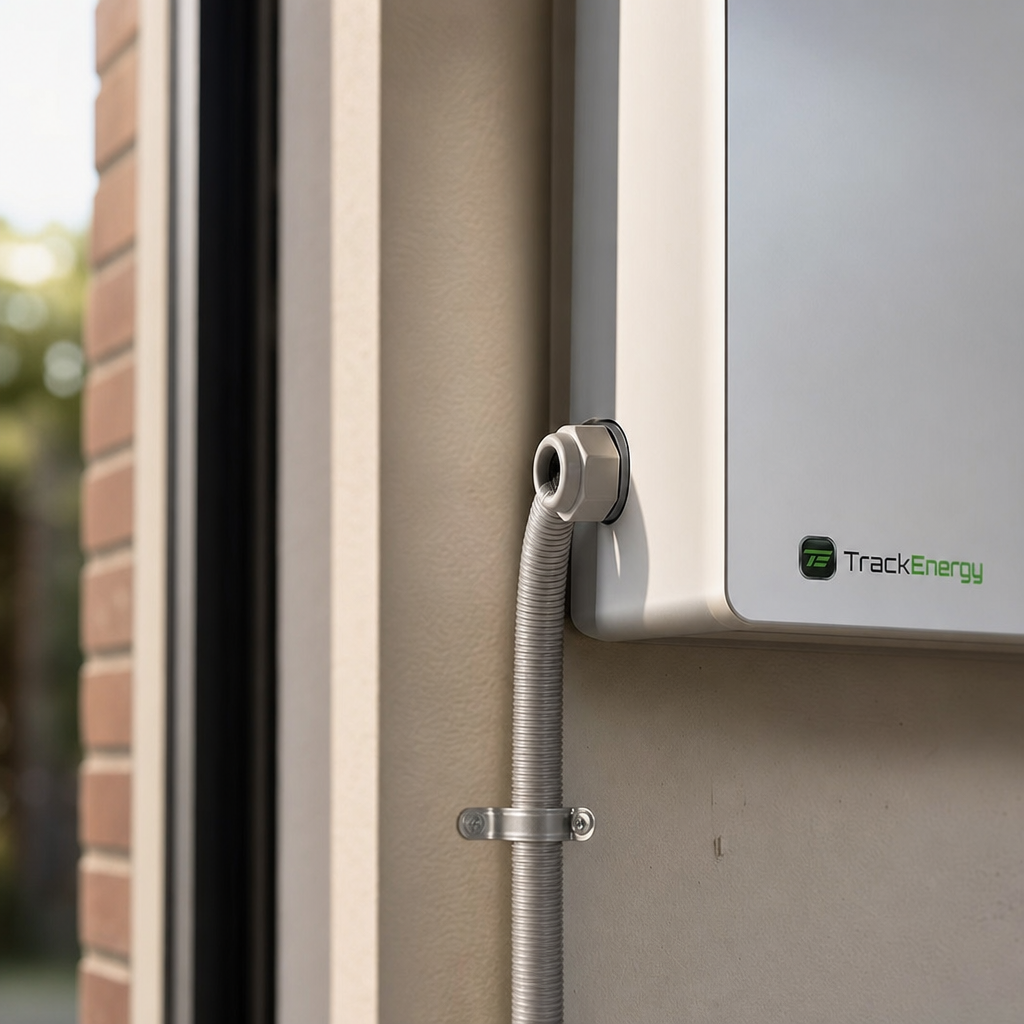
Good placement also means thinking about access for monitoring and servicing down the track, as well as distance from your switchboard and inverter. These are details that a quality installation takes care of from the beginning. When shortcuts are taken here it often shows up later as a warranty issue or a performance complaint.
Overlooking How Tariffs and Battery Settings Work Together
This one surprises a lot of people. Having a battery installed is one thing. Getting the most out of it requires setting it up in a way that works with your electricity tariff structure.
South Australian households have access to time of use tariffs through various retailers, where electricity costs more at peak times and less off peak. A battery that is set up correctly can be configured to discharge during those expensive peak periods, which is where the real financial benefit often sits. Some systems can also be set to top up from the grid at off peak rates overnight if your solar generation has not fully charged the battery that day.
None of this happens automatically out of the box unless someone has configured it for your specific tariff. The most common situation we see is a battery running on default settings that are not optimised for how that particular household uses energy or what tariff they are on. A proper setup and handover should cover this, but it often gets rushed or skipped entirely.
It is also worth reviewing your tariff once a battery is in place. What made sense before storage may not be the best fit anymore, and the right retailer plan can make a meaningful difference to your outcomes.
Expecting a Battery to Do Everything Without Backup Planning
Batteries are genuinely impressive pieces of technology, but they are not unlimited. A common mistake is assuming that a home battery will keep the whole house running indefinitely through a grid outage. In reality, most standard battery setups provide what is called partial home backup or essential circuits backup, meaning they cover selected loads like lights, the fridge and phone charging rather than the whole property.
Some systems do support whole home backup, but that requires specific hardware and a more involved installation. If blackout resilience is a priority for you, that conversation needs to happen before equipment is chosen, not after the system is in and you discover it does not behave the way you expected.
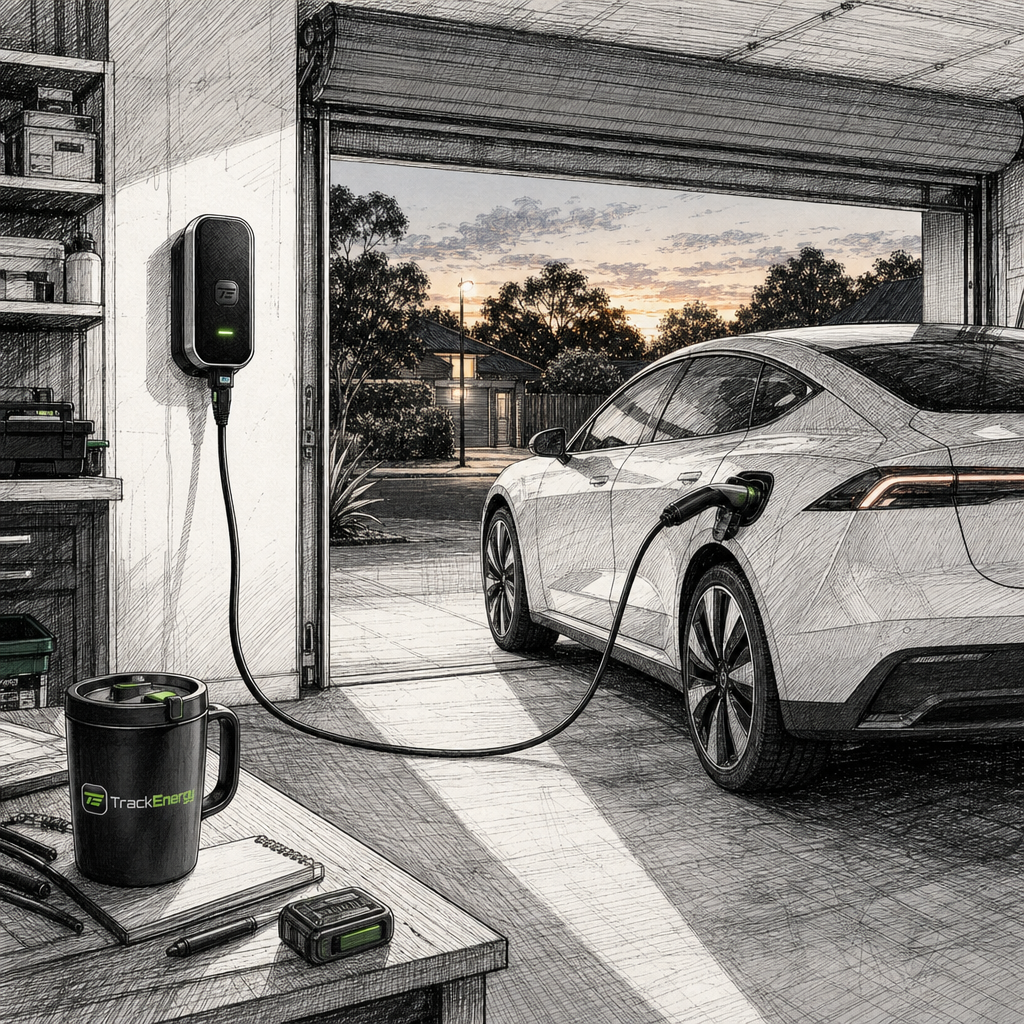
Similarly, if you are planning to add an EV charger at some point, that changes the energy picture significantly. Charging an electric vehicle from a battery that was sized without accounting for that load can drain storage quickly and leave you without the evening cover you were counting on. Planning the whole picture together, solar, battery and EV charging, from the start leads to a much more effective outcome than trying to piece it together in stages without a plan.
Skipping Professional Advice to Save Time
I get it. There is a lot of information available online and it is tempting to do your own research, pick a product and just get it done. But battery storage is one of those areas where the detail really does matter, and the cost of getting it wrong tends to show up slowly over time rather than all at once.
A system that is undersized, poorly placed, incompatible with your inverter or set up on the wrong tariff structure is not going to fail dramatically on day one. It just quietly underperforms for years. You might never realise what you missed out on.
Working with someone who has done this across hundreds of South Australian homes, who understands how local conditions, local grid behaviour and local tariff structures all interact, is genuinely valuable. Not because I am trying to sell you on complexity, but because getting it right once beats going back to fix it later.
If you are thinking about adding battery storage to your home or business, or you want to make sure an existing system is set up the way it should be, I am happy to have a straight conversation about what actually makes sense for your situation. No jargon, no pressure. Just practical advice from someone who has been doing this in South Australia since 2012.
Get a free solar quote from Track Energy. Visit trackenergy.com.au or call 0416 533 628