Summer in South Australia is genuinely exciting if you have solar on your roof. Long days, strong sun angles and the best generation conditions of the year. But it is also when energy bills can spike if you are not making the most of what your system is producing. Air conditioning running hard, everyone home, and the grid under pressure during those late afternoon peaks.
After more than a decade of installations across SA and over 2,000 completed systems, we see the same patterns play out every summer. Some households sail through with low bills and a system performing exactly as it should. Others leave a surprising amount of value sitting on the table simply because of a few habits or settings they have never revisited. These tips are here to change that.
1. Shift Your Heavy Loads to the Middle of the Day
This one sounds simple but it makes a real difference. Your solar system produces the most power roughly between 10am and 2pm during summer. That is when you want your dishwasher running, your washing machine going, your pool pump doing its work and your hot water system heating up if it is electric.
If your appliances have delay start timers, use them. Set the dishwasher before you leave for work and time it to run at midday. Program your pool pump to operate through the peak solar window rather than overnight. Every kilowatt hour you pull from your own roof instead of the grid is energy you are not paying for at retail rates, and in SA those rates are among the highest in the country.
The goal is straightforward. Use what you generate before it goes anywhere else.
2. Pre Cool Your Home Before Peak Tariff Hours
South Australia's grid pricing means late afternoon and early evening electricity is expensive. Time of use tariffs, where they apply, hit hardest right when people get home and start running air conditioning at full pace.
The smarter move is to pre cool your home during the middle of the day when your solar is generating hard and electricity is cheaper or being supplied entirely from your own roof. Drop the thermostat by a few degrees during peak solar hours, let the home absorb that cooling, then raise the set point slightly heading into the evening. Well insulated homes hold temperature surprisingly well and you can coast through the expensive part of the day with your system working far less.
It takes a small change to your routine but it is one of the most effective things you can do to lower bills through a SA summer.
3. Check Your Inverter App and Know What Normal Looks Like
Most modern solar inverters come with a monitoring app. If you have not opened yours recently, summer is the time to start looking at it regularly. A healthy system on a clear SA summer day should be generating close to its rated capacity during those midday hours. If you are seeing numbers well below what you would expect and the sky is clear, something is worth investigating.
Common things that reduce output include shading from a new tree branch, dust and grime buildup on panels, or a fault sitting quietly in the background. The earlier you catch a drop in performance the less generation you lose over the season. An underperforming system in summer is costing you more than at any other time of year because the opportunity is at its highest.
You do not need to be technical to do this. Simply note what your system produces on a typical clear day and compare it week to week. If the numbers start drifting down without obvious weather reasons, get it looked at.
4. Clean Your Panels Before the Season Hits Its Stride
SA summer often arrives after a dry autumn and winter. Dust, pollen, bird droppings and general grime accumulate on panel surfaces and can reduce output more than most people realise. Studies within the industry consistently show that dirty panels in dusty climates can lose a meaningful percentage of their generation capacity, and Adelaide's northern suburbs and Hills properties see this regularly.
A careful clean with water and a soft brush or a rinse from a hose on a cooler morning can recover that lost output. If your panels are difficult to access safely, a professional clean is worth arranging. Please do not attempt to get on your roof without the right equipment and safety setup. The energy savings from clean panels are real but no panel cleaning is worth a fall.
Schedule this before the really hot days arrive. Cleaning panels in 38 degree heat is not a good idea for you or for the glass surface.
5. Review Whether Your Battery Is Set Up for Summer Conditions
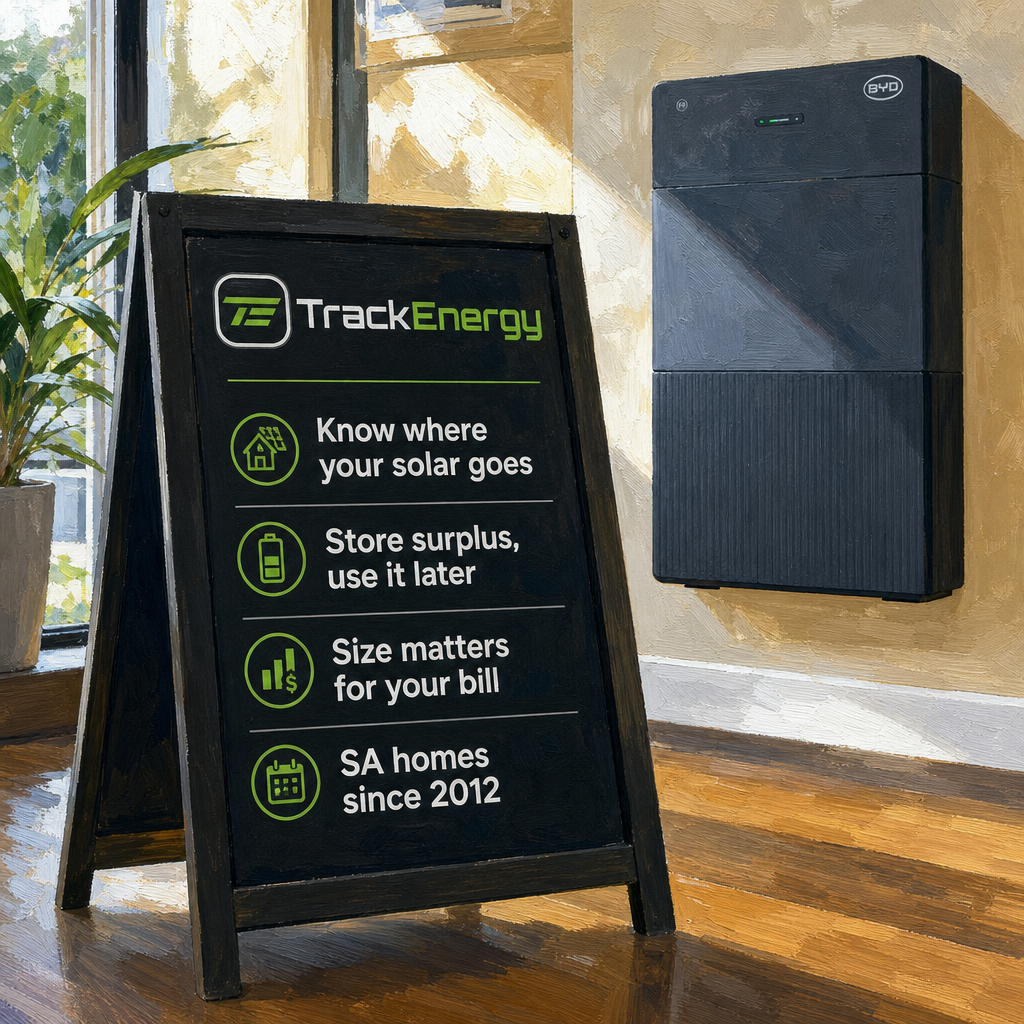
If you have a home battery, check how it is configured for the warmer months. Many batteries have settings that control when they charge, when they discharge and how much reserve they hold. A setting that was optimised for winter, where generation is lower and you might want to hold more reserve, can leave you underutilising your battery in summer when there is more solar than you can consume.
In summer, a well configured battery should be filling up by early to mid afternoon from your solar generation alone on most days. If it is still only partially charged by late afternoon, the charge settings or the system's load management may need a look. Your installer should be able to review this remotely or during a site visit.
Battery technology in Australia is expanding fast, with industry reporting significant growth in home battery uptake nationally. If you have been thinking about adding storage to an existing solar system, summer is a strong reminder of what you could be doing with excess midday generation rather than exporting it for a modest feed in return.
6. Think About EV Charging Timing If You Have an Electric Vehicle
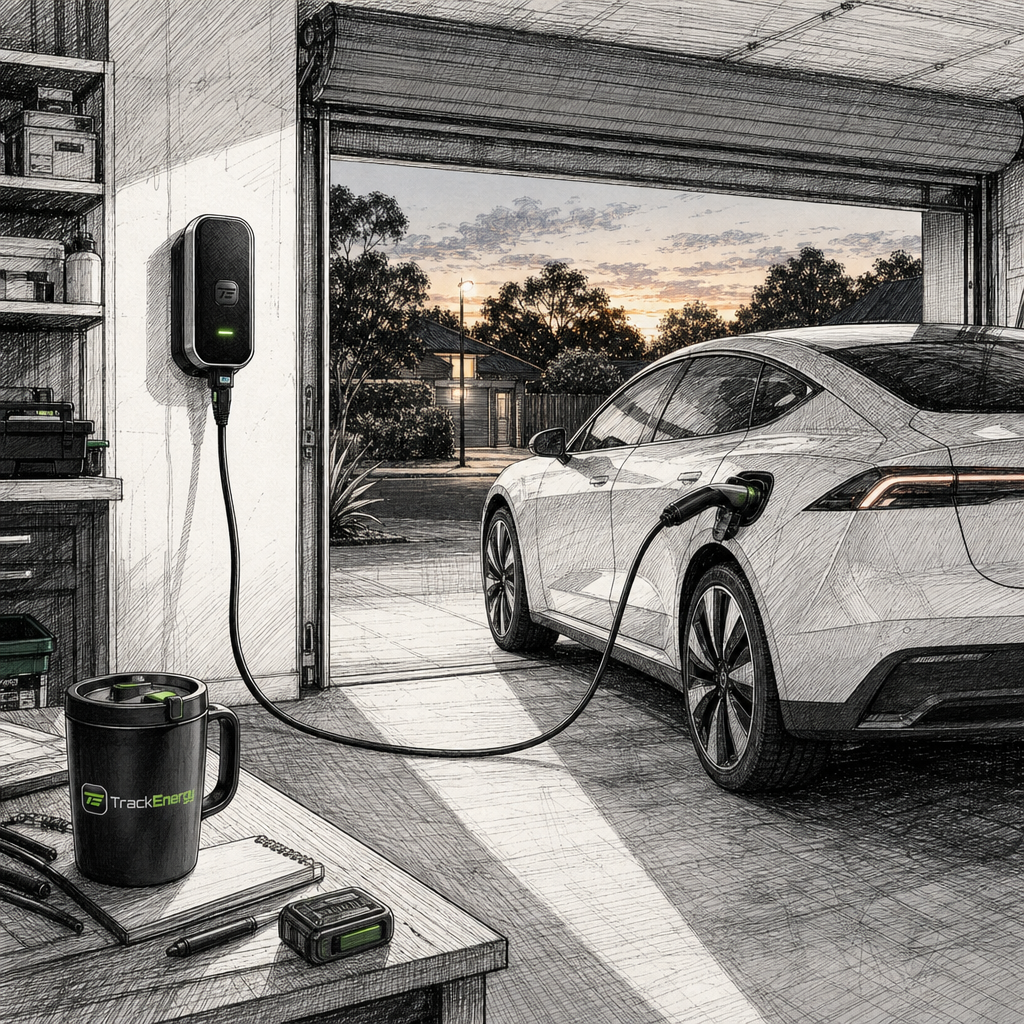
An EV at home represents one of the best opportunities to use surplus solar generation in summer. If your charger allows scheduling, set it to charge during your peak solar window rather than overnight. You are effectively filling your car from the sun at no additional cost beyond what your system is already producing.
If you do not yet have a dedicated home EV charger and you are relying on a standard power point, summer is a good time to look seriously at a proper charging setup. A smart charger integrated with your solar system can be configured to only draw power when solar generation is above household consumption, meaning your car gets the surplus automatically. It is one of the cleanest ways to get genuine value from an SA solar system.
Make Summer Work for You
South Australia is one of the best places in the country to run a solar system. Renewables supplied close to 80% of the state's electricity in 2025 according to APA Group, and rooftop solar has been a major part of that story. But a solar system that is not optimised is leaving value on the table every single day.
The tips above are all things you can act on right now. Shift your loads, pre cool your home, check your monitoring app, clean your panels and review your battery and EV charging settings. None of it requires a trade visit or a big spend. It is about using what you already have more intelligently.
If you want a fresh set of eyes on your system, whether to review performance, add battery storage, set up EV charging or design a new installation, we are here for that conversation. No pressure, just practical advice from people who have been doing this in SA since 2012.
Get a free solar quote from Track Energy. Visit trackenergy.com.au or call 0416 533 628