Every time a new technology gains momentum, the myths follow close behind. EV charging is no different. Over the past few years the questions coming through from South Australian homeowners and business owners have shifted from "should I get an EV?" to "how do I charge it properly at home?" and that shift is a good thing. But alongside the genuine curiosity, there are some firmly held beliefs floating around that are worth addressing head on. Some of these myths are costing people money. Others are stopping them from making a smart energy decision altogether. So let me walk through the ones I hear most often and give you the honest picture.
Myth 1. A Standard Powerpoint Is Fine for Charging an EV
This one comes up constantly and it is understandable. You plug your phone into a standard outlet, you plug your laptop in, so why not your car? The short answer is that a standard 10 amp household powerpoint is technically capable of charging an EV but it does so at a rate that most drivers will find frustrating in practice. You are looking at a charge speed that adds somewhere in the range of 10 to 15 kilometres of range per hour. If you drive a reasonable amount each day and come home with a depleted battery, an overnight top up via a standard outlet may simply not be enough by morning.
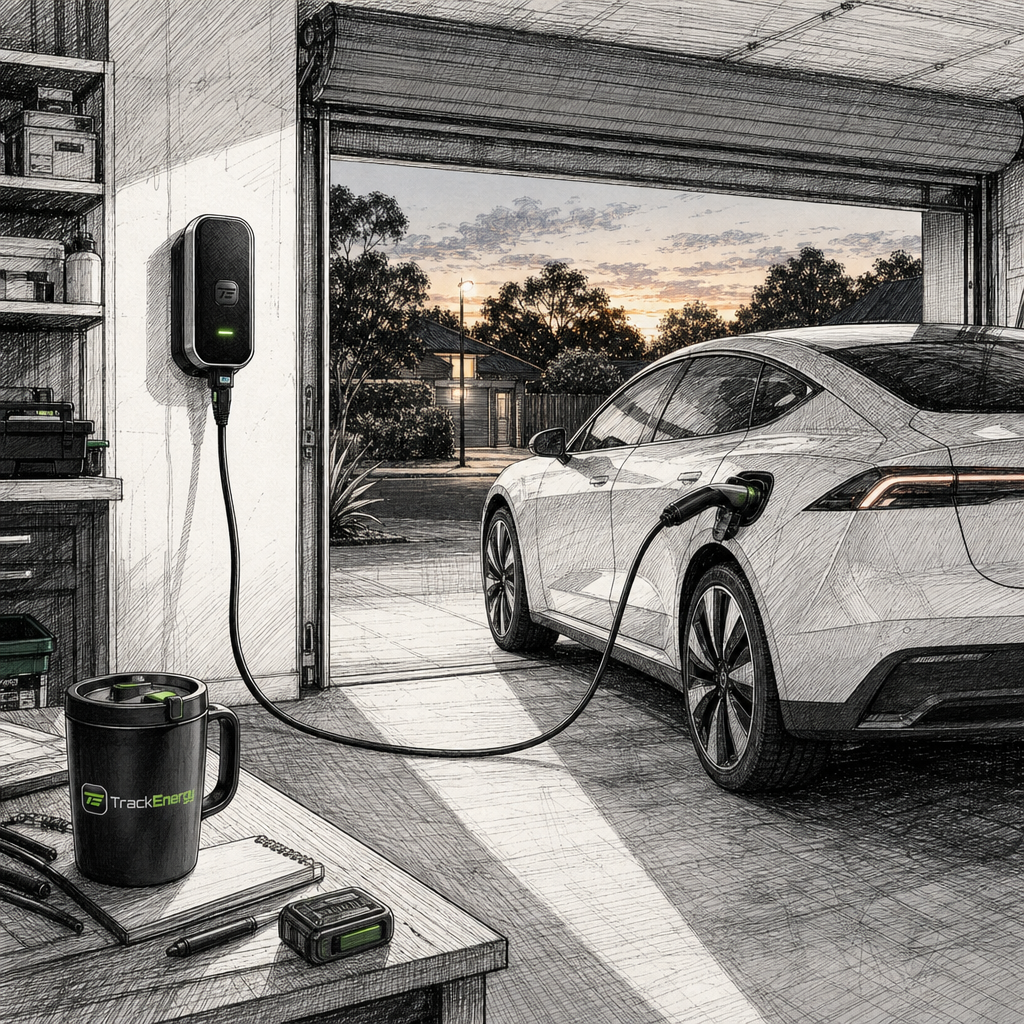
A purpose built EV charger, properly sized and installed by a licensed electrician, can deliver significantly faster charging speeds. For most South Australian households, a single phase 7kW unit is the practical sweet spot. Commercial settings or larger properties with three phase supply can go further than that. The other issue with standard powerpoints is that they are not designed for sustained high current loads over many hours. Running a heavy draw through a powerpoint that was never intended for it is not a habit worth building.
Getting the right charger installed properly is not an upsell. It is just the sensible way to set your household up to actually use the EV you have invested in.
Myth 2. Home EV Charging Will Send Your Power Bill Sky High
This one has a grain of truth wrapped in a misleading frame. Yes, charging an EV uses electricity, and yes, electricity costs money. But the jump to "your bill will be enormous" skips over the most important part of the picture, which is how and when you charge.
Most South Australian homeowners who come to us already have solar on the roof or are planning to add it. When you pair a home EV charger with a solar system, you can shift a significant portion of your charging to the middle of the day when your panels are generating. You are effectively filling your car with sunshine. The cost profile looks very different from someone charging on peak grid electricity at peak times.
Even without solar, off peak charging using a time of use tariff can keep the cost per kilometre well below what petrol costs. The comparison that matters is not "what does EV charging add to my bill" in isolation. It is "what does EV charging cost compared to what I was spending on fuel." Most people who make that comparison properly are pleasantly surprised.
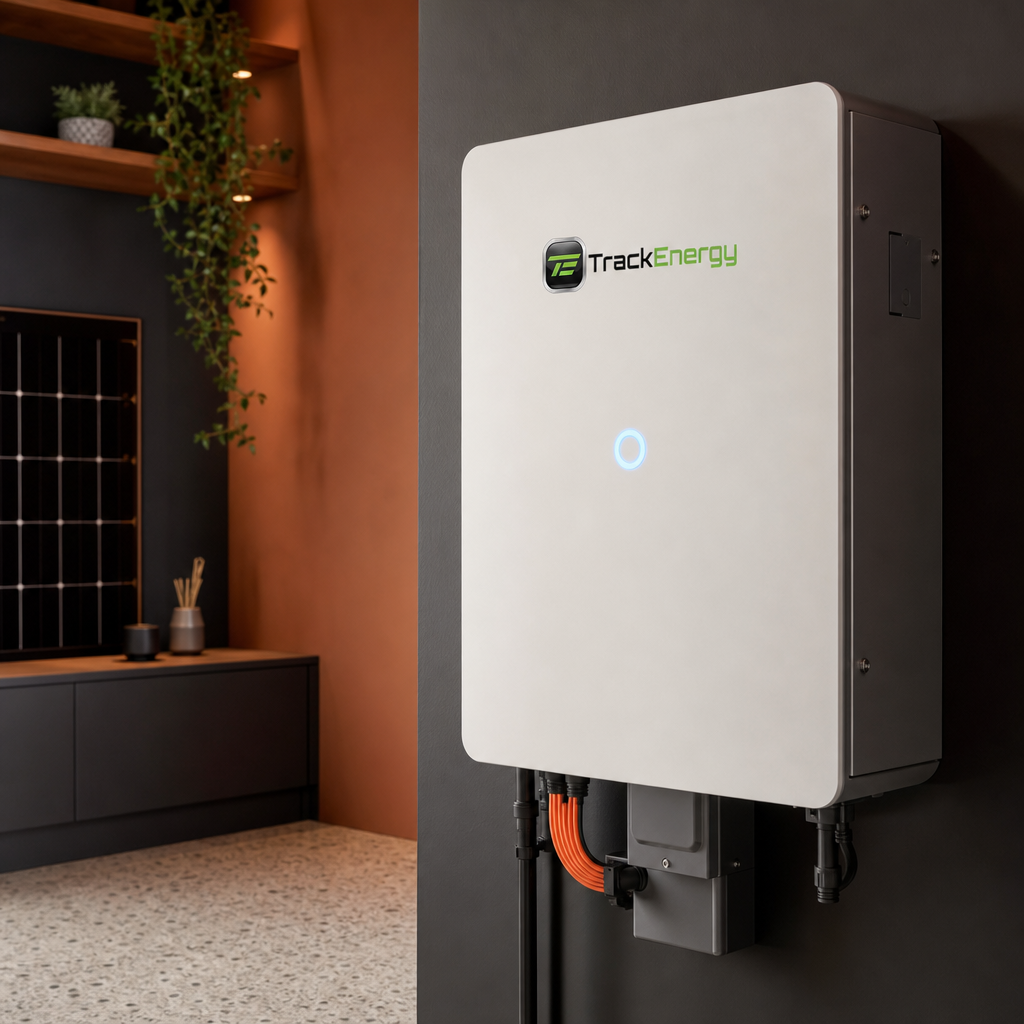
Adding a battery into the mix takes this further again. You can store the solar energy your panels generate during the day and use it to charge your car in the evening when you get home. That is a system that genuinely works together and it is exactly the kind of whole home energy setup we design for customers here in SA.
Myth 3. All EV Chargers Are Basically the Same
This is one of the myths that can lead to a quietly disappointing purchase. The EV charger market has expanded rapidly and the range of products available in Australia now varies enormously in terms of quality, safety certification, smart features, warranty support and compatibility with solar and battery systems.
A charger that appears identical on paper to a more reputable brand may not carry the same safety certifications, may not have reliable local warranty support, and may not communicate properly with your solar inverter or home energy management system. Smart EV chargers can be programmed to charge only when solar generation is high enough to cover the load, or to avoid peak grid pricing windows. A cheap unit with no smart features cannot do any of that.
The charger is also only part of the equation. The installation matters just as much. The cable run from your switchboard, the condition of your existing electrical infrastructure, whether your switchboard needs an upgrade, how the unit is mounted and protected from the elements, all of this affects long term performance. A quality product installed poorly is still a problem. A decent product installed properly by someone who understands how it fits into your broader solar and energy setup is what you are actually after.
Myth 4. Bidirectional Charging Is a Long Way Off in Australia
This one was true a few years ago. It is becoming less true quite quickly. Bidirectional charging, the ability for your EV to send energy back to your home (V2H) or to the grid (V2G), is an active and developing part of the Australian energy market right now. Australia's 2025 EVSE guideline states that chargers installed after 1 July 2024 must meet specified requirements that help pave the way for bidirectional capability. Industry bodies including the EV Council are actively pushing for V2G equipment to be included in existing EV incentive frameworks to bring down the cost of bidirectional charger installation.
What this means practically for someone making decisions today is worth thinking about. If you are installing an EV charger now, it is worth having a conversation about whether the equipment you choose and the installation setup leaves the door open for bidirectional functionality as the technology and regulations mature. Not everyone needs to act on this immediately but buying something that locks you out of it entirely may be a decision you revisit sooner than expected.
This is the kind of forward thinking that goes into a good system design consultation. It is not about loading you up with the most expensive option available. It is about making sure the decisions you make today do not create unnecessary headaches in three to five years.
Myth 5. You Can Sort Out the EV Charger Installation Yourself or Later
The DIY angle is a non starter for EV charger installation in South Australia. This is licensed electrical work, full stop. Beyond the legal requirement, the practical risks of getting it wrong are real. An improperly installed charger on a circuit that cannot safely handle sustained high loads is a fire risk over time. It is also the kind of thing that can void warranties, create insurance complications and cause problems when you go to sell the property.
The "I'll sort it out later" version of this myth is more subtle. People buy the EV, run it off a standard outlet for months telling themselves they will get a proper charger installed eventually, and then wonder why they are waking up to a car that is not as charged as they expected. Getting the charger installed as part of your broader energy setup from the start means everything works as it should from day one.
If you are also looking at solar or a battery at the same time, there are real advantages to doing it as a combined project. Your installer can design the system so that your solar, battery and EV charger all work together as a coherent whole rather than three separate things bolted on at different times by different people with no one looking at the big picture.
Getting the Full Picture Before You Commit
EV charging is a genuinely good investment for most South Australian households and businesses, particularly when it is part of a wider solar and storage setup. But like any worthwhile investment it deserves a considered approach, good equipment and a proper installation from someone who understands the local conditions, your electricity setup and how it all fits together.
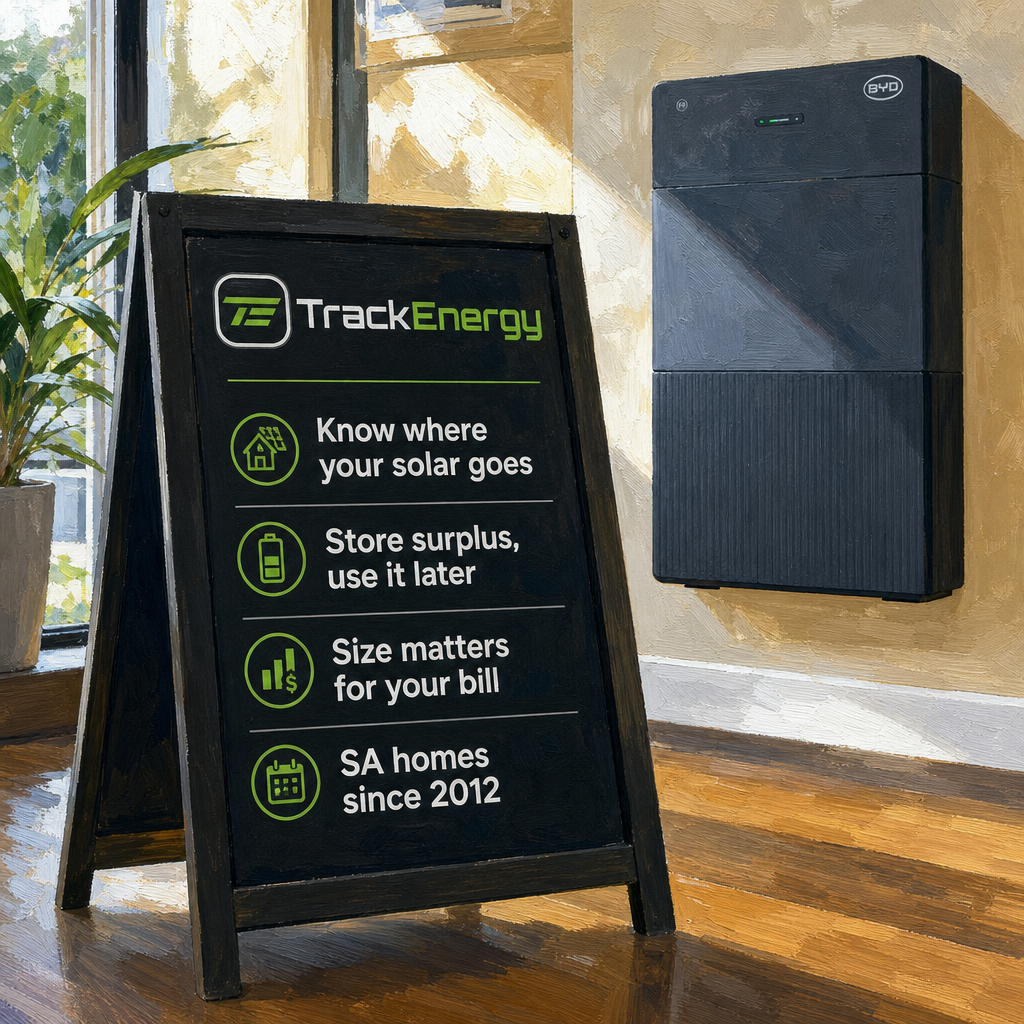
We have been doing this work across South Australia since 2012 and the questions I get from homeowners about EV charging today are better and sharper than ever. That tells me people are doing their research. I just want to make sure the answers they are finding are the right ones.
If you are weighing up an EV charger, either on its own or as part of a solar and battery system, get in touch and we will give you a straight answer on what actually makes sense for your home or business.
Get a free solar quote from Track Energy. Visit trackenergy.com.au or call 0416 533 628