There's a common belief that solar panels take a holiday in winter. I hear it regularly, and honestly, I understand why people think that way. Shorter days, more cloud cover, and a sun that sits lower in the sky it's easy to assume your system is barely ticking along. But here's the thing: a well designed, properly maintained solar system can still do a lot of heavy lifting for you in winter. The key is knowing how to work with the season rather than against it. So let me walk you through some practical things you can do right now to get the most out of your solar in these cooler months.
Understand What Winter Actually Does to Solar Output
First, a bit of honest context. Yes, your solar system will generally produce less energy in winter than it does in the peak of an Adelaide summer. That's simply physics. The days are shorter, the sun rises later and sets earlier, and the sun's angle means panels receive less direct irradiance per square metre throughout the day.
But here's what often surprises people: solar panels actually perform more efficiently in cooler temperatures. Solar cells are semiconductor devices, and like most electronics, they operate more effectively when they're not overheating. On a scorching 40 degree Adelaide summer day, panel output can actually dip due to heat related losses. A crisp 15 degree winter day with clear skies? Your panels can be quite happy.
Adelaide also benefits from a reasonable number of clear winter days compared to many other parts of Australia. It's not the tropics, but it's far from a write off either. Managing your expectations while making smart choices about when and how you use energy is what makes the real difference.
Keep Your Panels Clean Especially Now
Winter brings with it dust, pollen, leaf litter, and the occasional bird that seems to have no regard for your rooftop investment. Dirty panels can reduce output noticeably, and in winter when every bit of sunlight counts, a layer of grime on the glass is the last thing you want.
The most common situation we see is panels that haven't been cleaned since installation. Flat or low pitch roofs are particularly prone to debris buildup because there's no steep angle to help rain wash things away naturally. If your panels have a shallower tilt, a professional clean before or during winter is genuinely worthwhile.
Please don't attempt to clean panels yourself by climbing on the roof. Aside from the safety risk, improper cleaning techniques can scratch the glass surface and cause long term performance issues. A professional solar panel clean is straightforward and affordable worth every cent when you consider what you're protecting.
Shift Your Energy Use to the Middle of the Day
This is one of the single most effective things a solar household can do in winter, and it costs nothing to implement. In winter, your system's peak production window narrows. Instead of generating from early morning to late evening, the sweet spot is typically a few hours either side of solar noon roughly 11am to 2pm in Adelaide's winter.
If you can shift high energy tasks into that window, you're directly offsetting what you'd otherwise pull from the grid. Think about running your dishwasher, washing machine, and clothes dryer during those hours. Preheating your home with a reverse cycle air conditioner around midday rather than cranking it in the evening is another smart move. The idea is simple: use energy when your solar system is producing it, not when the sun has already gone down.
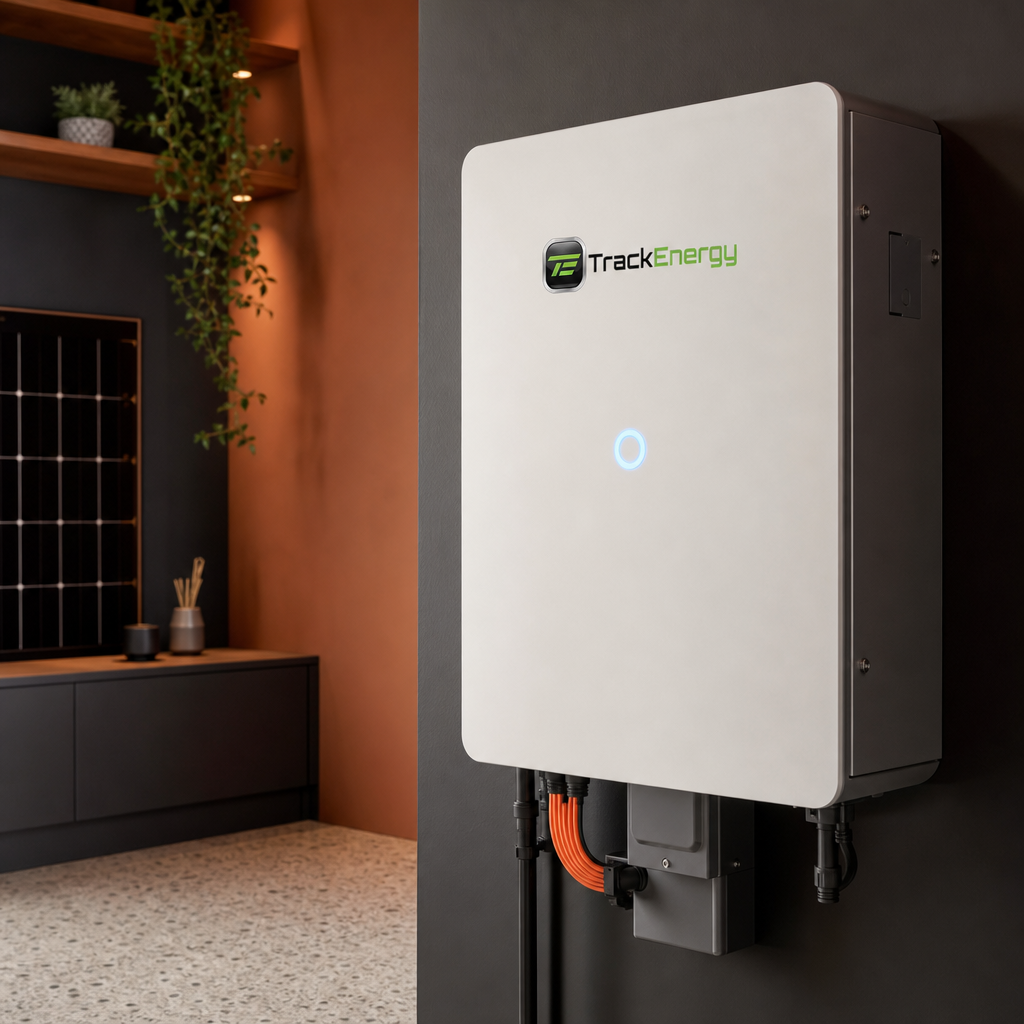
For households with a solar battery, this becomes even more flexible. You can store that midday generation and use it in the evening when grid electricity rates are typically higher. If you've been thinking about adding a battery to your existing system, winter is actually a good time to have that conversation understanding your seasonal patterns helps us size a battery correctly for your home.
Check That Your Inverter Is Performing as Expected
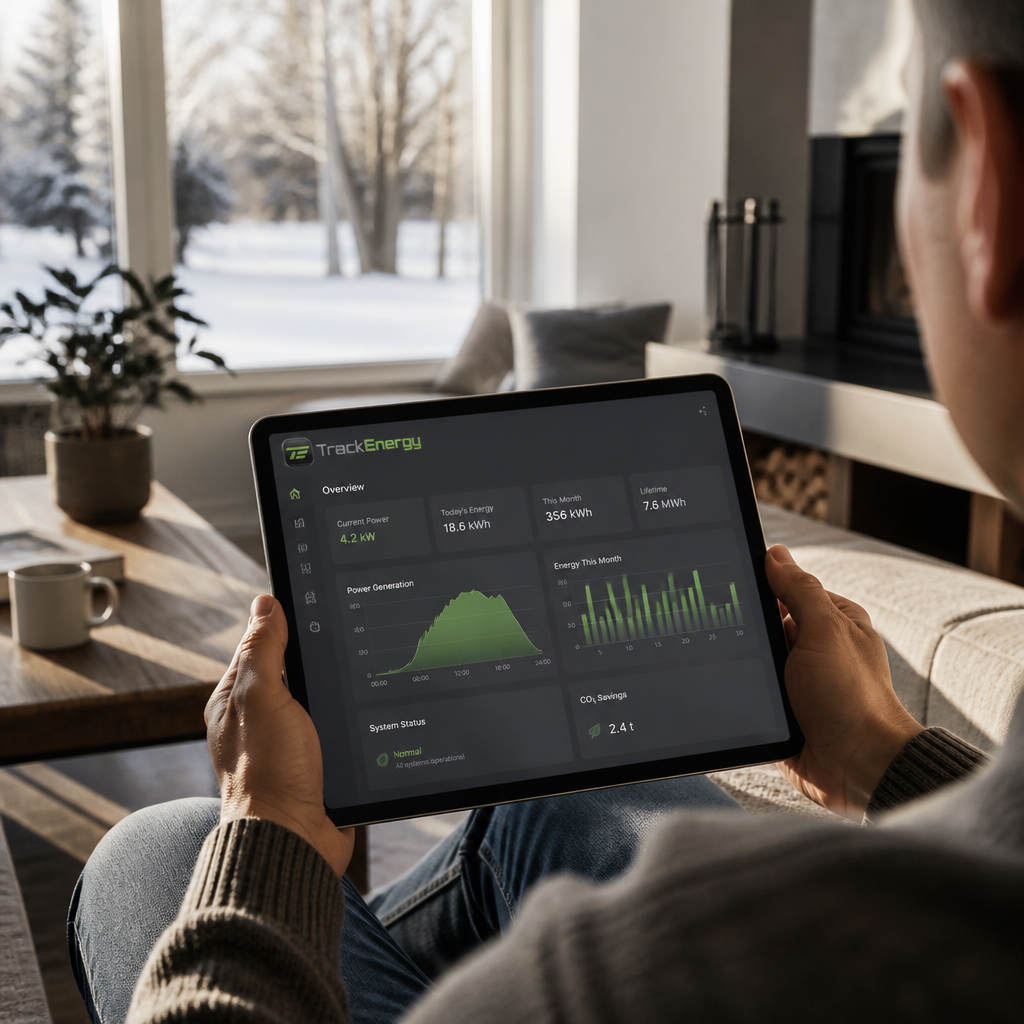
Your inverter is the brain of your solar system. It converts the DC electricity your panels produce into the AC electricity your home uses. Most modern inverters have a monitoring app or web portal that shows you real time and historical production data. If you're not already checking it, now is a great time to start.
What you're looking for is consistency. You won't see the same numbers as summer, but you should see your system producing on clear days and responding predictably to weather. If you notice your system isn't producing anything on a sunny day, or the numbers seem dramatically lower than what you'd expect, that's worth investigating.
Inverter faults, shading issues from trees that have grown, or a tripped isolator switch are some of the more common reasons a system underperforms. The most common situation we come across is a homeowner who hasn't looked at their monitoring data in months and has no idea their system has had an issue for a while. A few minutes checking your app each week during winter pays off.
If something doesn't look right, get in touch with your installer rather than guessing. That's what we're here for.
Think About Whether a Battery Makes Sense for You
Winter is the season that really highlights the gap between when solar produces energy and when households actually use it. Most Adelaide families are at work or school during the peak production hours, and energy use spikes in the evening when the sun is long gone.
A solar battery bridges that gap. It stores the energy your panels produce during the day and makes it available in the evening and overnight. In winter, when grid electricity tends to be in higher demand across South Australia, having your own stored energy to draw on gives you a genuine buffer against peak pricing.
Battery technology has matured considerably, and the systems available today are reliable, compact, and much more accessible than they were even a few years ago. Whether a battery is the right fit depends on your household's consumption patterns, your existing system size, and your goals around energy independence. It's not a one size fits all answer, which is why a proper assessment matters.
If you've had your solar system for a few years and you're still feeling the pinch on your evening and overnight usage, it's worth having a chat about your options.
Winter doesn't have to be the season you dread on your electricity bill. With a bit of awareness around how your system works, some simple habit shifts, and making sure everything is clean and functioning well, you can keep your energy costs well under control. If you'd like a hand checking your system's performance or you're ready to explore adding battery storage, we're always happy to have a no pressure conversation.
Get a free solar quote from Track Energy. Visit trackenergy.com.au or call 0416 533 628