Australia is in the middle of a genuine energy storage moment. According to a recent report from Utility Dive, Australia now has 990 watts of solar per person, the highest rate of rooftop solar adoption anywhere in the world, with around 40% of houses carrying panels on the roof. South Australia has been at the sharp end of that wave for years. And now the conversation has shifted from "should I get solar?" to "should I add a battery?"
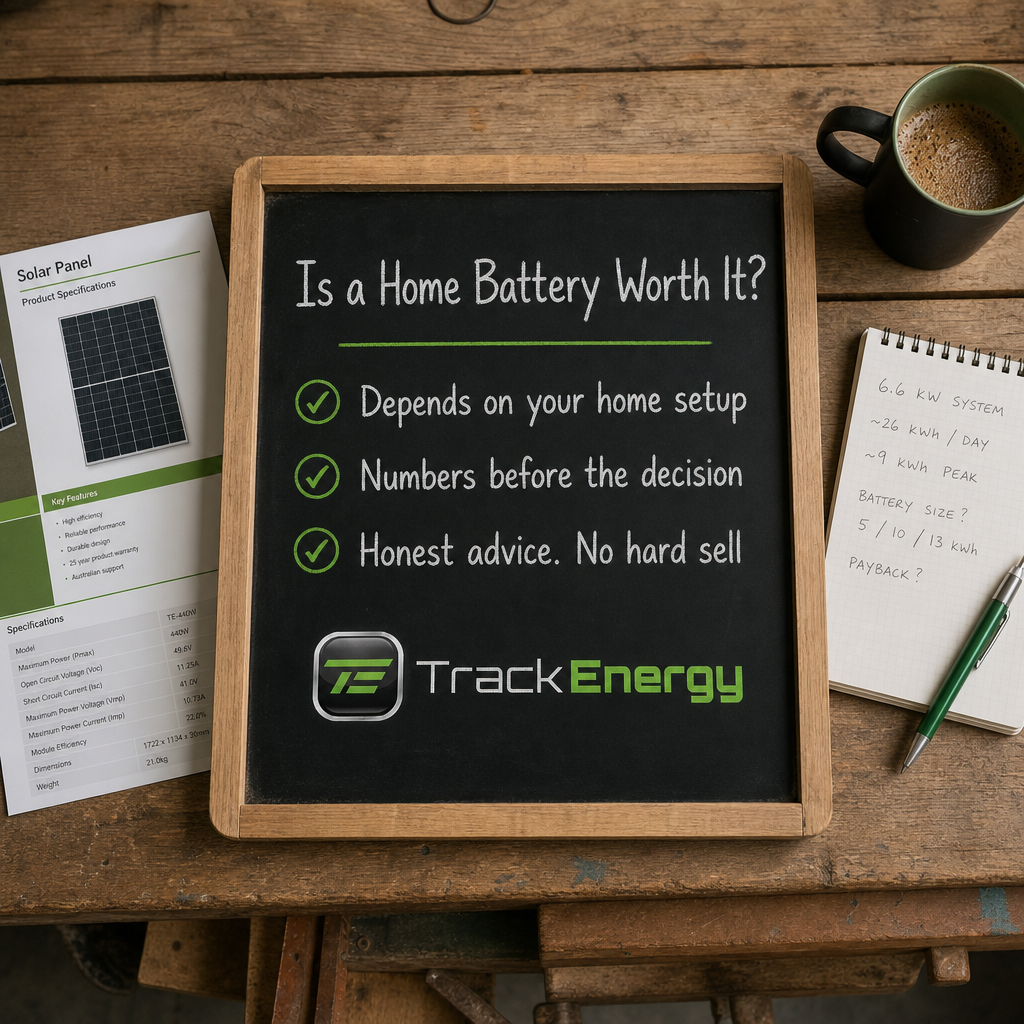
It is a question I get asked constantly, and honestly it is a good one. The answer is not always a straight yes, and I would rather give you a clear picture than a sales pitch. So here is what I actually tell people when they ask me whether a home battery is worth it.
What a Home Battery Actually Does
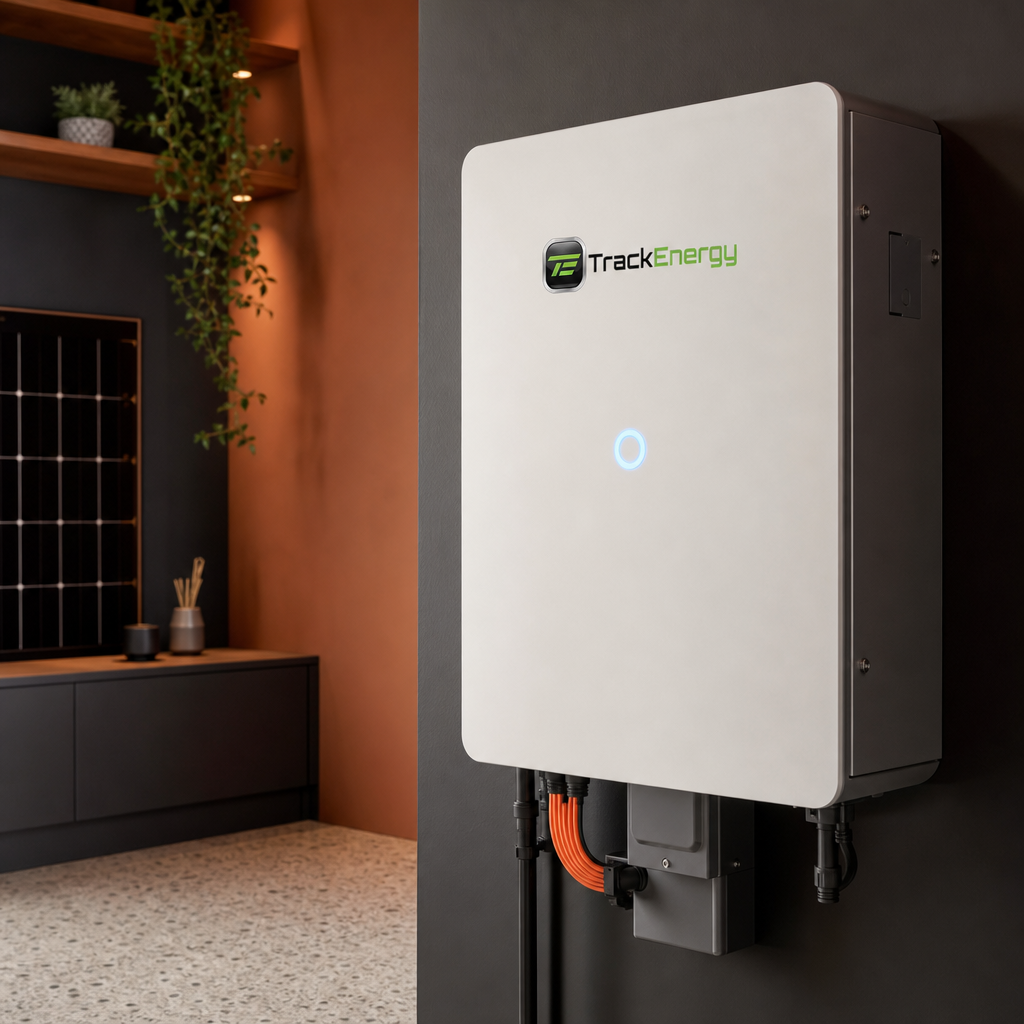
A battery storage system stores the excess solar energy your panels generate during the day so you can use it later, typically in the evening when your solar is no longer producing but your household demand is at its peak. Without a battery, that excess energy gets exported to the grid, usually at a feed in tariff rate that has dropped significantly over recent years in South Australia.
With a battery, you are essentially shifting your own cheap solar energy to when you actually need it. You buy less electricity from the grid at peak rates, and you become less exposed to the kind of price spikes that South Australian households know all too well. As the Federal Energy Minister has noted publicly, big batteries store cheap renewable energy generated during the day so it can be used at night when demand is high. The same logic applies at a household level.
A good battery system also gives you a layer of resilience. Many of the systems we install at Track Energy can keep essential circuits running during a grid outage, depending on the configuration. That is something a lot of households in the Adelaide Hills particularly value, and I understand why having lived out here myself for years.
When a Battery Makes the Most Sense
Not every solar home is an ideal candidate for battery storage right now, and I think it is important to be upfront about that. The most common situation where a battery delivers strong value looks something like this.
- You already have a solar system that is regularly exporting energy to the grid
- Your household uses a significant amount of electricity in the evenings, after solar production has wound down
- You are on a time of use electricity tariff where peak rates are noticeably higher than off peak rates
- You are interested in backup power as well as bill savings
- You are adding solar for the first time and want to design the whole system properly from day one
If your home uses very little power overall, or your usage is almost entirely during daylight hours, the case for a battery is less compelling in the short term. That does not mean it is the wrong choice, it just means the numbers need to be looked at honestly before you commit.
The most common pattern we see with homeowners who are unsure is that they are exporting a large chunk of their solar production each day at a low feed in rate, then buying power back at full retail rates each evening. That gap is exactly where a battery earns its keep.
The South Australian Context Matters
South Australia has a unique energy environment, and it genuinely changes the battery conversation. Our grid has one of the highest proportions of renewable energy of any state in Australia, which is something to be proud of. But that also means we regularly experience periods where solar supply exceeds grid demand, which can affect how the network manages rooftop exports and put downward pressure on feed in tariffs.
Retailers and network operators in South Australia have been progressively tightening feed in tariff rates and in some cases placing limits on how much energy can be exported at certain times of day. That is not necessarily bad news for battery owners. In fact it strengthens the case for keeping your solar energy at home rather than exporting it for a declining return.
Understanding how South Australian network rules, tariff structures and Virtual Power Plant programs interact with your specific system and usage profile is something that takes real local knowledge. This is not the kind of thing a national call centre is well placed to guide you through. It is exactly the kind of thing we spend time on with every customer before we recommend anything.
What to Ask Before You Commit to a Battery
If you are seriously considering battery storage, here are the questions worth working through before you sign anything.
- What is my current daily solar export volume and what feed in rate am I receiving for it?
- How much of my electricity usage happens outside of solar production hours?
- What is my electricity retailer's peak rate compared to their off peak or solar sponge rate?
- Do I want backup power capability, and if so, which circuits are the priority?
- Is my current solar inverter compatible with battery storage, or would I need an upgrade?
- Are there any Virtual Power Plant programs available that could improve the return on the battery investment?
That last point is worth pausing on. Some battery programs allow your battery to participate in grid services, which can provide an additional benefit on top of your own energy savings. Eligibility and availability varies, so it is worth understanding the options specific to your situation.
The inverter compatibility question is one that catches a lot of people out. If your solar system is more than a few years old, the inverter may not be compatible with modern battery systems, which can change the economics of a retrofit installation compared to a new integrated system. We always check this before we quote anything.
How Track Energy Approaches Battery Recommendations
We have completed more than 2,000 installations across South Australia since we started, and I have been working in this industry since 2009. That experience has taught me one thing more than anything else. A battery that is sized and configured correctly for a specific home will always outperform a generic system sold on price alone.
When we assess a home for battery storage, we look at actual usage data where it is available, the existing solar system performance, the household's tariff structure and whether the priority is bill savings, backup power, or both. There is no single right answer for every home, and the right system for a family in Norwood looks different to the right system for a property in the Adelaide Hills or a business in the northern suburbs.
We are also honest when the numbers do not stack up yet. If your situation means a battery would take longer than you are comfortable with to deliver value, I would rather tell you that upfront and have you come back when the time is right than oversell a system that leaves you disappointed. That is just how we prefer to operate.
If you have been wondering whether a battery is the next right step for your home or business, the best starting point is a proper conversation about your actual usage, your system and your goals. Not a brochure, not a pressure call. Just honest advice.
Get a free solar quote from Track Energy. Visit trackenergy.com.au or call 0416 533 628