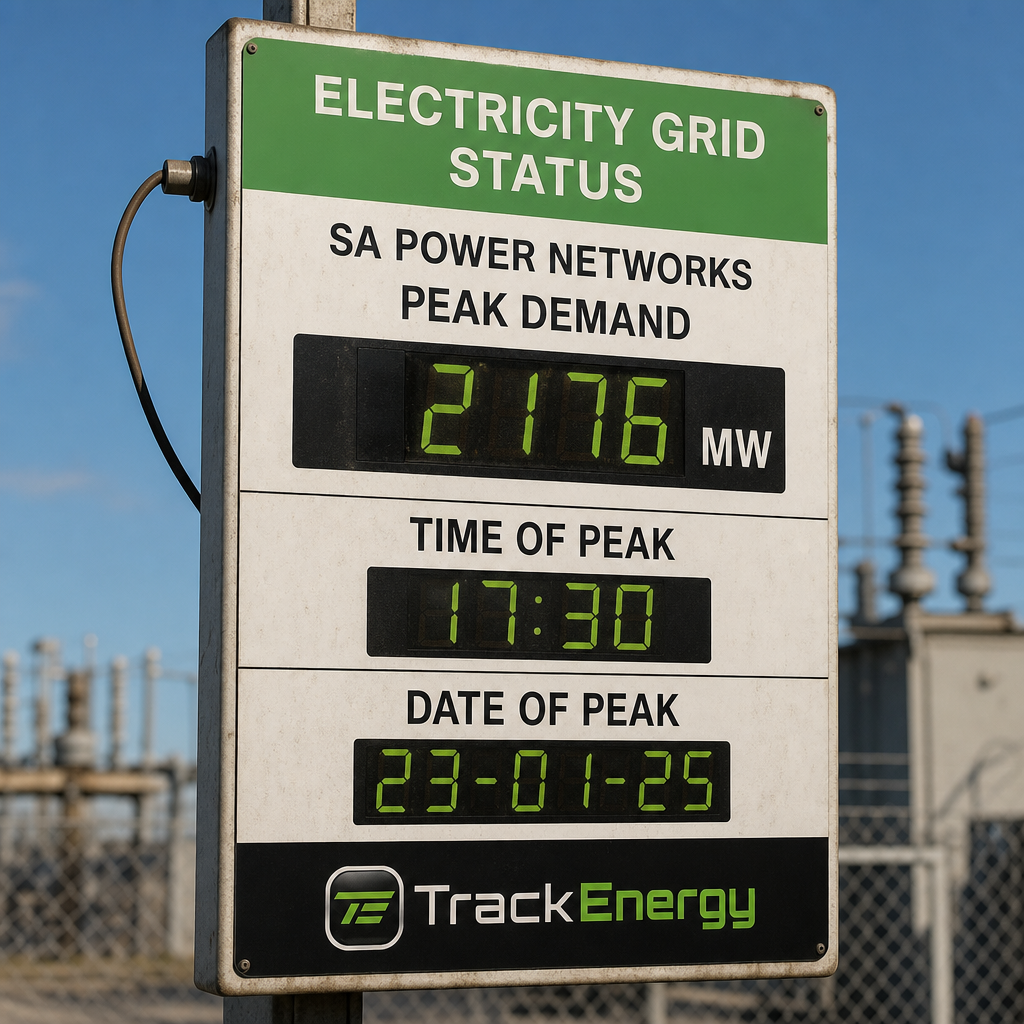
Something remarkable happened at 1.30pm on 31 August 2026. According to the Australian Energy Market Operator (AEMO), rooftop solar met 99.9% of South Australia's total electricity demand at that moment. You can read the original report over at now.solar. That is not a typo. One state, powered almost entirely by panels sitting on rooftops. As someone who has been working in the South Australian solar industry since 2009, I want to be honest with you. I did not see this coming quite so soon. It is a genuinely significant moment, and I think it deserves more than a headline. Let me unpack what it actually means for you as a homeowner or business owner here in SA.
What the 99.9% Figure Actually Tells Us
First, a bit of honest context. The 99.9% figure is a snapshot, not an average. It represents a single point in time, on a clear late winter Sunday afternoon, when demand was relatively low and solar generation was near its peak. It does not mean South Australia runs on rooftop solar all day every day. Grid power, large scale generation and battery storage all still play their roles across the full 24 hours.
But here is the thing. Snapshots matter. This milestone tells us something important about the collective power of distributed rooftop solar in this state. When tens of thousands of individual households and businesses all generate at the same time, the combined output is enormous. South Australia has consistently led Australia in rooftop solar uptake per capita, and this number is the clearest proof yet of what that looks like in practice.
It also tells us something about where the grid is heading. As more homes and businesses add solar, battery storage, and smart energy management, these peak generation moments will become more frequent and more impactful. The grid itself is changing, and rooftop solar is driving that change from the bottom up.
What This Means If You Already Have Solar
If you already have a solar system on your roof, congratulations. You were part of that 99.9% moment. Your panels were doing exactly what they were designed to do.
But there is a practical consideration worth thinking about. As more solar floods the grid during peak sunlight hours, particularly in the middle of the day, the value of simply exporting surplus power back to the grid is shifting. Feed in tariff rates in South Australia have generally trended downward over recent years as midday solar export becomes increasingly common. That is the natural market response to abundant supply at a particular time of day.
What this means for you is simple. The smartest move is to use as much of your own solar as possible, right when it is being generated, or to store it for use later. Running appliances during the day, shifting loads like dishwashers and washing machines to solar hours, and seriously considering battery storage are all responses that make real financial sense in the current environment. The goal is to stop donating cheap midday power to the grid and start keeping it for yourself.
Battery Storage Is No Longer a Luxury Consideration
The 99.9% milestone is also a strong signal about battery storage. When solar is generating at near full capacity across the state, the grid can become oversupplied. That is actually one of the reasons why battery storage has gone from a nice to have to a genuinely practical decision for many SA households and businesses.
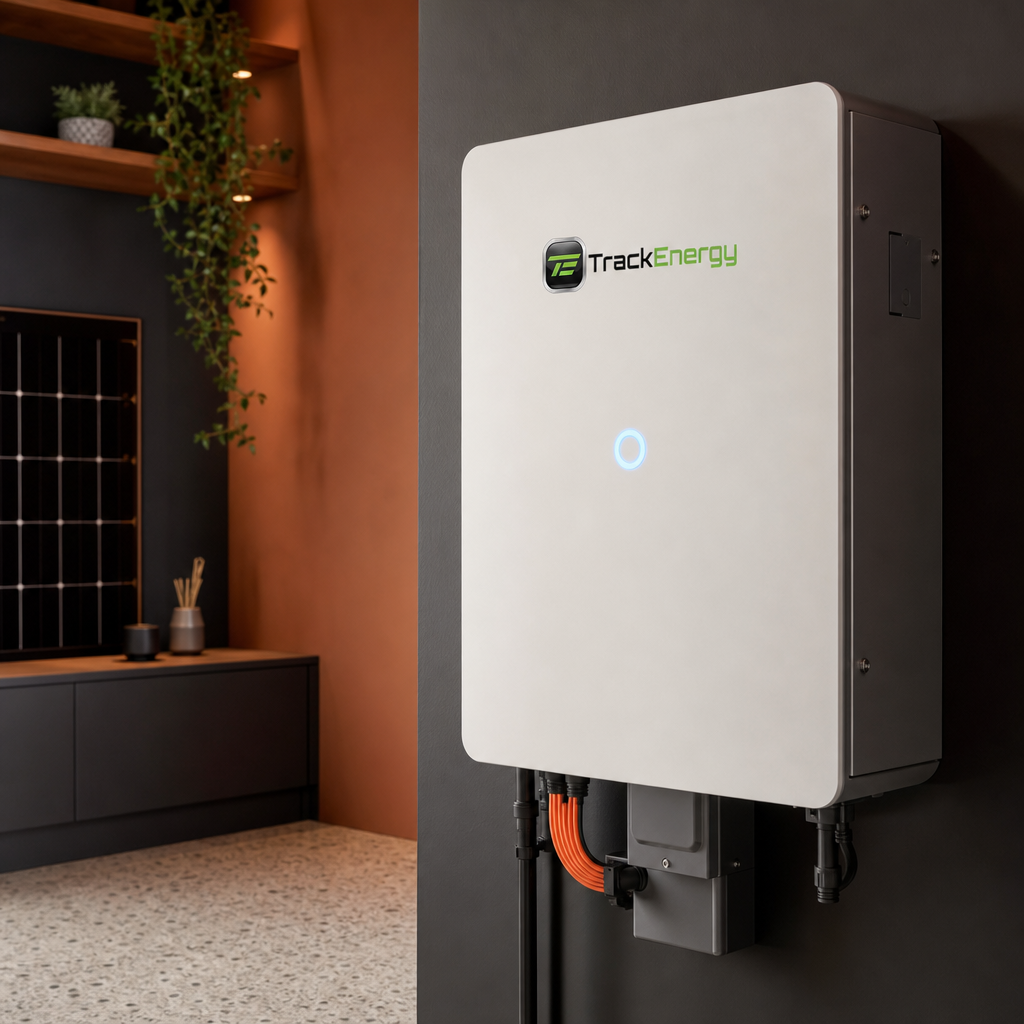
A home battery lets you capture that midday solar generation and use it in the evening when the sun is down and grid electricity prices are typically higher. Rather than exporting power at a low feed in rate and then buying it back at a much higher rate after dark, you store it yourself and use it on your own terms.
Australia's federal home battery subsidy programme, which offers eligible households meaningful support toward the cost of a battery system, has further strengthened the case. Eligibility conditions apply, so it is always worth confirming your specific situation before factoring any subsidy into your planning. However, for many SA homeowners, the combination of quality solar generation, falling battery costs and available support has made battery storage a serious conversation rather than a future aspiration.
If you had a solar system installed a few years ago and have not yet considered adding storage, now is a good time to look at the numbers with someone who knows the SA market properly.
What About SA Businesses?
This milestone is just as relevant for commercial property owners and businesses as it is for households. In fact, for businesses that operate during daylight hours, the opportunity to offset energy costs through well sized commercial solar is as strong as it has ever been.
A business consuming meaningful power during the day, whether that is a warehouse, a retail operation, a farm or a professional services office, is in a strong position to use solar generation directly as it happens. That direct self consumption is where the real value sits, and it largely insulates you from the shifts in feed in tariff rates I mentioned earlier.
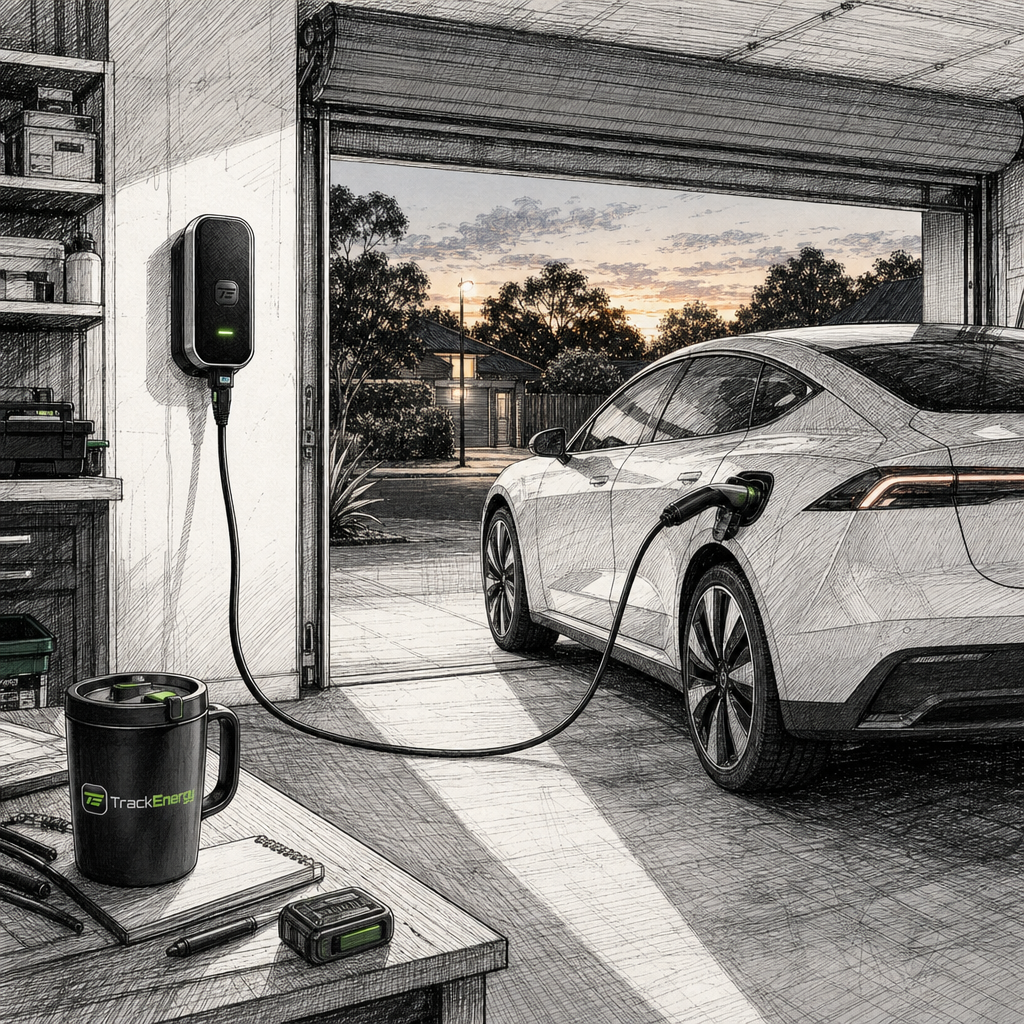
Add an EV charger into the equation and you have another excellent use for surplus daytime solar, charging your business fleet or staff vehicles from your own roof rather than from the grid. It is a practical, visible way to put your solar to work during business hours.
The 99.9% figure is a reminder that the businesses participating in SA's solar economy are not on the fringe anymore. They are part of the mainstream, and the ones who sized their systems well and designed them with self consumption in mind are seeing the strongest results.
What South Australia's Solar Leadership Means Going Forward
South Australia's energy story has not always been easy. We have navigated significant grid challenges over the years, and that has at times made energy a stressful topic for households and businesses alike. But what the 99.9% figure demonstrates is that distributed rooftop solar, paired with evolving battery technology and smarter grid management, is genuinely reshaping what is possible.
We are in a period right now where the decisions you make about your home or business energy setup will have real long term consequences. Systems installed with quality components and proper design tend to perform reliably for 20 or more years. Decisions made in haste, based on the cheapest quote rather than the best outcome, tend to cost more over time.
From where I sit, having completed more than 2,000 installations across South Australia since 2012, the conversation with most homeowners and businesses is the same. It is not really about the equipment. It is about understanding your energy use, designing a system that actually fits your situation, and making sure the installation is done properly so it performs the way it should, year after year.
South Australia's rooftop solar milestone is worth celebrating. It is also worth turning into action. If you have been sitting on the fence about solar, storage or EV charging, let this be the nudge that gets the conversation started.
Get a free solar quote from Track Energy. Visit trackenergy.com.au or call 0416 533 628