There is nothing quite like a blackout to make you wish you had a battery. One moment the lights are on, the fridge is humming, and life is ticking along. The next, everything stops. For a lot of homeowners in the Adelaide Hills, that is not just an occasional inconvenience. It is a real and recurring frustration that shapes how they think about their energy setup.
Solar battery storage is the part of a solar system that turns good into great. It is what takes your panels from being a daytime power source and makes them work for you around the clock. If you have been wondering whether adding a battery to your home makes sense, this is worth a read.
Why Battery Storage Matters More in the Adelaide Hills
Adelaide Hills homeowners face a slightly different energy reality than those closer to the city centre. The grid out here can be more susceptible to outages, particularly during severe weather events. When strong winds roll through or a storm takes down a line, some parts of the Hills can be without power for hours or, in some cases, longer.
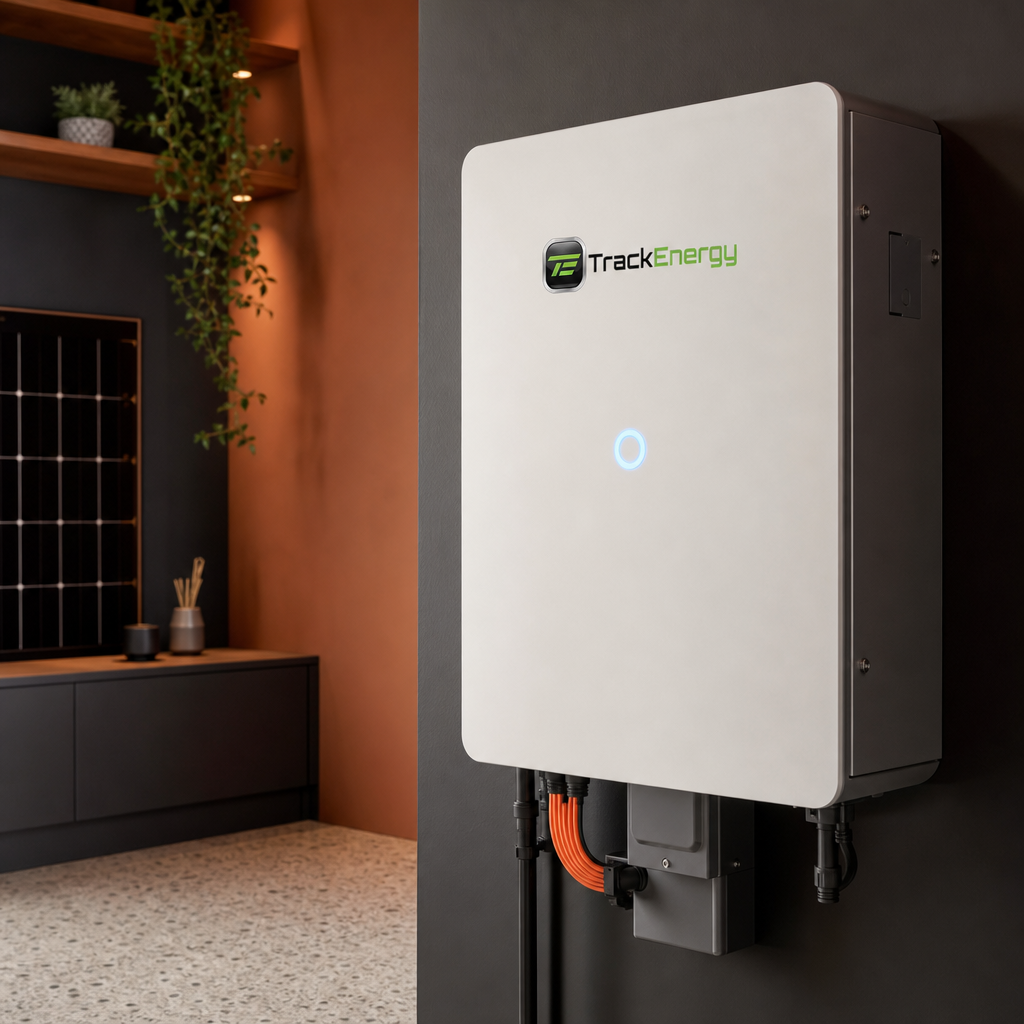
A solar battery system stores the energy your panels generate during the day. That stored energy can then be drawn on at night, during high demand periods, or when the grid goes down entirely. For households that want genuine energy independence, battery storage is the piece that completes the picture.
It is also worth pointing out that even on a calm, grid stable day, a battery makes financial sense. South Australian electricity prices are among the highest in the country, and much of that cost is concentrated in the evening peak periods when your panels are no longer producing. A battery bridges that gap. Instead of buying expensive grid power at peak rates, you draw from what your panels stored earlier in the day.
How a Battery System Actually Works
The concept is simpler than most people expect. Your solar panels generate electricity during daylight hours. Whatever your household does not use in real time goes into the battery rather than being exported to the grid. Come evening, when the panels stop producing, your home draws power from the battery first. Only when the battery is depleted does the grid kick in.
A good battery management system will also handle things like prioritising battery charging, managing grid export settings, and in some cases, optimising around time of use tariffs so your household is drawing from the lowest cost source at any given time.
The technology has matured a lot over the past several years. Modern battery systems are compact, reliable, and designed to integrate neatly with most residential solar setups, whether you are adding storage to an existing system or starting from scratch with solar and battery together.
Not Every Home Needs the Same Battery
This is something we feel strongly about at Track Energy. Battery storage is not a one size fits all product. The right system for your home depends on a range of factors including how much power your household uses, when you use it, how large your existing solar system is, whether you want whole home backup or just essential circuits covered, and how much weight you put on grid independence versus bill reduction.
A large family running high energy appliances through the evening has different needs to a retired couple who are mostly home during the day. A household in an area with frequent outages has different priorities to one that just wants to reduce what it pays for power. Getting this right at the design stage matters, because a battery that is undersized for your usage habits will not deliver what you hoped for, and one that is oversized for your situation is money that did not need to be spent.
When we design a battery system for a home, we look at actual energy consumption patterns, the existing or planned solar array, and what the homeowner is genuinely trying to achieve. Then we size accordingly.
Adding Battery to an Existing Solar System
If you already have solar panels installed and you are thinking about adding battery storage, the good news is that in most cases it is very achievable. The main things we look at are whether your existing inverter is battery ready, the age and condition of your current system, and your daily energy profile.
Some older systems will need a hybrid inverter fitted to support a battery. Others are already compatible and the battery can be added without major changes to the existing setup. Either way, we assess what you have, explain what is involved, and give you an honest picture of what the upgrade will deliver before any work begins.
There is no pressure to add a battery just because it is an option. If your usage patterns mean a battery would not pay its way, we will say that. But for most Adelaide Hills homeowners with an existing solar system, the numbers and the lifestyle benefits tend to stack up well.
What to Look for in a Battery Installer
The battery storage market has grown fast, and not every installer approaches it with the same level of care. A few things worth considering when you are doing your research:
- Does the installer take time to understand your actual energy usage before recommending a system, or do they lead with a product and work backward?
- Are they familiar with South Australian grid conditions and the local network requirements?
- Do they handle both the design and the installation, or are they a sales business that passes the work to a subcontractor?
- What does their after sales support look like if something does not perform as expected?
These are fair questions to ask anyone you are considering, including us. We have been doing this work in South Australia since 2009, which means we have seen a lot of systems perform over time, and we have a clear picture of what holds up and what does not in local conditions.
Is Now a Good Time to Look at Battery Storage
Battery technology and pricing have both improved significantly over recent years, making storage more accessible than it has ever been. South Australian electricity costs continue to rise, which means the case for reducing reliance on the grid gets stronger over time, not weaker.
If you are already generating solar power but sending most of it back to the grid at a low feed in rate and then buying it back at a high peak rate, a battery is worth a serious look. If you are in the Hills and grid reliability is a factor in your household, a battery is worth a serious look. If you are starting fresh and want to set your home up properly from the beginning, combining solar and battery from the outset is often the most cost effective approach.
There is no single right answer. It depends on your home, your usage, and what matters most to you. But that is exactly the kind of conversation we are happy to have.
We are based in South Australia and we have been designing and installing solar and battery systems here for over fifteen years. We know the local grid, the local conditions, and what actually works for Adelaide Hills homes. If you are thinking about battery storage and want to talk it through without any pressure, give us a call. We are here to help you make a good decision for your home, whatever that looks like.
Get a free solar quote from Track Energy. Visit trackenergy.com.au or call 0416 533 628