Your solar panels are doing their job. Generating clean energy from the moment the sun hits the roof. The problem is, most of that energy gets produced between 10am and 3pm, and that is not when most households actually need it. You are at work, the kids are at school, the house is quiet. Then evening comes, everyone is home, the oven is on, the TV is running, the hot water system kicks in, and suddenly you are drawing from the grid at peak tariff rates. That is the gap battery storage is designed to close.
What Solar Battery Storage Actually Does
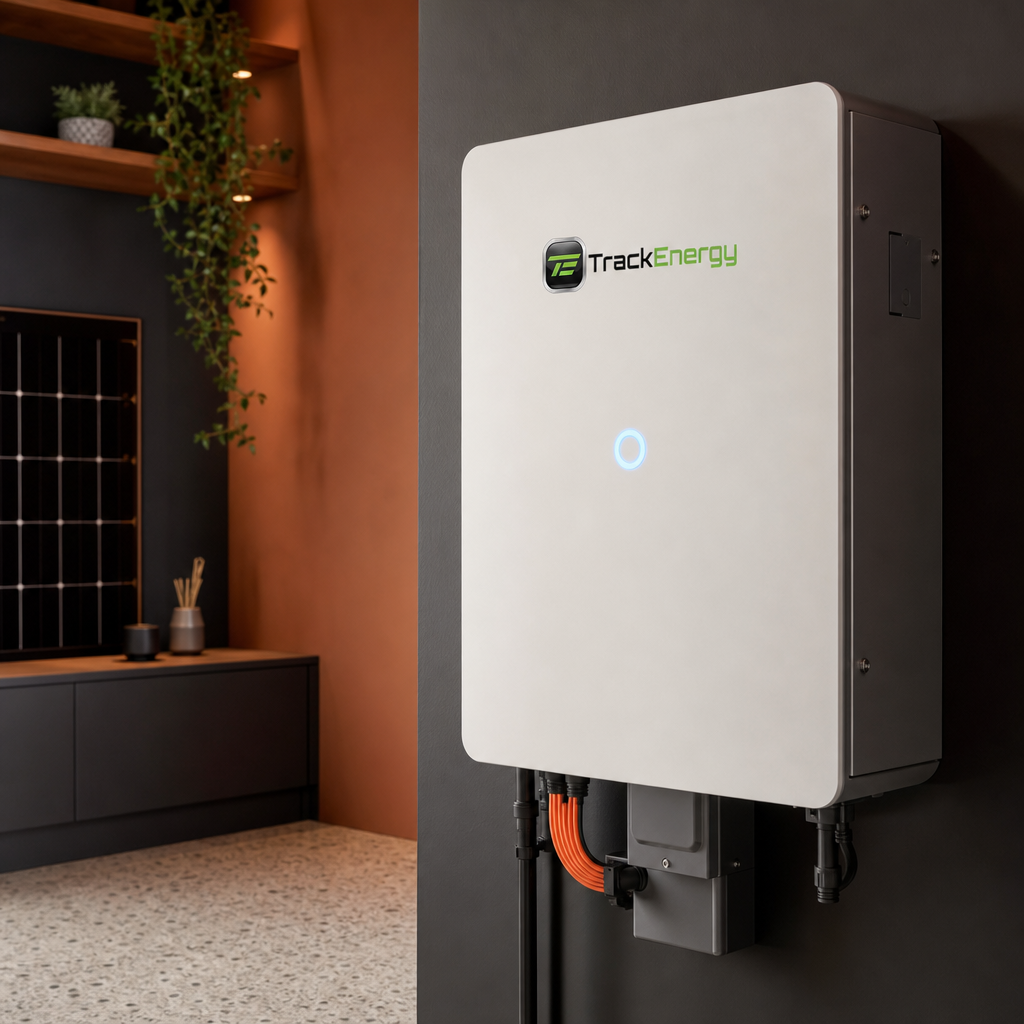
A solar battery storage system captures the excess energy your panels generate during the day and holds it ready for when you need it. Instead of that surplus electricity getting exported to the grid for a modest feed in tariff, it gets stored on site and used by your household when your panels are no longer producing.
In practical terms, that means your solar investment goes further. You are using more of the energy you generate yourself, and relying less on the grid during the hours when electricity prices are at their highest. For many Adelaide households, the evening peak is where a well sized battery makes the biggest difference to the bottom line of the power bill.
It is worth being clear about what a battery does not do on its own. Without solar panels, a battery is just a storage device with nothing to fill it. The two work together, and getting the sizing right between them is where the real planning happens.
Why Adelaide Hills Households Have Extra Reason to Consider It
If you live in the Hills, you already know the grid can be less than reliable. Storms roll through, trees come down, and outages happen. For households further from the city, a blackout can last longer than a brief inconvenience.
This is one of the most common reasons Hills households specifically ask about battery storage. The bill savings matter, absolutely, but having the ability to keep the lights on, run the fridge, and maintain some level of normal function during a grid outage carries its own value. That peace of mind is harder to put a number on, but it is real.
Not all battery systems provide backup capability in the same way, and not all installations are set up for it. This is something worth discussing before you choose a system, because it affects both the hardware and how it gets configured. Getting that conversation right at the start saves a lot of frustration later.
Adding a Battery to an Existing Solar System
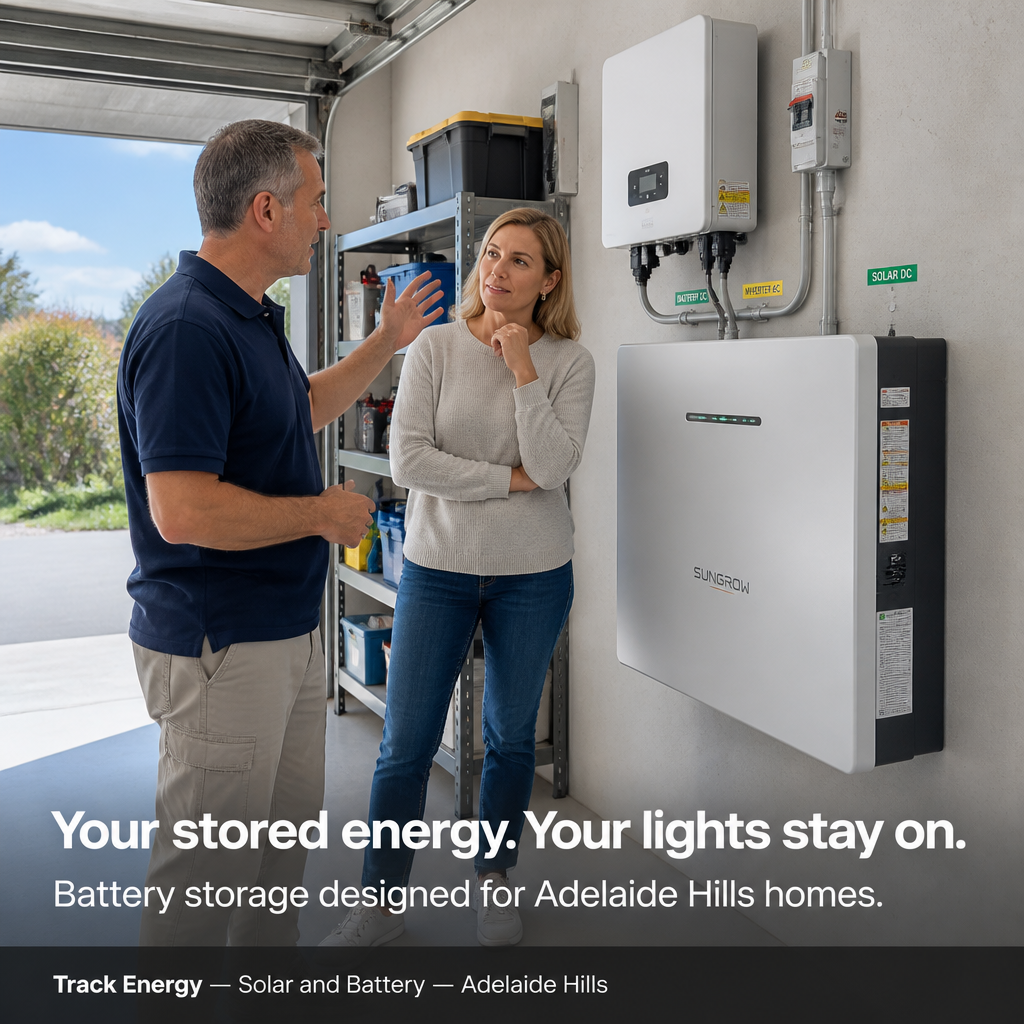
A question we get regularly is whether it is too late to add battery storage if solar panels are already installed. In most cases, it is not. Many existing solar systems can be retrofitted with a battery, though the compatibility between your current inverter and a new battery will need to be assessed before anything gets specified.
The most common situation we see is households who installed solar several years ago and are now looking at the next step. Their panels are working well, they have seen the benefit of generating their own power, and now they want to hold onto more of that energy rather than exporting it. That is a sensible progression, and in many cases the timing aligns well with improvements in battery technology and system costs compared to what was available five or six years ago.
What matters most in a retrofit situation is making sure the battery is sized appropriately for both the existing solar array and the household's actual consumption patterns. A battery that is undersized will fill up and run out before the evening is done. One that is oversized for the system rarely gets fully charged. Neither outcome is ideal, and both can be avoided with a proper assessment upfront.
What South Australian Households Should Know About Local Schemes
South Australia has been at the forefront of home battery adoption in Australia for several years now, and there have been various state level schemes and virtual power plant programs designed to support uptake. The specifics of what is available, who is eligible, and what is currently active do change over time, so it is always worth getting current advice rather than relying on information that might be out of date.
What we can say is that the local regulatory environment, the grid conditions in SA, and the feed in tariff structure all factor into how a battery system should be configured for a South Australian household. This is an area where local knowledge genuinely matters. The way the SA grid operates, including its high penetration of renewables and the resulting dynamics in wholesale electricity pricing, creates a different set of conditions than you would find in other states. Designing a system that accounts for those local factors is part of what we do.
How to Think About Whether a Battery Is Right for Your Home
The honest answer is that battery storage is not the right fit for every household at every point in time. A few things are worth thinking through before committing to anything.
- How much solar energy are you currently exporting to the grid? If your export figures are consistently high, that is energy you are generating but not using, and that is the pool a battery draws from.
- What are your evening electricity habits? Households with higher usage in the 5pm to 10pm window generally see more benefit from storage than those who are out or in bed early.
- How important is backup capability to you? If grid reliability is a concern, that changes both the system design and potentially the hardware choice.
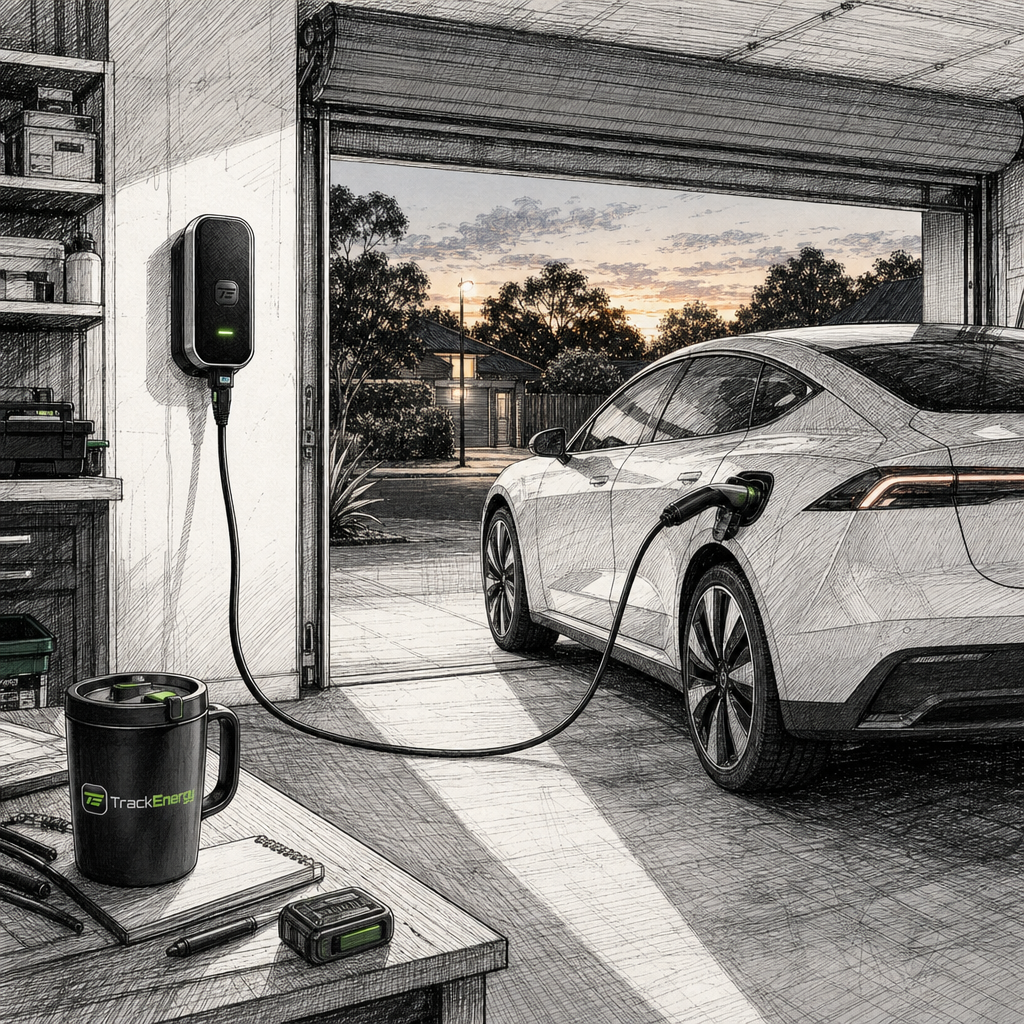
- Are you planning to add an electric vehicle in the next few years? That changes the energy picture considerably and is worth factoring into a battery decision now rather than retrofitting again later.
These are the kinds of questions we work through with households before recommending anything. There is no point in installing a system that does not suit how you actually live.
We have been designing and installing solar and battery systems across Adelaide and the Adelaide Hills since 2009. We know the local conditions, we know the households, and we know what works and what does not in this market. If you have been thinking about battery storage, whether as an addition to existing panels or as part of a new system from scratch, we are happy to have a conversation about what makes sense for your place. No pressure, just honest advice.
Get a free solar quote from Track Energy. Visit trackenergy.com.au or call 0416 533 628