After more than a decade installing solar systems across South Australia, I have heard just about every solar myth there is. Some are harmless misunderstandings. Others are genuinely holding people back from making a decision that could transform the way they use energy at home or in their business. So let me do what I enjoy most and just be straight with you. Here are the myths I hear most often, and what is actually true.
Myth 1. Solar Panels Do Not Work Well on Cloudy Days
This one comes up constantly, and I understand why. The assumption makes a kind of logical sense. Less sun means less power, so cloudy days must mean almost nothing, right? Not quite.
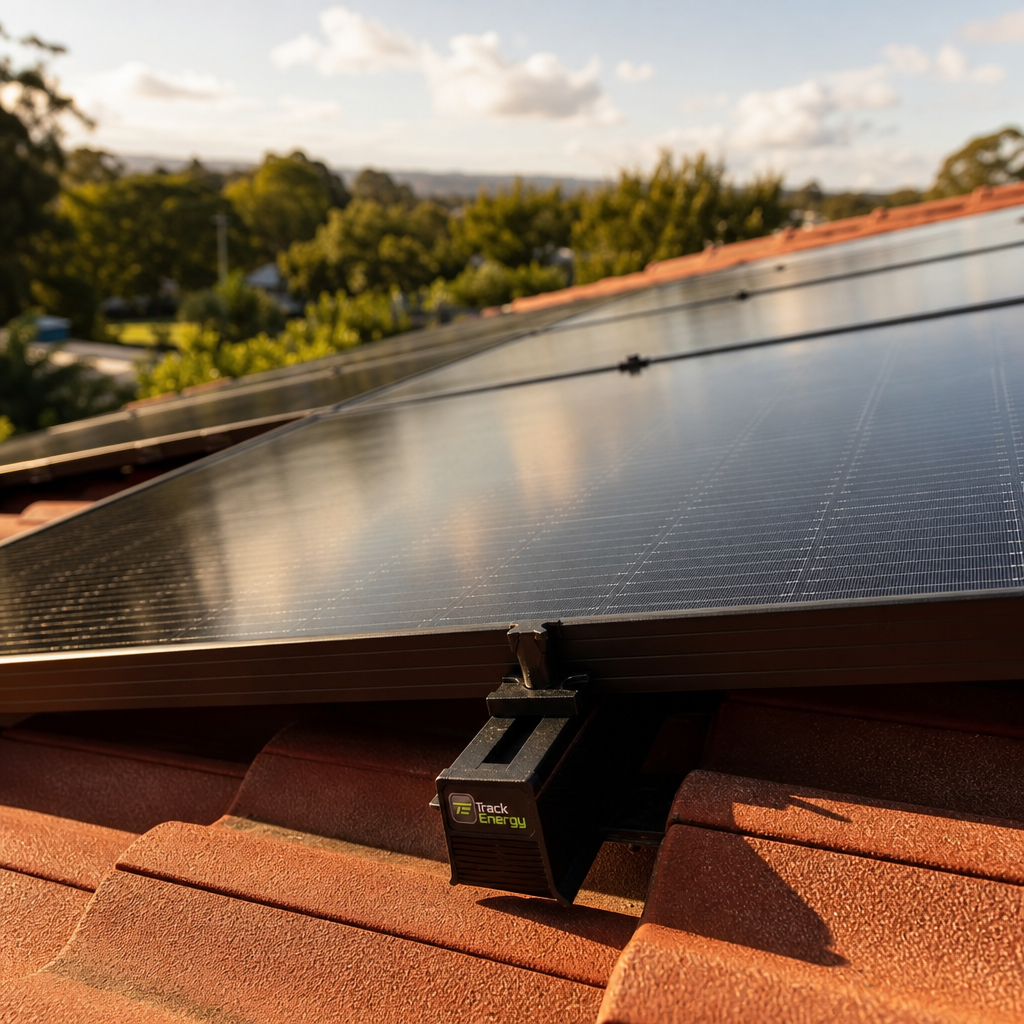
Modern solar panels are designed to generate power from daylight, not just direct sunlight. They respond to a broad spectrum of light, including the diffuse light that filters through cloud cover. On an overcast day, your system will produce less than it would under full sun, but it will still be generating power. South Australia already enjoys some of the highest solar irradiance levels in the country, so even our greyest winter days are doing useful work for a well sized system.
The real factor that shapes your system's annual output is how it performs across all conditions over a full year, not just peak summer days. A quality system design accounts for seasonal variation from the start. That is something we think through carefully in every consultation we do.
Myth 2. Solar Panels Are Too Much Maintenance
People sometimes imagine that owning a solar system means climbing onto the roof every few weeks, fiddling with equipment, and calling technicians on a regular basis. The reality is far simpler.
Solar panels have no moving parts. There is very little that can go wrong in day to day operation, and for most South Australian homes the main thing panels need is an occasional clean, particularly after a dry stretch when dust and pollen can build up. In many cases, rainfall takes care of most of that naturally.
What does matter is periodic system monitoring and a professional health check every few years to confirm your inverter, wiring, and panels are all performing as they should. That is not onerous. It is just sensible ownership, the same way you would service a ducted air conditioning system rather than ignore it for a decade. We have written about why system health checks matter, so I will not retread that ground here. The short version is that a well installed system with proper monitoring should run reliably for many years with minimal intervention on your part.
Myth 3. You Need a Battery to Make Solar Worth It
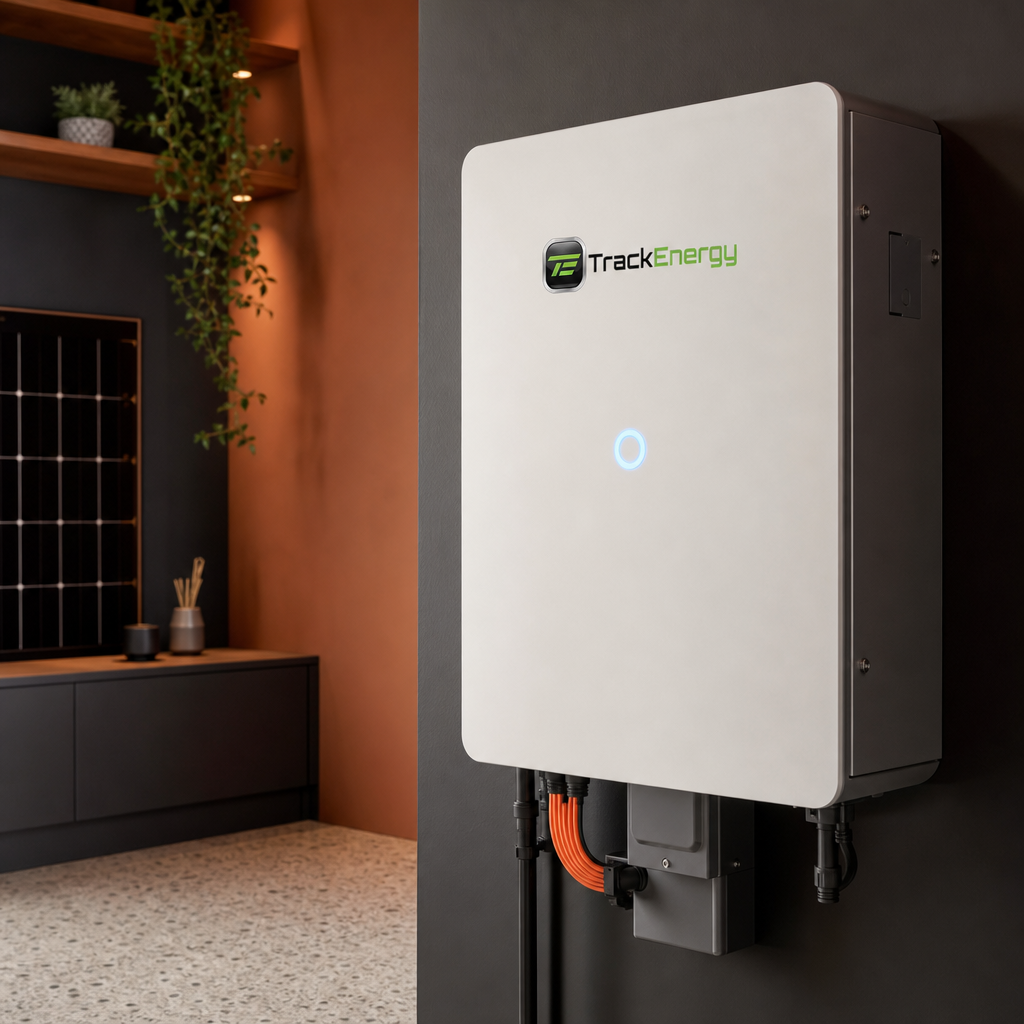
Batteries are a fantastic addition to a solar system, and I genuinely believe they make more sense now than they ever have for many South Australian households. But the idea that solar without a battery is somehow incomplete or not worth doing is a myth worth clearing up.
The most common solar setup in Australia is a grid connected system without battery storage. According to industry commentary, the majority of Australian rooftop solar installations are grid tied, with excess power exported to the grid in exchange for a feed in tariff. That setup has delivered real, measurable reductions in energy bills for hundreds of thousands of Australian households.
Whether a battery makes sense for your situation depends on a few things. how much power you use and when you use it, your current tariff structure, your goals around energy independence, and your budget. The answer is different for a retiree at home during the day compared to a household where everyone is out from 7am to 6pm. Our job is to give you honest advice on where a battery actually adds value for your specific situation, not to push equipment for the sake of it.
Myth 4. All Solar Installers and Systems Are Much the Same
This one genuinely concerns me, because the gap between a well designed, properly installed system and a rushed or undersized one can be significant over the life of the system.
The solar industry has grown quickly in Australia. That growth has brought a lot of good installers into the market, but it has also brought operators focused on volume and margin rather than long term performance. A recent industry report flagged that Australia's solar installer shortage is widening, with small firms finding it harder to scale while larger operators capture demand. That environment puts even more weight on choosing an installer who knows your local conditions, designs systems thoughtfully, and stands behind their work over time.
We have been doing this in South Australia since 2012, with more than 2,000 completed installations behind us. The Adelaide market, including the Hills where I live and work, has its own energy patterns, grid characteristics, and regulatory environment. That local knowledge is not something you can replicate with a national call centre and a team flown in for the week. When you get a quote from us, you are talking to someone who knows what your roof, your suburb, and your energy habits actually require.
Myth 5. EV Chargers and Solar Are Too Complicated to Combine
As more South Australians move to electric vehicles, this myth is becoming more common. The thinking goes that integrating an EV charger with a home solar system must involve complex electrical work, specialist equipment, and ongoing technical headaches.
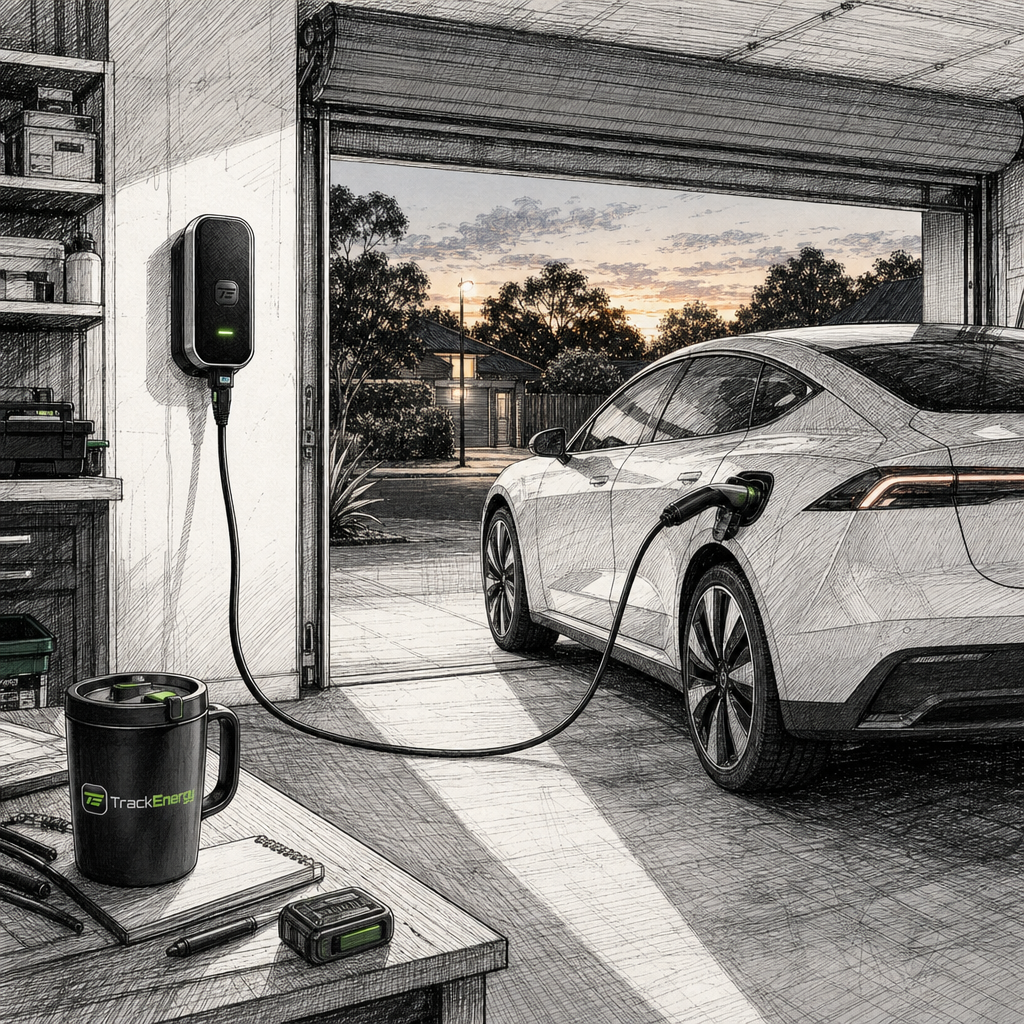
In practice, adding an EV charger to an existing or new solar setup is a well understood process. The key is making sure the system design accounts for the additional load from charging. That means looking at your panel capacity, your inverter, whether a battery is part of the picture, and how you typically charge. When it is designed well, you can charge your vehicle primarily from solar generation rather than drawing from the grid, which is exactly the kind of energy ownership most of our customers are aiming for.
The combination of solar, battery storage, and EV charging is increasingly what a complete home energy setup looks like. None of the pieces are complicated in isolation, and the integration is straightforward when it is planned from the start rather than bolted on as an afterthought.
Myth 6. South Australia Is Too Hot for Solar Panels to Perform Well
This surprises people. Panels actually perform slightly less efficiently at very high temperatures, which is a known characteristic of photovoltaic technology. So does that mean our summers work against us?
Not in any meaningful way for a properly designed system. Panel temperature coefficients are factored into quality system design. The far bigger factor is the sheer volume of solar resource South Australia receives across the year. We are one of the sunniest states in one of the sunniest countries in the world. A system designed with appropriate panel selection, correct orientation, and sufficient ventilation behind the panels will handle our summers comfortably and deliver strong annual output.
The heat argument is sometimes used to justify choosing cheaper panels that supposedly tolerate heat better. My honest take is that quality panels from reputable manufacturers with good temperature coefficients and strong degradation warranties are the right answer, not a workaround that trades long term performance for short term savings on the day of installation.
If any of these myths have been sitting at the back of your mind, I hope this clears the air. Solar, battery storage, and EV charging are not complicated or fragile technologies when they are selected and installed properly. They are practical tools for taking real control of your energy costs, and South Australia is genuinely one of the best places in the world to make them work for you. If you have a question I have not answered here, just reach out. I would rather spend ten minutes answering your questions than have you sit on the fence for another year.
Get a free solar quote from Track Energy. Visit trackenergy.com.au or call 0416 533 628