Spring in South Australia arrives fast. One week you are still running the heater in the morning, and the next the sun is genuinely warm by nine o'clock and your air conditioner is back in the conversation. For solar owners, that shift is significant. After a long winter of shorter days, low sun angles and the occasional frost, your system is about to enter its highest output months of the year. Whether or not it actually delivers on that promise depends largely on what condition it is in right now.
This is the time of year I always encourage people to take a closer look at their setup. Not because anything is likely to be catastrophically wrong, but because a few small things left unaddressed through winter can quietly cost you when the sun really gets going. Here is what to look at, and why it matters heading into summer.
Give Your Panels a Proper Clean
Winter in Adelaide and the surrounding Hills is dusty, and it is also the season when gum trees drop bark, birds are active, and low rainfall means grime does not always wash off naturally. By the time August rolls around, most solar panels have accumulated a meaningful layer of dust, pollen and organic debris. That layer acts like a partial shade on your panels, reducing output quietly in the background.
The most common situation we see heading into spring is panels that look reasonably clean from the ground but have a dull, hazy coating that only becomes obvious when you get up close. That coating is enough to reduce generation by a noticeable margin, and because it happens gradually, most people do not notice it in their daily monitoring.
A professional clean uses the right equipment and technique to remove debris without scratching the glass surface or voiding warranty conditions. It is also a good opportunity to have someone on the roof who knows what they are looking at, which leads to the next point.
Check for Physical Damage After Winter
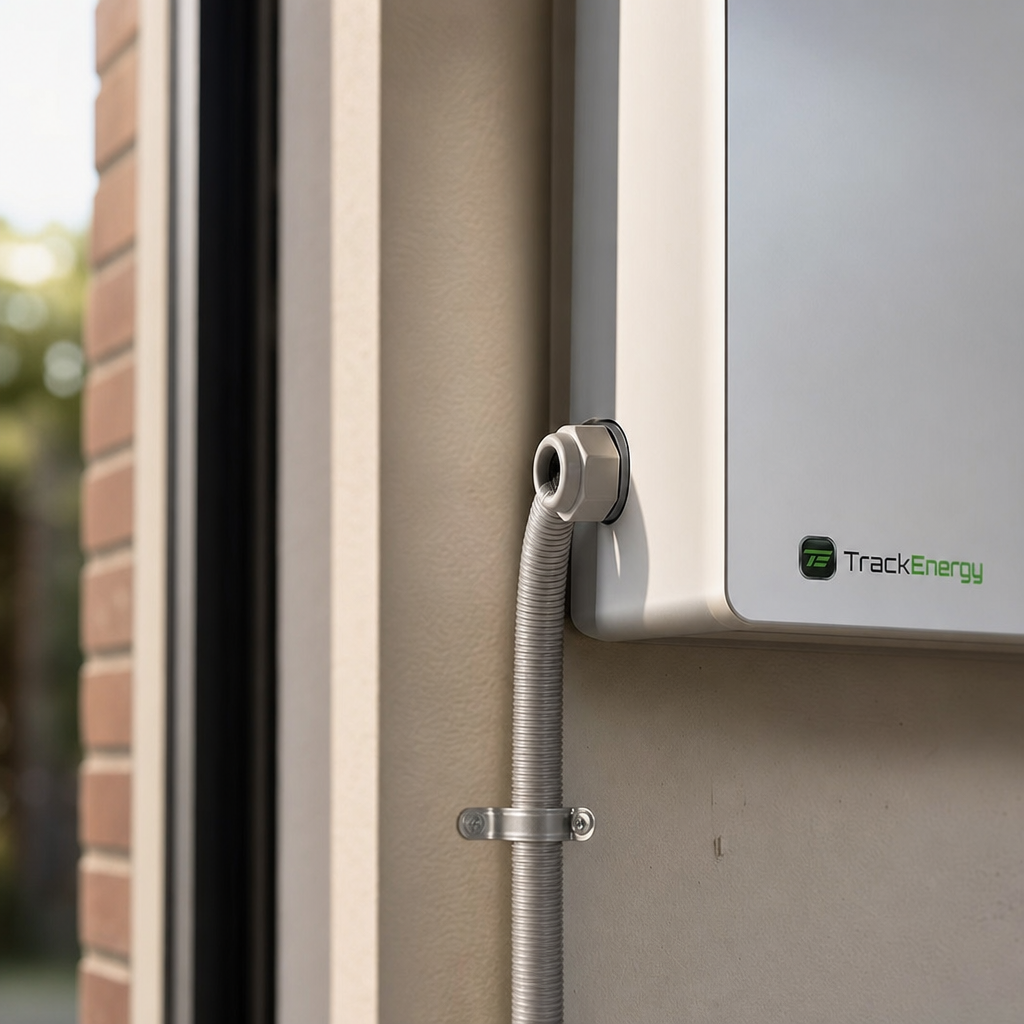
Winter storms, hail events and high winds can all affect the physical integrity of a solar system. Panels can crack, mounting hardware can work loose, conduit can be dislodged, and debris from nearby trees can land and sit unnoticed for months. None of these things necessarily show up as a dramatic change in output. A cracked panel cell may still generate power while slowly degrading.
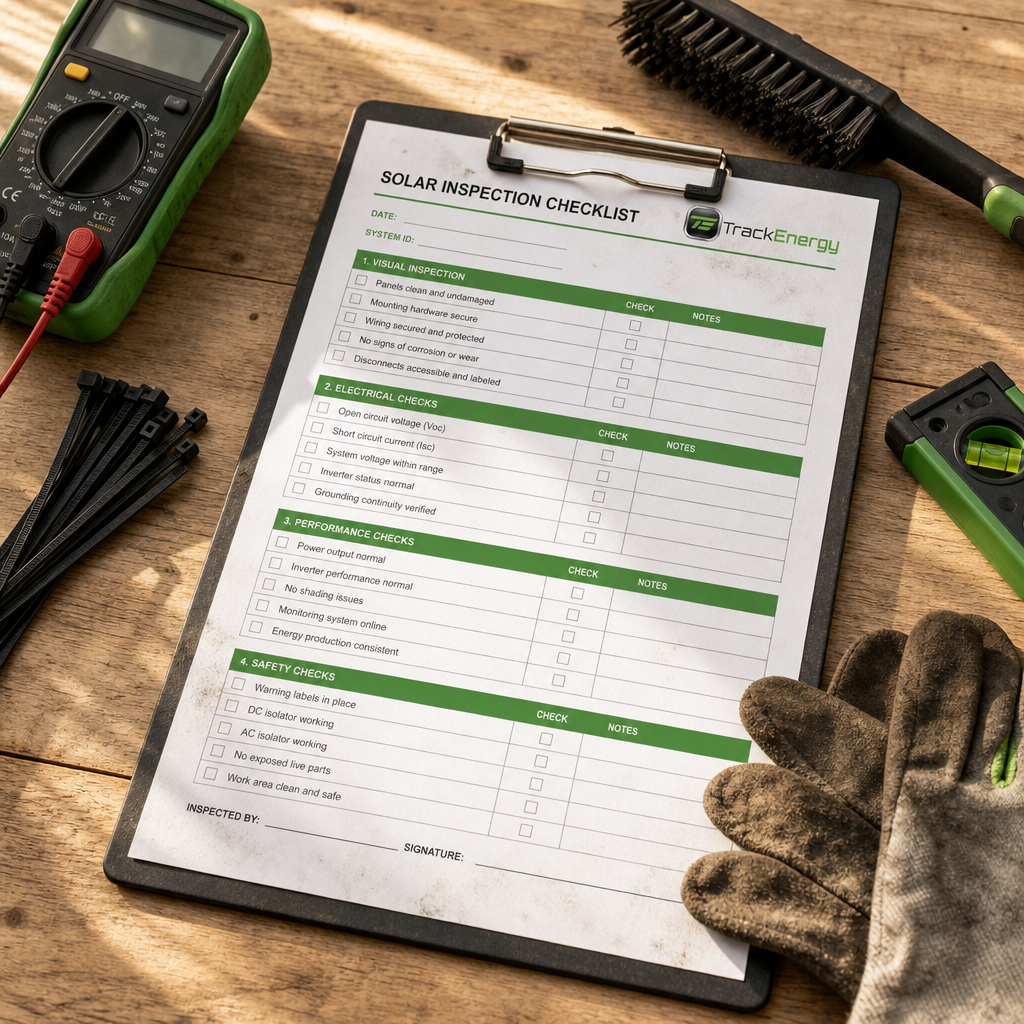
Now is a good time to have a trained eye look over the physical installation. That means checking panel frames, mounting rails, roof penetrations and cable management. In the Adelaide Hills especially, where wind and weather exposure is higher than on flat urban rooftops, this kind of seasonal check is just sensible practice.
If your system is a few years old and has never had a formal inspection, spring is a natural moment to book one in. Small problems caught now are straightforward to fix. The same problems left until midsummer when demand on your system is at its peak are a different situation entirely.
Review Your Energy Data Before Peak Season Hits
Most inverters now give you access to generation data going back months or years. Before the summer season takes over, it is worth spending ten minutes looking at how your system performed this winter compared to previous winters. You are looking for any unexplained dips in generation, or periods where output was lower than expected for the conditions.
Inverter faults, degraded panels, shading from new tree growth and connection issues can all show up in generation data before they become obvious in any other way. If something looks off but you are not sure how to read it, that is a conversation worth having with an experienced installer who can interpret the numbers in context.
Spring is also a useful moment to revisit your overall energy usage. If your household has changed in the past year, whether through a new EV, changes in who is home during the day, updated appliances, or a shift in work patterns, your system design assumptions from installation may no longer reflect your actual needs. A system that was right sized two years ago may now be undersized, or you may be in a position to add battery storage and genuinely change how you interact with the grid.
Think About Battery Storage Before Summer Demand Arrives
South Australian electricity prices remain among the highest in the country. That is not a new situation, but what is worth noting is that the value of storing your own solar generation and using it in the evening, rather than exporting it at a low feed in rate and buying it back at a peak rate, continues to grow.
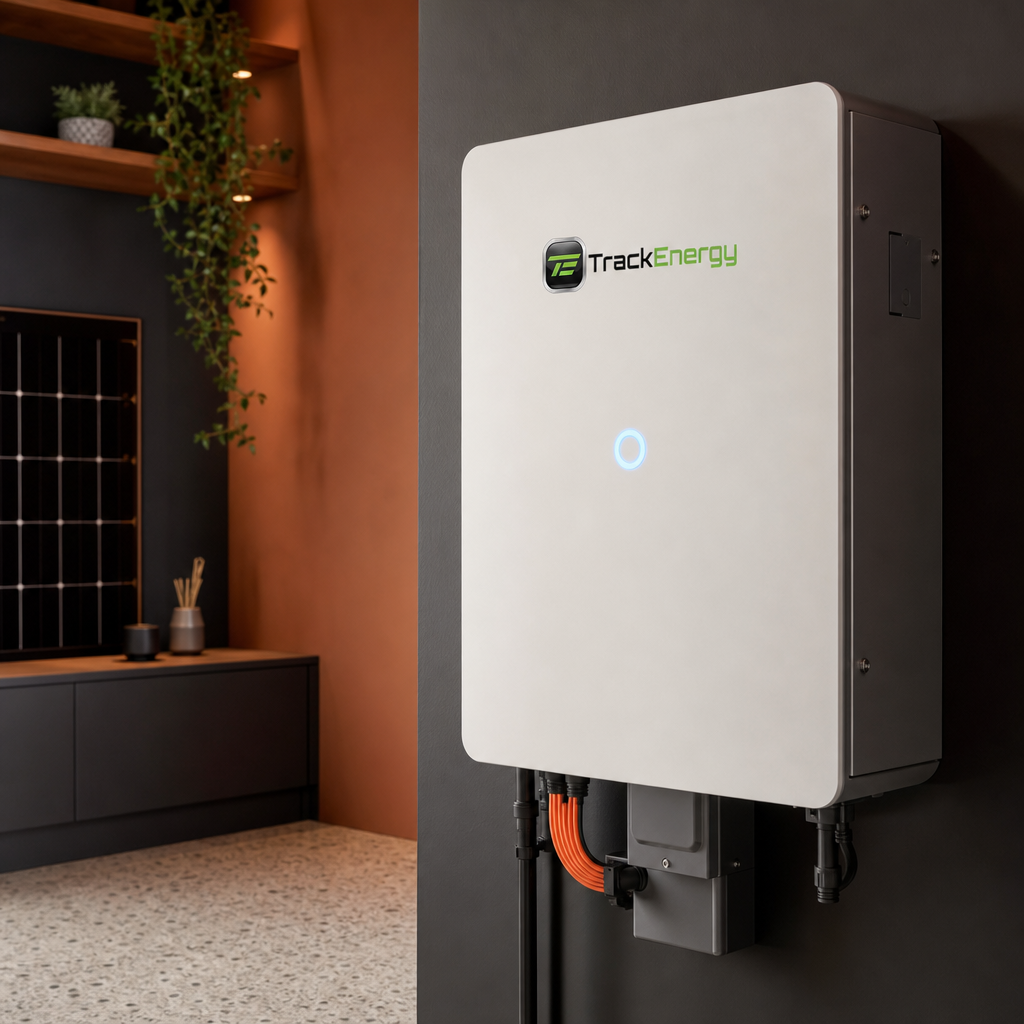
Spring is an ideal time to assess whether battery storage makes sense for your home or business. You still have time to get a proper system design completed and installation scheduled before the hottest months arrive and demand on installers spikes. The most common situation we see is homeowners who start thinking about batteries in December and then spend January on a waiting list, missing the benefit for that summer entirely.
If you have been curious about battery storage but have not moved forward yet, a no pressure consultation with someone who actually understands your site conditions and usage patterns is the right starting point. The answer might be yes, it might be not yet, or it might be that a different approach altogether suits your situation better. Honest advice is always the starting point here.
Is Your EV Charger Set Up to Work With Your Solar?
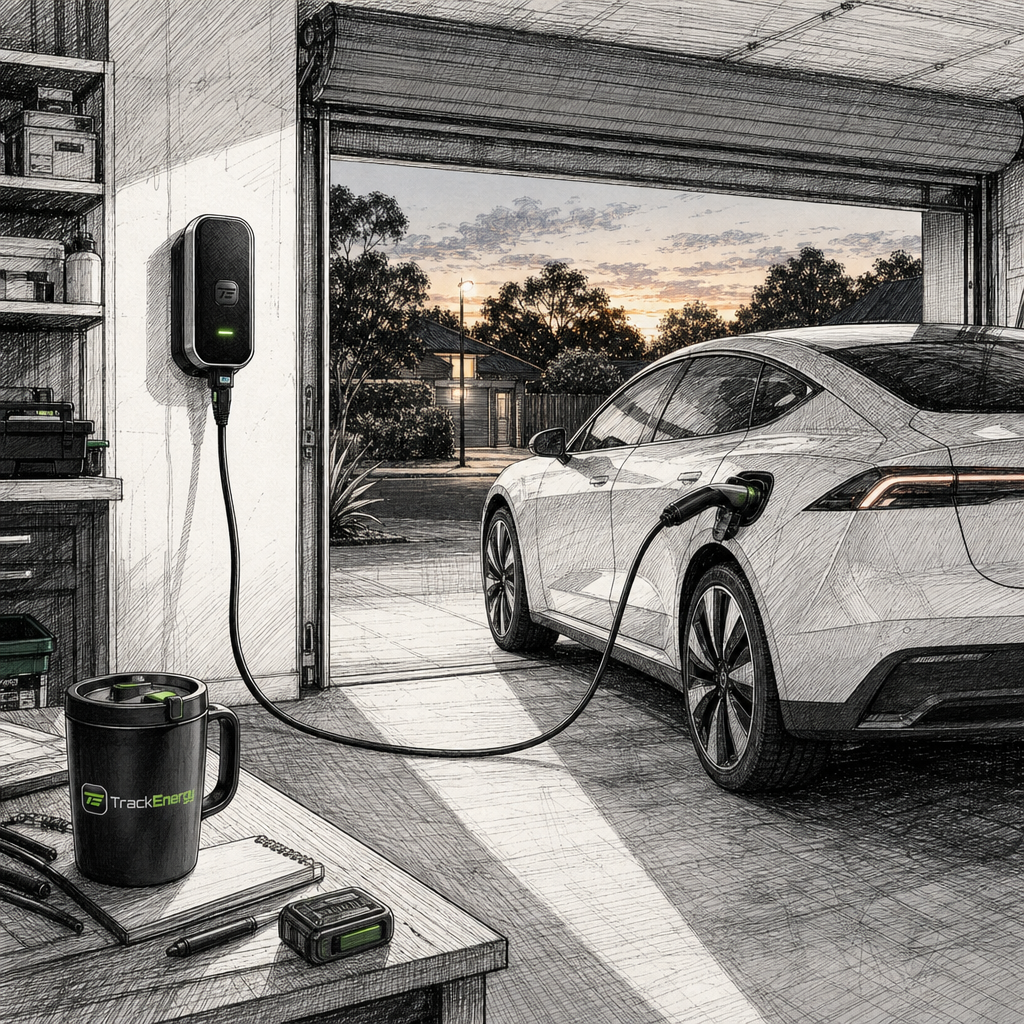
For homeowners who have added an electric vehicle in the past year or two, spring is a good moment to check that your EV charging setup is actually integrated with your solar system in a way that makes financial sense. Charging from the grid when your panels are exporting is a surprisingly common situation, simply because the default settings on many chargers are not optimised for solar self consumption.
With longer days and higher generation from spring onwards, there is more solar available during the day to direct toward EV charging. If your charger is scheduled to run overnight on default settings, you may be missing an opportunity to run largely on solar rather than grid power. Getting the settings right, or upgrading to a smart charger that responds to available solar generation, is the kind of change that can make a real difference over a full season of driving.
Make the Most of the Season Ahead
Spring does not ask permission. It arrives, the sun gets stronger, and your solar system either hits the ground running or it does not. The good news is that a little preparation right now puts you in the best possible position for the highest output months of the year.
If you have been meaning to get a clean done, book an inspection, look into storage or sort out your EV charging, there is no better time than right now. By the time December arrives, the opportunity to prepare properly has already passed.
We have been doing this across South Australia since 2012, and the pattern is consistent every year. The homeowners and businesses who get the most out of their systems are the ones who treat spring as the start of their solar year, not just a change in the weather.
Get a free solar quote from Track Energy. Visit trackenergy.com.au or call 0416 533 628