Most people picture solar as a fairly simple proposition. Panels go on the roof, sunlight goes in, savings come out. And while the end result really can be that satisfying, what happens before anyone sets foot on a roof is where the real work takes place. Getting that part right is the difference between a system that performs well for decades and one that underdelivers from day one.
Here is a look at what actually goes into a solar installation at Track Energy, and why the design and planning stage matters as much as the installation itself.
It Starts with Understanding Your Property and Your Energy Use
No two properties are the same, and no two households use energy the same way. Before we think about which panels or inverter to specify, we need to understand the property itself. Roof orientation, available roof space, pitch angle, shading from trees or neighbouring structures, and how the roof is constructed all factor into what system will actually work well in that specific location.
Energy use matters just as much. A retired couple at home during the day has very different solar needs to a household where everyone is out from 8am to 6pm. The times of day when energy is consumed, the appliances running in the background, and whether battery storage is on the table all shape the system design. A well sized system for one household could be the wrong fit entirely for another with a similar roof.
This is why we ask a lot of questions early. Not to be nosy, but because the answers directly inform what we recommend.
Local Conditions Make a Real Difference
Adelaide and the Adelaide Hills have their own set of conditions that national solar operators often do not fully account for. Sun angles vary through the year and are specific to our latitude. The Hills in particular can see microclimatic variation, with temperature, humidity, and even dust exposure differing from the flat northern suburbs. These factors affect panel selection and system performance over time.
Beyond the physical environment, there are grid and regulatory considerations that are specific to South Australia. SA Power Networks has its own rules around export limits and connection requirements. Local council requirements can apply to certain properties, particularly in heritage zones or bushfire risk areas. Getting these details right at the planning stage avoids delays and surprises at connection time.
We have been operating across Adelaide and the Adelaide Hills since 2009, which means this local knowledge is built into how we work. It is not something we have to look up.
System Sizing Is Not a Guessing Game
One of the most common misconceptions we see is the idea that bigger is always better when it comes to solar. A larger system is not automatically the right answer. Oversizing a system for a property with limited export capacity, or for a household that cannot use the generation on site, can mean a significant portion of what is produced simply gets exported to the grid at low feed in rates rather than being used where it delivers the most value.
On the flip side, undersizing means leaving savings on the table. The goal is to match the system to the actual usage profile of the household, accounting for how energy consumption might change over time as household circumstances shift.
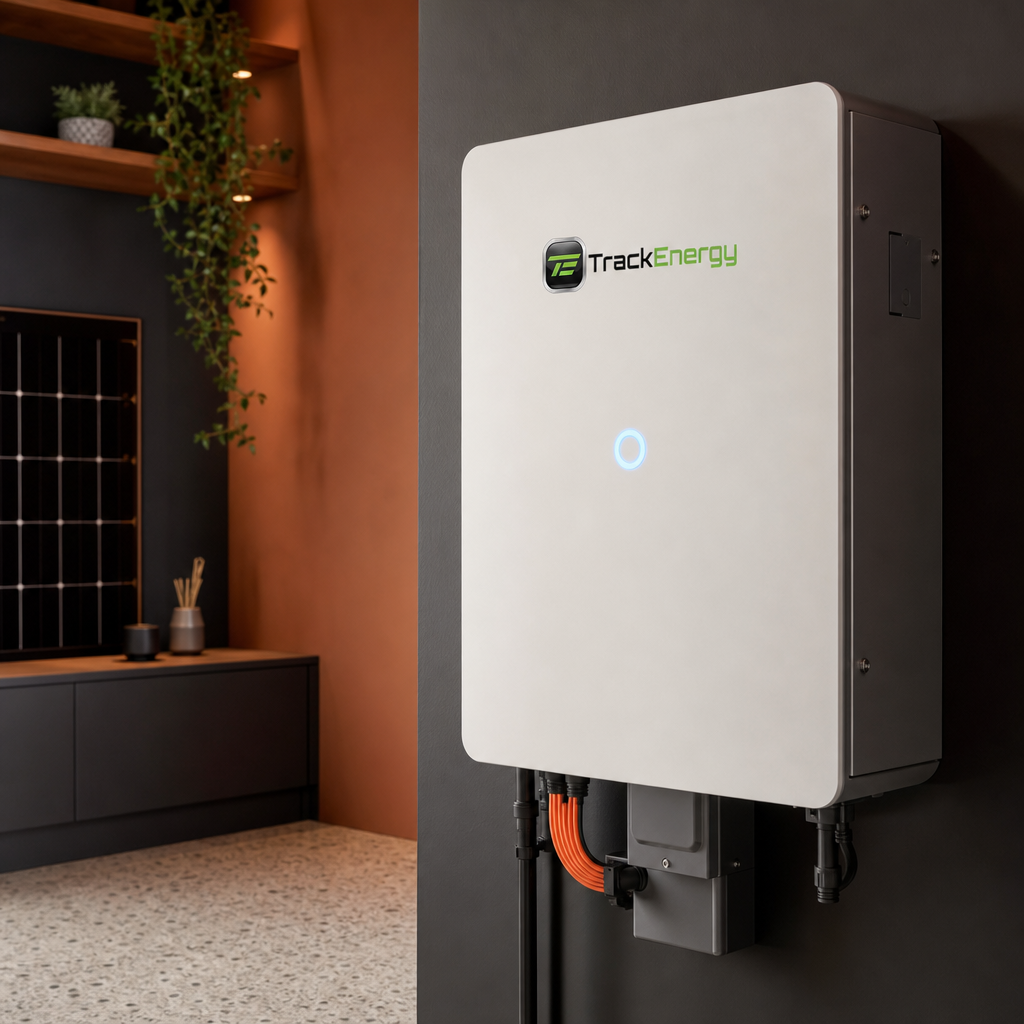
When battery storage is part of the conversation, sizing becomes even more important. The battery needs to complement the solar system, not just sit alongside it. A battery that is too small for the system, or specified without regard to the household's evening energy draw, will not deliver the energy independence most customers are looking for.
Nothing Gets Handed Off
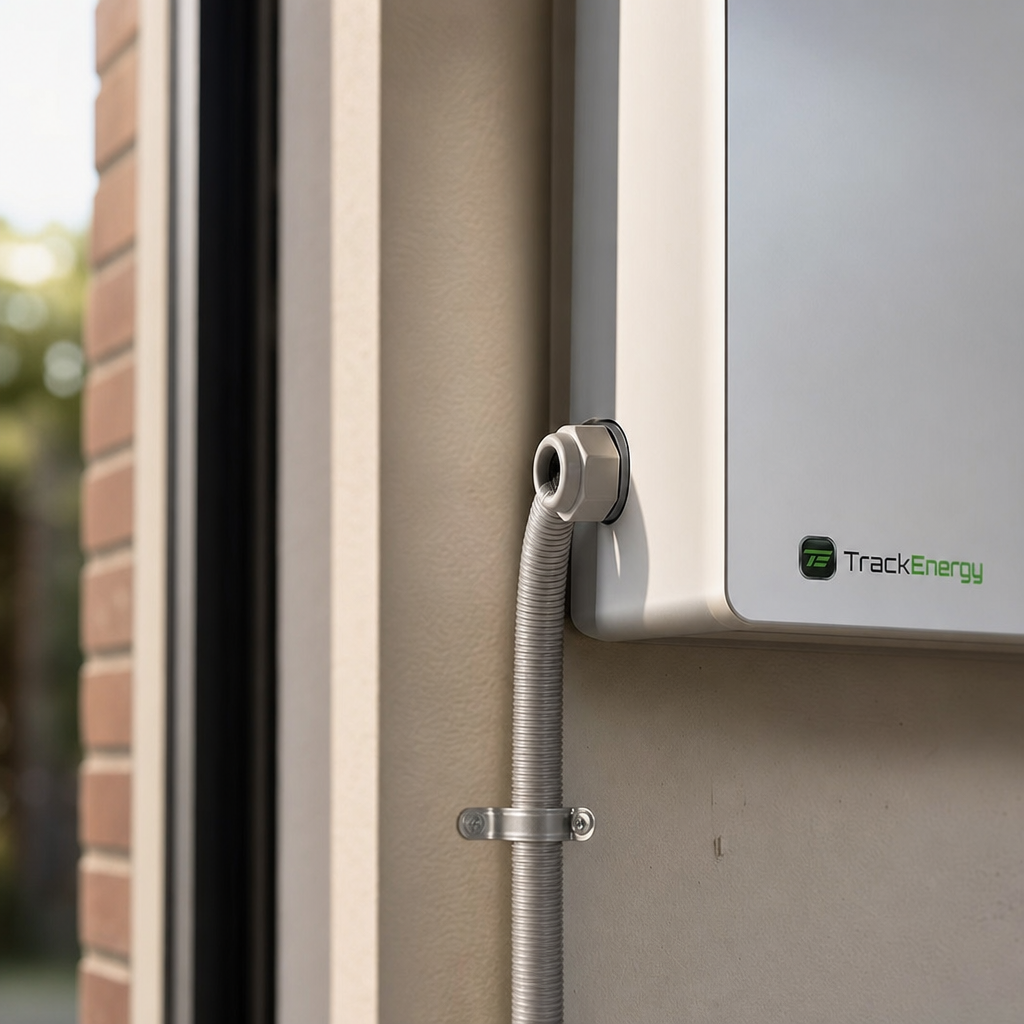
At Track Energy, we design, supply, and install. That means we are across the full picture from the initial site assessment through to the final connection and handover. There is no handoff to a subcontractor who has not seen the job, read the design brief, or spoken to the homeowner. The people who did the planning are the same people doing the installation.
This matters more than it might sound. When the person on the roof has full context about the system design and the property, they can make informed decisions if something unexpected comes up during the install. In an industry where subcontracting is common and project communication can break down at critical moments, keeping the whole job in house is something we do deliberately.
It also means there is one point of contact if any question arises after the system is commissioned. That accountability does not disappear once the installation is done.
Getting It Right at the Start Matters Over the Long Term
A solar system is a long term asset. Quality panels from reputable manufacturers are rated for 25 years or more. The decisions made at the design and installation stage will affect how that system performs across its entire working life. A well designed, properly installed system will consistently outperform a poorly specified one, and the gap compounds over time.
That is not a marketing line. It is simply how physics works. Panels that are poorly oriented, partially shaded for large parts of the day, or connected through an undersized inverter will never reach their potential. No amount of maintenance can recover what poor design takes away from day one.
This is why we invest the time in the planning stage, and why we are direct with customers if a site has limitations that will affect performance. An honest conversation upfront is worth more than a sale that leads to disappointment later.
If you are thinking about solar or battery storage for your home or business in Adelaide or the Adelaide Hills, the best place to start is a conversation. There is no obligation, no pressure, and no hard sell. Just a straightforward assessment of what will actually work for your situation.
Get a free solar quote from Track Energy. Visit trackenergy.com.au or call 0416 533 628