Most people have a rough idea of what solar looks like from the outside. A few panels on the roof, some wiring, and the electricity bill starts going down. That part is true. But the process that makes it happen reliably, safely, and correctly for your specific home is a bit more involved than it might appear from the street.
We have been designing and installing solar systems across Adelaide and the Adelaide Hills since 2009. Over that time the steps we follow have not really changed in spirit, even as technology and regulations have evolved. Here is what actually goes into getting a solar system onto your roof and working properly for the long term.
It Starts Well Before Anyone Arrives at Your Property
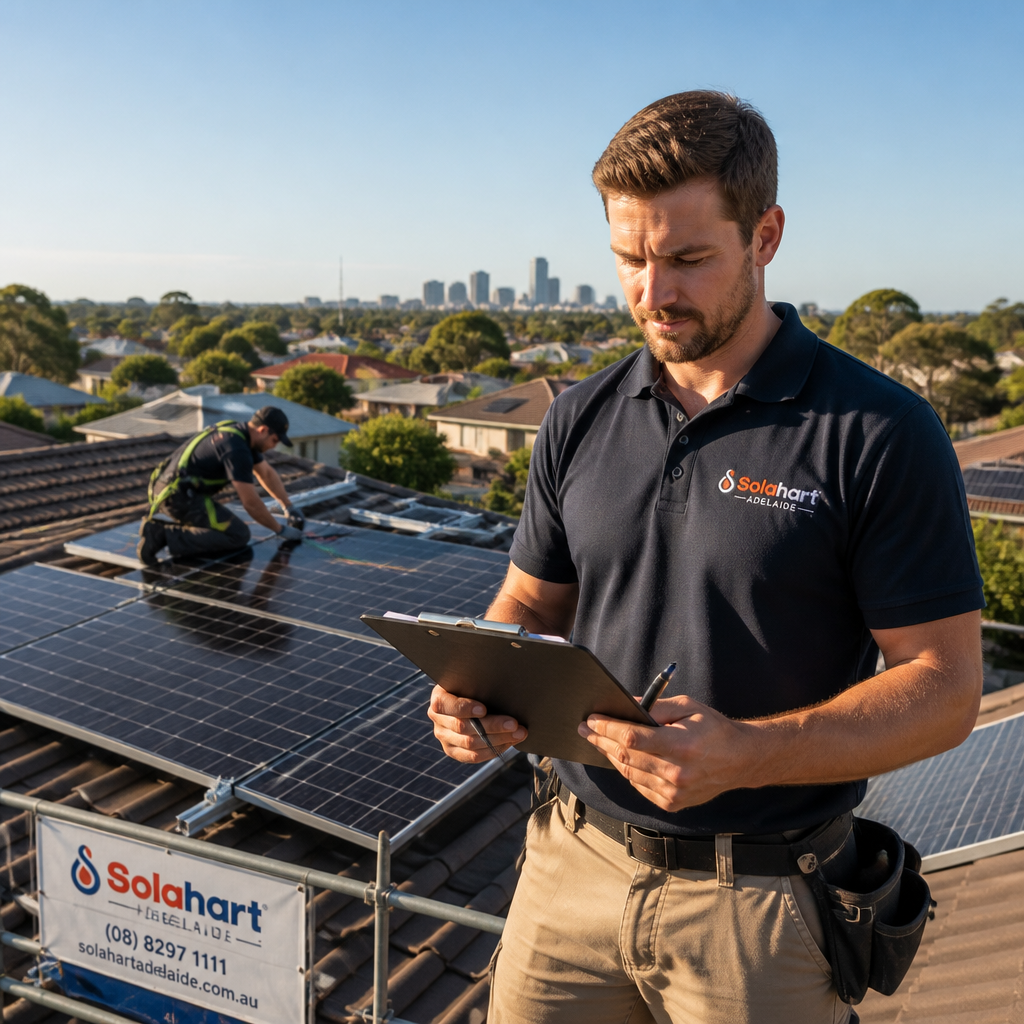
The design phase is where a good installation either starts on the right foot or gets into trouble later. Before we schedule any work, we look at the property in detail. That means assessing roof orientation, pitch, available space, any shading from trees or neighbouring structures, and the structural condition of the roof itself. Not every roof is the same and a system designed without accounting for those differences will underperform.
We also look at how the household actually uses energy. A system sized for average consumption on an average roof somewhere in Australia is not the same as a system designed for your home, your usage patterns, and your specific location in Adelaide or the Hills. The design should reflect your situation, not a generic template.
On top of that, every installation in South Australia needs to meet grid connection requirements set by SA Power Networks. Understanding what those requirements mean for your property and making sure the system design accounts for them is part of the job before a single panel is ordered.
The Day of Installation
On installation day the team arrives prepared. The equipment has been quality checked, the design has been confirmed against the site, and the work is carried out to meet Australian Standards and SA regulatory requirements.
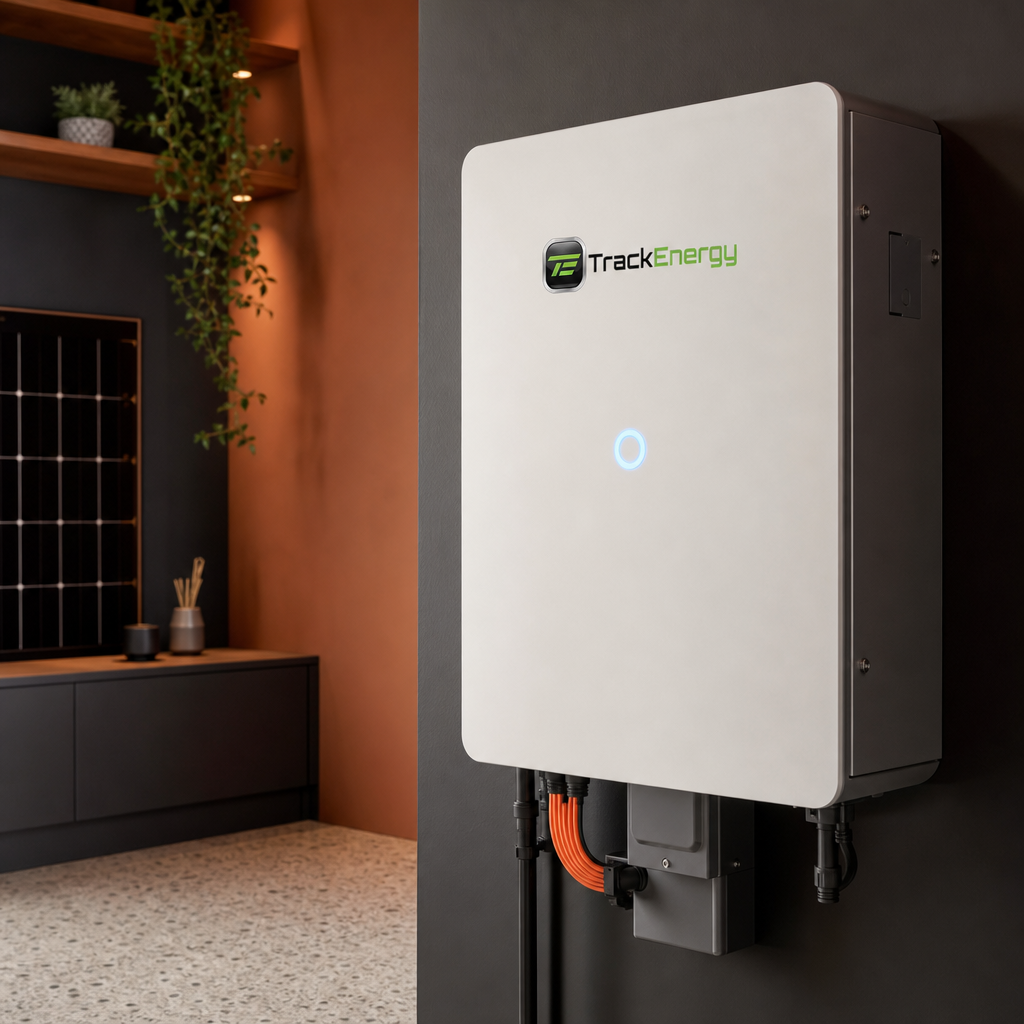
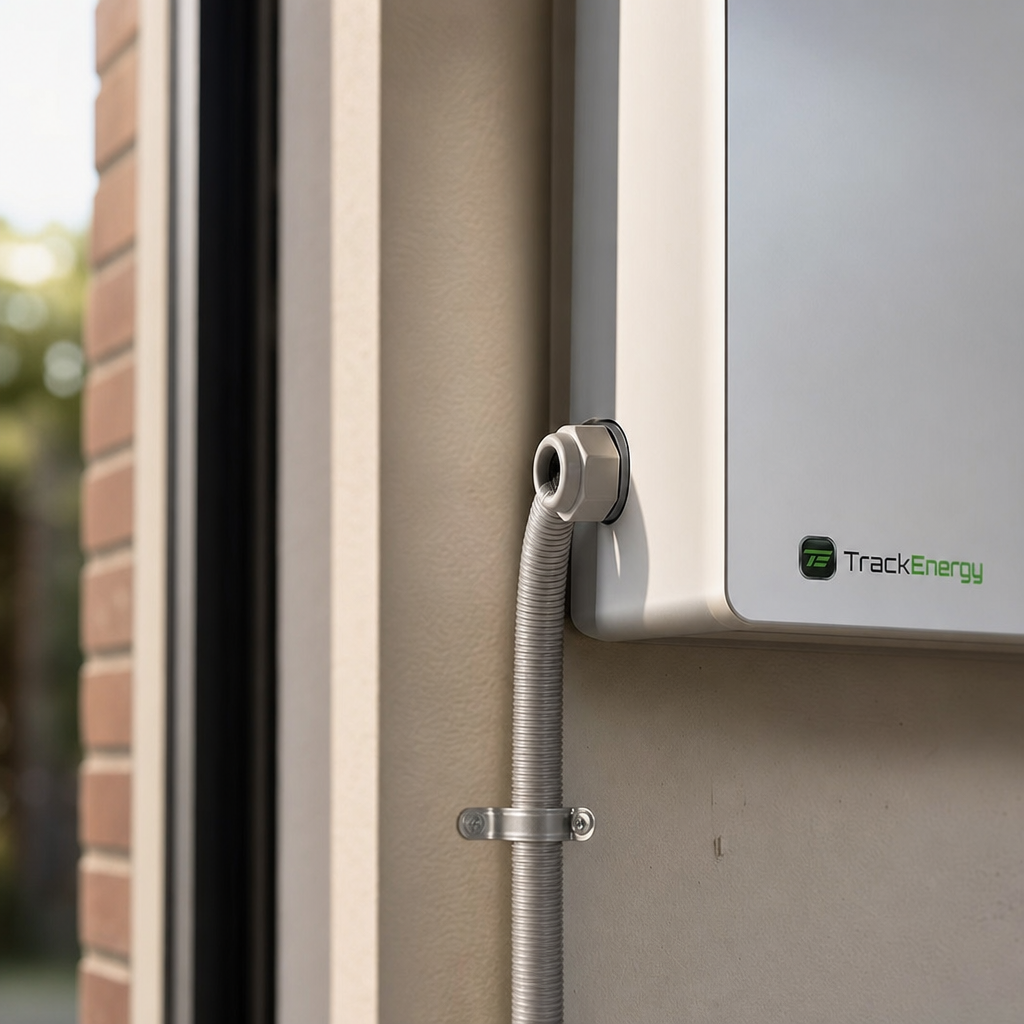
A well run installation is methodical. Roof penetrations are sealed correctly. Wiring is run neatly and safely. The inverter is positioned and connected properly. Nothing is rushed because the job needs to last. Solar panels are typically rated to perform for 25 years or more, which means the mounting and wiring underneath them needs to be just as reliable as the panels themselves. Taking shortcuts on installation day to save an hour can create problems that take years to show up, and by then they are your problem to deal with, not just an inconvenience for the installer.
The most common situations we see with poorly installed systems involve roof fixings that were not sealed correctly, undersized wiring, or inverters installed in locations that cause them to overheat. These are not exotic failure modes. They are the result of installation work done quickly rather than correctly.
Commissioning and Handover
Once the physical installation is complete, the system needs to be commissioned. That means powering everything up, confirming the inverter is operating correctly, checking that the output readings make sense, and making sure the system is communicating as expected.
We do not leave a site until we are satisfied the system is working properly. That also means making sure the homeowner understands what they are looking at. Knowing how to read your inverter display or monitoring app, knowing what normal looks like, and knowing what to do if something seems off are all part of getting full value from your investment. A system you cannot understand is a system you cannot manage.
The grid connection paperwork is also handled as part of this process. SA Power Networks requires formal notification and approval before a solar system can be connected and export energy to the grid. Getting that right matters, both for compliance and for making sure you are actually receiving credit for the energy your system generates.
Why All These Steps Actually Matter
It is fair to wonder whether all of this detail is necessary. Solar is a proven technology and the basic concept is not complicated. But there is a real difference between a system that works adequately for a few years and one that performs reliably for two decades or more.
The steps in the process exist because they protect the homeowner. A properly designed system generates more energy than a poorly designed one placed in the same spot. A properly installed system is safer and more durable. A properly commissioned system means you are getting what you paid for from day one.
We have been doing this long enough to know that the households who get the best long term outcomes from solar are the ones whose systems were thought through carefully before installation, not the ones who went with the fastest quote or the cheapest team available on a short notice.
That is not a knock on anyone. Energy costs are real and the appeal of a faster, lower cost option is completely understandable. But solar is a long term investment in your home. It deserves to be treated like one.
What to Expect When You Contact Us
When you reach out to Track Energy, the first conversation is about your home and your situation. We are not here to push a particular system or hit a sales target. We want to understand what you are trying to achieve, whether that is reducing your electricity bills, adding battery storage for energy independence, or both.
From there we can give you an honest assessment of what a well designed system would look like for your property, what it would realistically do for your energy costs, and what the installation process involves. No pressure. Just practical information from people who have been doing this in Adelaide since 2009.
If you are thinking about solar and want to understand what the process looks like for your home specifically, we are happy to talk it through.
Get a free solar quote from Track Energy. Visit trackenergy.com.au or call 0416 533 628