Spring in South Australia has a particular kind of energy to it. The days are getting longer, the sun is climbing higher, and if you have solar panels on your roof, your system is waking up after a quieter winter. On paper, this should mean everything is running beautifully. And for most homes and businesses, it is. But spring also brings a set of conditions that are worth paying attention to, because the difference between a system that performs well and one that quietly underperforms often comes down to what you do or don't do right now, at the start of the season.
This is the time of year when I tend to have some of the most useful conversations with customers. Not because something has gone wrong, but because they're curious. They're watching their inverter display a little more closely, they're thinking about whether their system is still sized right, and they're starting to wonder what summer will look like for their bills. All of that is worth addressing properly.
Why Spring Is Your System's Biggest Opportunity
Spring sits in a sweet spot for solar generation in South Australia. The sun is rising earlier and setting later, panel angles are increasingly well matched to where the sun is sitting in the sky, and temperatures haven't yet climbed into the range where heat starts to drag on panel efficiency. That last point surprises a lot of people. Solar panels are powered by light, not heat, and in fact very high summer temperatures can reduce output slightly. Spring gives you strong irradiance with moderate ambient temperatures, and that combination tends to produce some of the best generation days of the year.
What this means practically is that right now is the ideal time to benchmark how your system is actually performing. If you've been watching your generation data through winter and it looked low, spring is when you'll start to see whether that was seasonal or something worth looking into. A system that still feels sluggish as October approaches is worth a closer look.
On a broader note, it's worth knowing that Australia recently hit a record renewable milestone, with solar and wind meeting 80.4% of the main grid's electricity demand on 19 September 2025 (The Independent). Rooftop solar alone supplied more than half of all electricity used that day. That's not just an impressive number, it's a signal that the systems sitting on South Australian rooftops are doing real work. Making sure yours is in shape to contribute fully matters.
What Spring Weather Actually Does to Your Equipment
Spring in Adelaide and the surrounding regions isn't just sunshine. It's variable. You'll get warm, clear days followed by blustery afternoons, and depending on where you are in SA, some late season rain. All of that has practical effects on your solar equipment.
Dust and debris accumulation is probably the most common thing we see at this time of year. Through winter, a combination of low rain, wind and general atmospheric particulates can leave a surprisingly thick film on panel surfaces. In some areas of South Australia, particularly anywhere with nearby agricultural activity or unsealed roads, the buildup can be significant enough to measurably affect output. If the last proper rain was a while ago and your panels are looking dull rather than clean and dark, it's worth getting them assessed.
Spring winds can also shift debris that has settled around mounting hardware, inverter enclosures and cable management. It's not dramatic, but a visual check of the accessible components of your system is a sensible habit at the change of season. What you're looking for is anything obviously out of place. Anything more detailed than that is work for a qualified installer.
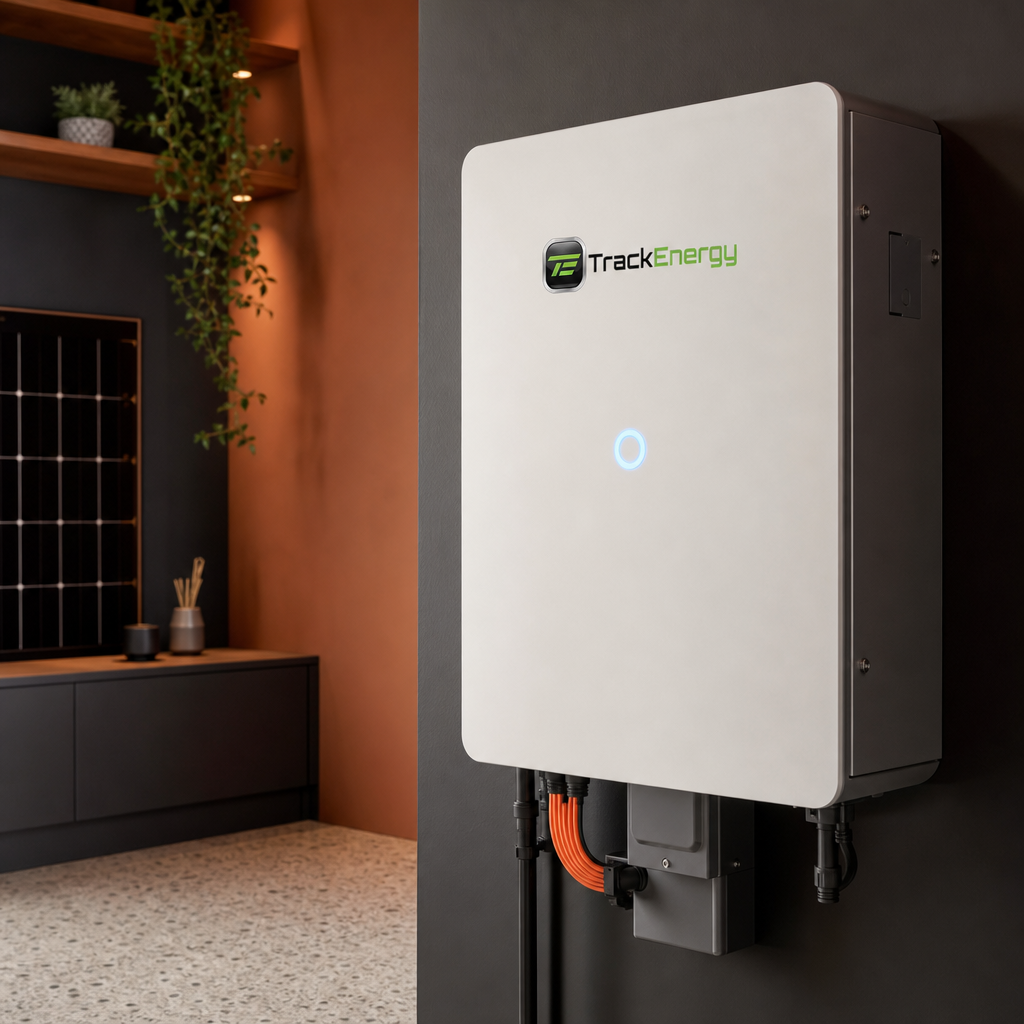
For those with battery storage, the cooler overnight temperatures of late winter and early spring are actually well within the operating range of most modern lithium battery systems. As ambient temperatures rise heading into summer, batteries tend to perform more consistently, which is useful because summer is when you're most likely to want them working hard.
Spring Is Prime Time to Revisit Your System Size
A lot has changed for South Australian households and businesses since the solar industry really took off here. Energy consumption patterns have shifted. More homes have added electric vehicles, changed their heating and cooling habits, or taken on additional loads they didn't have when their original system was designed. If your solar system was installed more than three or four years ago, spring is a reasonable time to ask whether it's still sized appropriately for what you're actually doing with energy today.
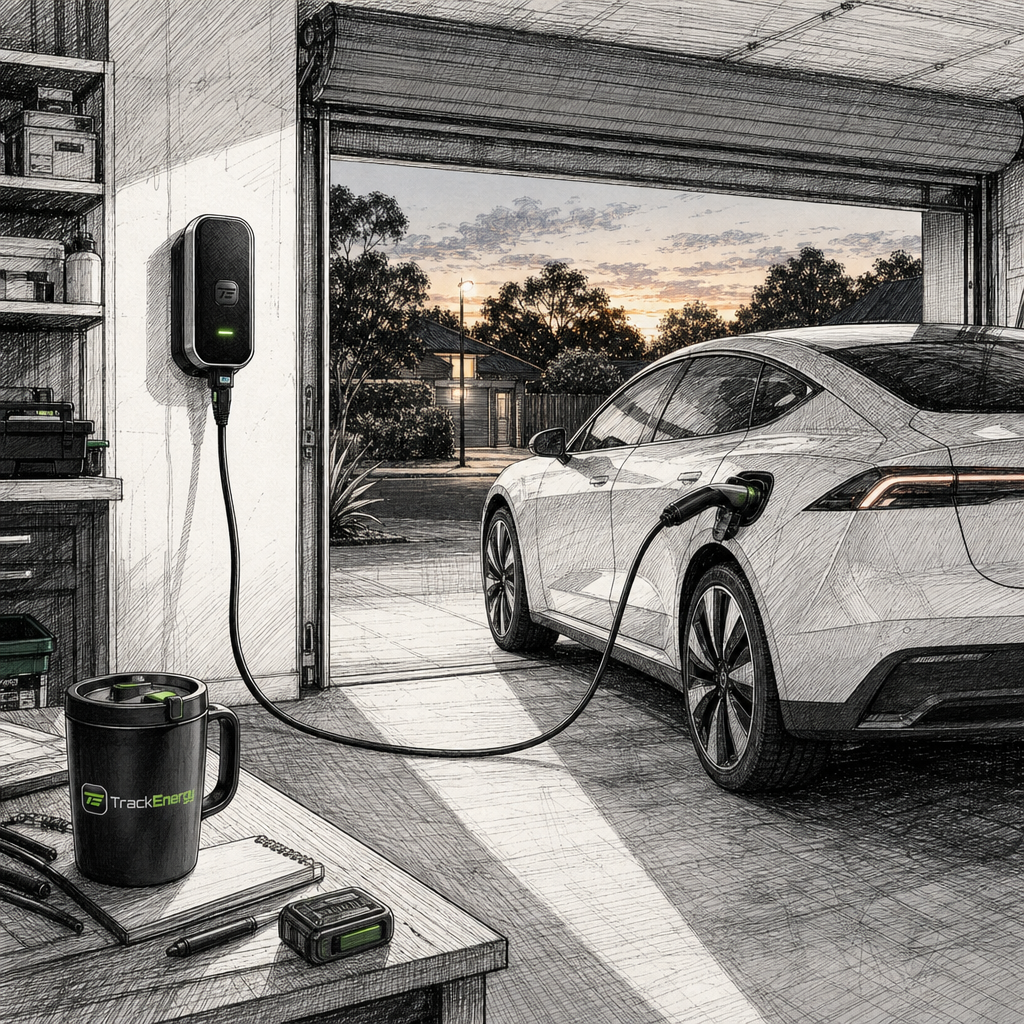
This is particularly relevant if you've been thinking about adding an EV charger, upgrading your battery storage, or expanding a commercial operation. Each of those changes affects how much solar generation you need and what kind of system configuration makes the most sense. Getting that conversation started in spring, rather than mid summer when everyone is focused on bills, gives you more time to make considered decisions.
The most common situation we see is a household that added an EV in the past year or two and hasn't yet looked at whether their existing solar array is keeping up with the increased demand. In many cases, the answer involves a relatively straightforward system review rather than a full replacement, but you won't know without looking at the actual data.
What Businesses Should Be Doing Right Now
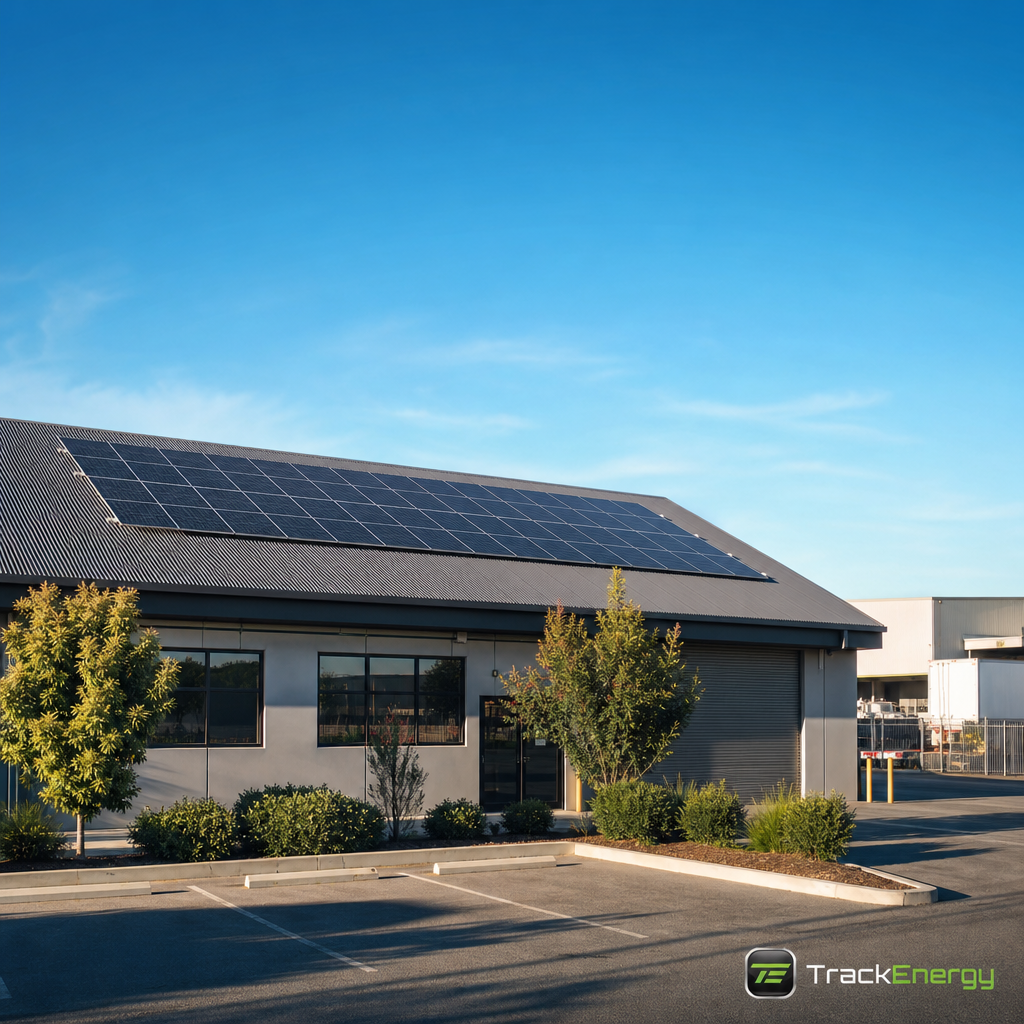
For commercial properties, spring is one of the better windows for planning and installation work before the summer peak hits. Rooftop access is more manageable in moderate weather, installation teams can work through longer daylight hours, and systems commissioned in spring are fully bedded in and monitored before electricity demand climbs in January and February.
If your business has been considering solar and hasn't made the move yet, or if you have an existing commercial system that hasn't been reviewed in a while, the next few months are genuinely the right time to act. Not because of any pressure, but because it's practical. Having a properly sized, properly functioning commercial system running at full capacity before the summer peak is worth a lot more than scrambling to sort something out in December.
Battery storage for businesses is also worth thinking about in this context. Commercial energy use often peaks in ways that attract demand charges from retailers, and a well configured battery system can take the edge off those peaks regardless of the season. Spring is a sensible time to have that conversation.
A Few Simple Things to Do This Month
You don't need to do anything complicated to make the most of spring solar conditions. Here's what I'd suggest for most SA homes and businesses right now.
- Check your inverter or monitoring app and compare your daily generation figures against the same period last year if you have the data. A meaningful drop that doesn't match the weather patterns is worth investigating.
- Take a look at your panels from ground level. If they look dusty or coated rather than clean, it's worth arranging a professional clean and inspection.
- If you've added any new electrical loads since your system was installed, including an EV, a reverse cycle system or additional equipment for a business, think about whether a system review makes sense.
- If you've been sitting on a decision about solar, battery storage or EV charging, use the next month to get a proper site assessment done so you can make a decision based on real information rather than general estimates.
Spring in South Australia is genuinely one of the best times to own a solar system. The generation conditions are excellent, the weather is cooperating, and there's still time before summer to address anything that needs attention. If you're already a Track Energy customer, we're always happy to hear from you. And if you're thinking about making the move to solar, battery storage or EV charging for the first time, now is a good time to start the conversation.
Get a free solar quote from Track Energy. Visit trackenergy.com.au or call 0416 533 628