There is a version of solar that looks the same on paper everywhere in Australia. Same panels, same inverter, same warranty documents. But the way a system performs over its lifetime has a lot to do with decisions made before a single bracket goes on the roof. That is where local knowledge stops being a talking point and starts being the thing that actually protects your investment.
Track Energy has been operating in Adelaide and the Adelaide Hills since 2009. Over fifteen years in one market teaches you things that no training manual covers. This post is about what that actually looks like in practice, and why it matters to you as a homeowner.
Adelaide Has Its Own Set of Conditions
South Australia is not a generic solar market. We have some of the highest average residential electricity prices in the country, a grid that has gone through significant structural change over the past decade, and a climate that moves through real seasonal extremes. Hot dry summers, cool winters, and in the Hills, conditions that can be genuinely different to what you would find fifteen kilometres away in the suburbs.
That last point matters more than people expect. A property in the Adelaide Hills at elevation can have different shading patterns, different morning temperatures affecting panel output, and different wind exposure compared to a flat suburban block in the northern or southern suburbs. Designing a system without accounting for those specifics means you are guessing at some of the most important variables in the whole project.
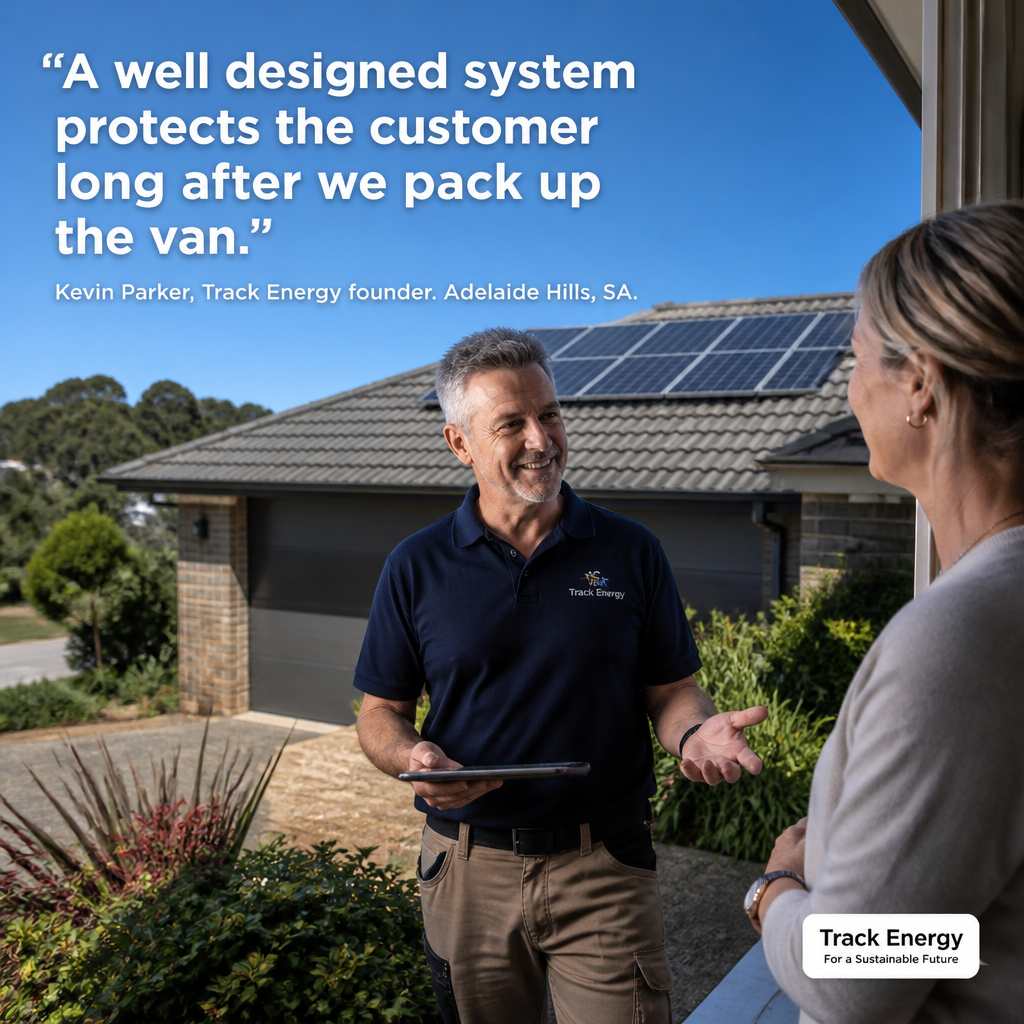
Being based in the Hills ourselves means we are not applying a one size fits all template to every roof we look at. We know the area because we live and work in it.
What Proper System Design Actually Involves
When Track Energy designs a system for a home, the process starts well before any product recommendations are made. The factors that shape the design include roof orientation and tilt, shading from trees or neighbouring structures at different times of day and different seasons, the household's actual energy usage patterns, the mix of appliances, and how that usage shifts across the year.
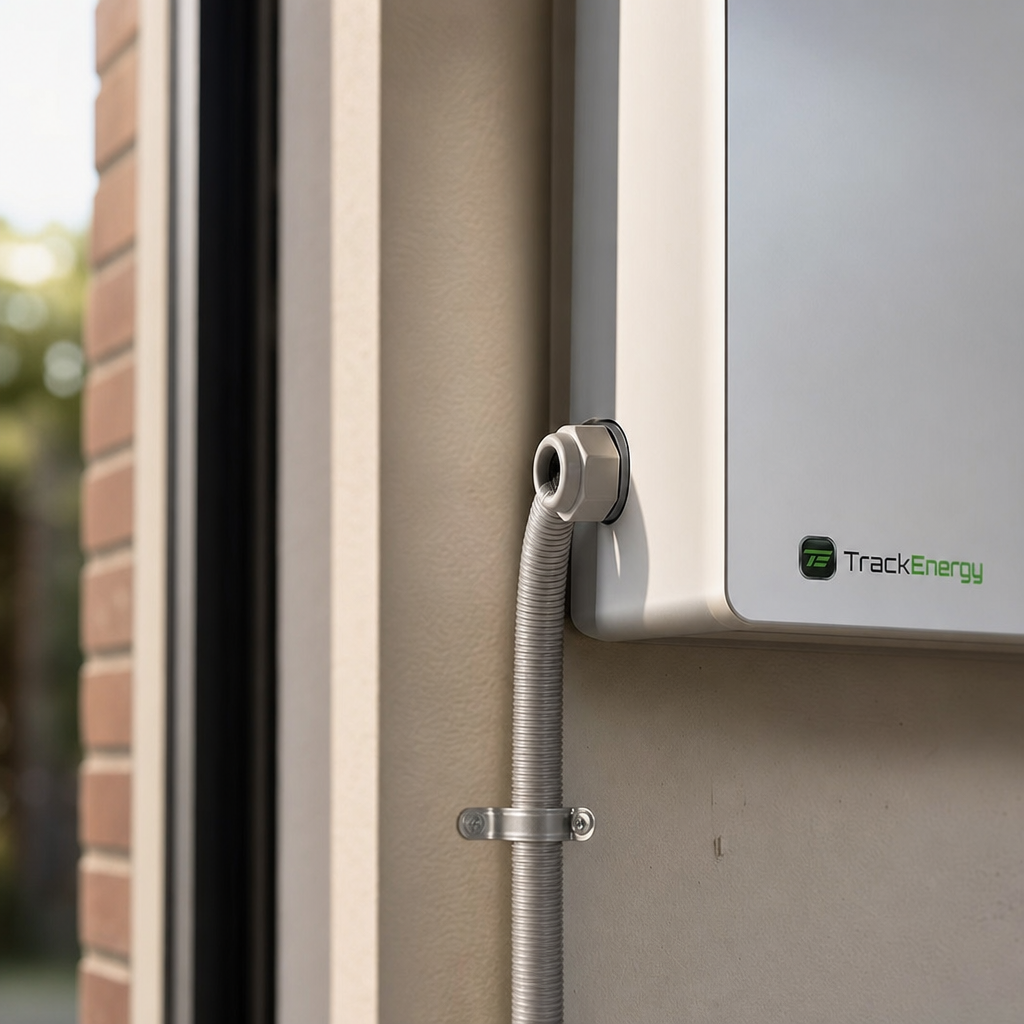
Grid connection requirements also come into this. South Australia's network operators have specific rules around what gets approved and how systems need to be configured. Getting that wrong means delays, extra costs, or in some cases systems that cannot export at the capacity the customer expected. Understanding those requirements from years of working directly with local network processes is part of what makes the design process reliable rather than reactive.
A well designed system is not just one that generates electricity. It is one that generates the right amount at the right times for the way that household actually lives, and that connects to the grid without complications.
Battery Storage and the Local Context
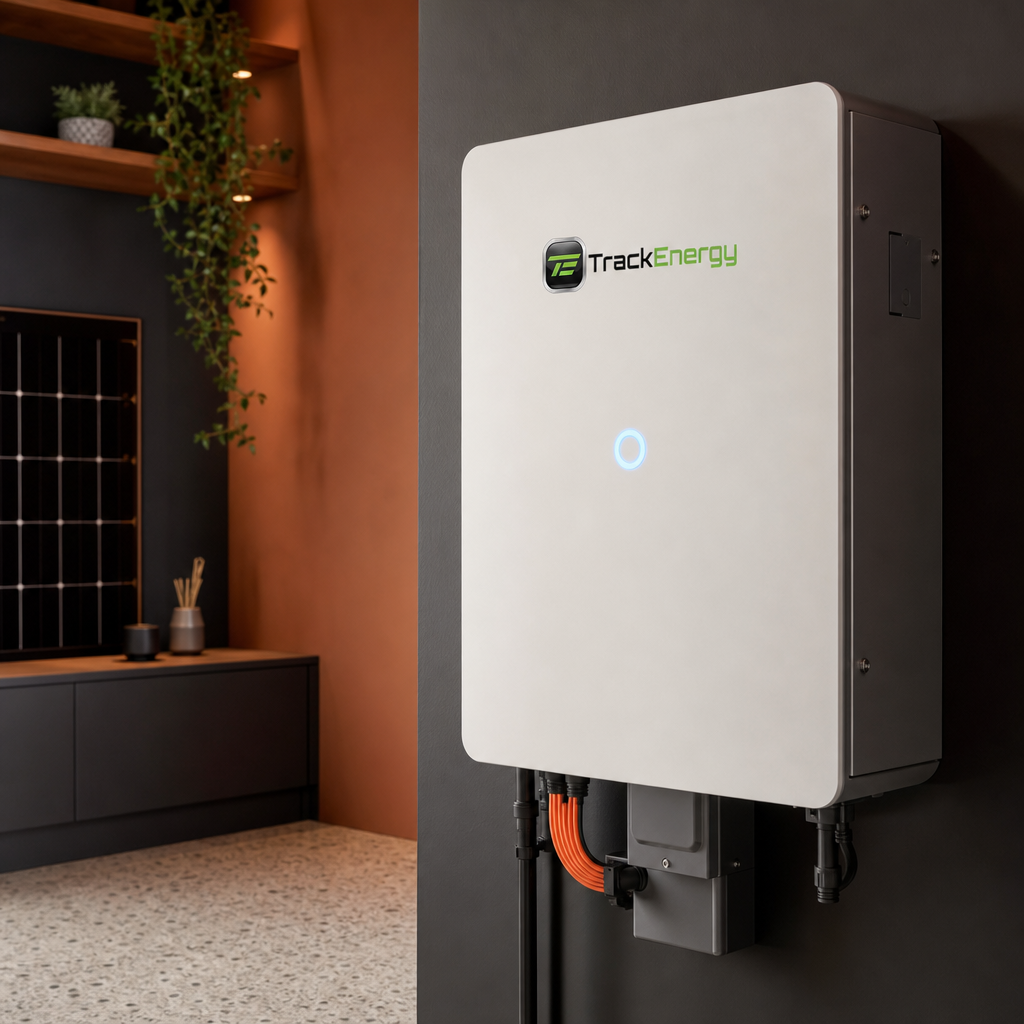
Battery storage is becoming an increasingly practical option for Adelaide households. The combination of high electricity prices, a grid that has experienced reliability challenges in some areas, and South Australian government programs supporting battery uptake means more homeowners are looking seriously at storage as part of their overall energy setup.
The decision about whether battery storage makes sense for a specific household depends on the same kind of careful assessment that applies to the solar design. Usage patterns, when the household draws the most power, what backup capability is needed, and how a battery integrates with an existing or new solar system all need to be worked through properly.
Track Energy works across both solar panel systems and battery storage, and we approach them as connected decisions rather than separate products. The goal is a setup that genuinely suits the household, not one that adds complexity without a corresponding benefit.
Residential and Commercial Work Done to the Same Standard
Track Energy handles both residential and commercial installations. The scale differs, the grid connection requirements often differ, and the usage profiles are very different. But the standard of design and installation does not change based on the size of the job.
For commercial customers, the considerations around system size, roof structure, three phase connections, and how the system interacts with business operating hours add another layer to the design process. Getting that right requires the same local knowledge and hands on experience that applies to residential work, applied to a more technically involved context.
The thing that has stayed consistent across fifteen years is the belief that how a system is installed determines what the customer experiences for the next ten to twenty years. That belief applies to a small residential rooftop in the Hills just as much as it applies to a larger commercial setup.
What Fifteen Years in One Market Means for You
Longevity in a local market is not just a credential to put on a website. It means the business has designed and installed systems that have been running long enough to understand what holds up well and what does not. It means knowing which products perform reliably in South Australian conditions over time. It means having dealt with the full range of grid connection scenarios the local network operators throw at you.
It also means accountability. A locally owned business operating in the same community it serves for over fifteen years has a direct interest in doing the job properly. The customers who refer their neighbours are not going to do that if the system underperforms or the experience was poor. Word of mouth is a significant part of how Track Energy works, and it only keeps flowing when the work earns it.
If you are at the point of thinking seriously about solar or battery storage, the place to start is a conversation about your property, your usage, and what you are actually trying to achieve. No pressure, no hard sell. Just a clear picture of what a well designed system would look like for your home.
Get a free solar quote from Track Energy. Visit trackenergy.com.au or call 0416 533 628