You had solar installed a few years ago. The bills dropped, you stopped dreading the quarterly statement, and life was good. Then something shifted. The bills started creeping back up and now you are wondering whether your system has a problem, whether your retailer is doing something sneaky, or whether solar just stops working as well over time.
The short answer is that in most cases your system is probably fine. What has changed is everything around it. This time of year in particular, winter in Adelaide quietly reshapes the whole energy equation for households on solar. Here is what is actually going on, and what you can do about it.
Winter Changes the Equation More Than People Expect
Adelaide winters are mild compared to the rest of the country, but they still put a real dent in solar production. Shorter days mean fewer peak hours of sunlight. Cloud cover is more frequent. And the sun sits lower in the sky, which reduces the angle at which panels receive direct light.
At the same time, energy demand in the household goes up. Reverse cycle systems running on heat draw a significant load. Evening routines start earlier because it is dark by 5pm. Hot showers get longer. The household is drawing more power at exactly the times the solar system cannot help, which is after the sun has gone down.
A system that comfortably covered your usage through spring and summer can feel like it has shrunk come July, even though it is doing exactly what it was designed to do. The problem is not the system. It is the mismatch between when the solar produces and when the household now needs energy.
Your Usage Has Probably Grown Since the Original Install
This is one of the most common situations we see. A household installs solar based on their usage at the time. A few years pass. The kids get older and are home more. Someone works from home now. You added a pool, an EV, a second fridge, or upgraded the air conditioning. The household energy footprint has grown, but the solar system is still sized for the household it was originally designed for.
This is completely normal and does not mean anything was done wrong. It just means the original design has been outgrown. In these cases it is worth getting a proper review of your current system and current usage before assuming the worst. Sometimes a modest system upgrade is all that is needed. Sometimes the solution is different altogether.
Feed In Tariffs Have Shifted and That Changes the Maths
When solar was first being rolled out across South Australia, feed in tariff rates were significantly more generous than they are today. Many households were earning solid credits by exporting their daytime solar generation back to the grid, and those credits were offsetting their evening usage quite effectively.
Over time those rates have come down considerably. The energy you export is now worth less per kilowatt hour than it used to be, while the energy you import in the evening costs more. So even if your system is generating the same amount as it always did, the financial return from exporting that energy has shrunk. You are selling cheap and buying expensive, and that gap has widened.
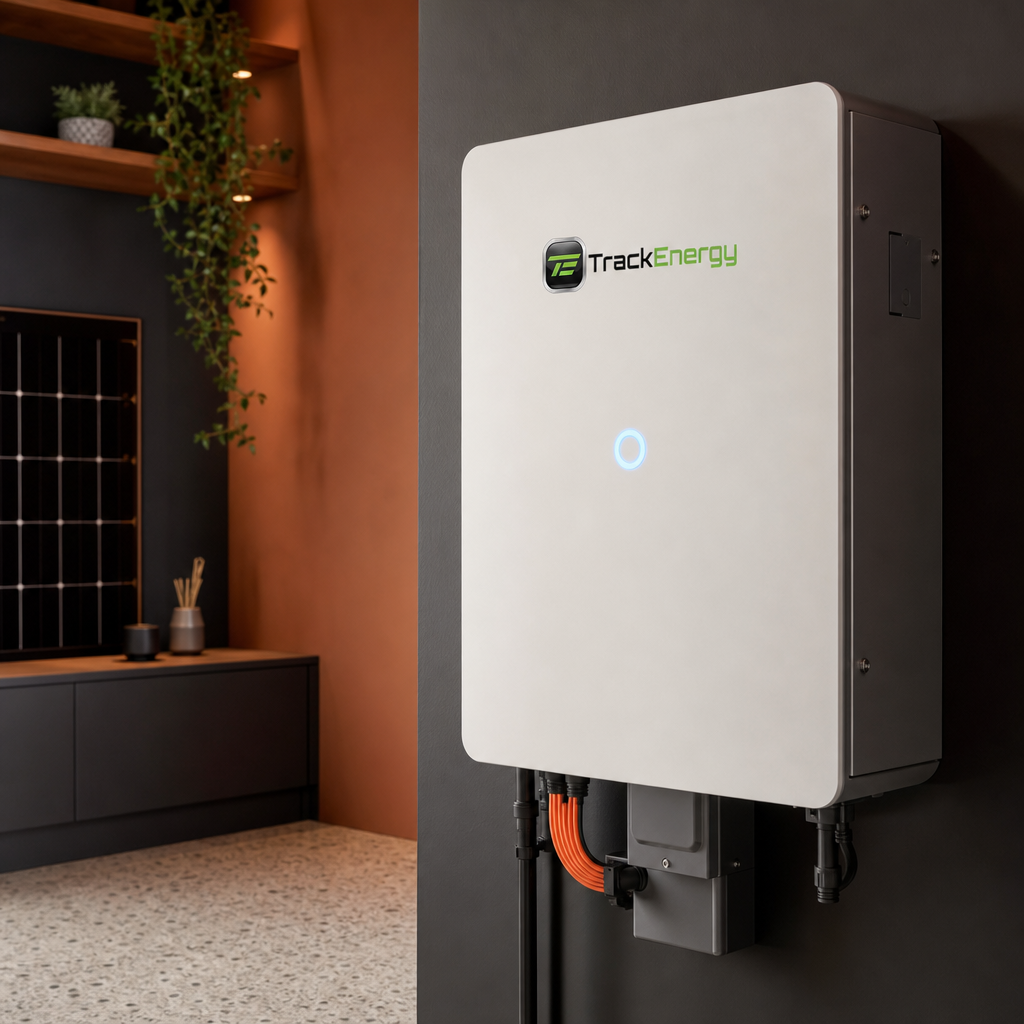
This shift in the feed in landscape is one of the main reasons battery storage has become a much more compelling conversation for households who are already on solar. Instead of sending cheap daytime generation back to the grid for a modest credit, a battery lets you store that energy and use it yourself through the evening when retail rates are higher. The value of self consumption has gone up as the value of exporting has come down.
Is Battery Storage the Right Next Step for Your Home
Battery storage is not the right answer for every household. It depends on your usage patterns, the size and condition of your existing system, your evening demand, your current tariff structure, and a few other factors specific to your property.
That said, for households who are already on solar, who have reasonable daytime generation going back to the grid, and who are drawing significant power through the evenings, the case for adding battery storage has genuinely strengthened over the past few years. The technology has matured, the products available in the Australian market are more reliable than the early generation options, and the economics have shifted in battery's favour as grid electricity prices have continued to rise.
The best way to know whether it makes sense for your home is to get a proper review done. That means looking at your actual consumption data, your current tariff, how your existing system is performing, and what your household load looks like across a typical day. A general estimate is not worth much. The specifics matter.
What to Do If Your Bills Are Creeping Up
Start with a check on your system performance. Most inverters have monitoring apps or portals that show you historical generation data. If your system is generating similar figures to previous years at the same time of year, it is performing as expected and the issue is elsewhere.
Next, look at your household usage. Have circumstances changed since the system was first installed? Are there new appliances or additional people in the home? Understanding where the demand has grown helps identify the right response.
Then look at your tariff. Are you on the most suitable plan for a solar household? Retailers offer a range of structures and some are better suited to households with solar than others. A quick conversation with your energy retailer or an independent review can sometimes surface a simple switch that makes a meaningful difference.
If all of that checks out and the bills are still heading in the wrong direction, that is when a conversation about expanding your system or adding battery storage is worth having properly.
We have been doing this in Adelaide since 2009 and have seen a lot of households go through exactly this cycle. The good news is that in most cases the situation is entirely fixable. It just takes an honest look at what has changed and what the right response is for your specific household, without assuming there is one answer that suits everyone.
If your bills are heading back up and you want a straightforward conversation about why and what your options are, feel free to reach out. No pressure, no sales pitch. Just an honest look at your situation.
Get a free solar quote from Track Energy. Visit trackenergy.com.au or call 0416 533 628