If you have had solar panels on your roof for a year or two and your electricity bills are still higher than you expected, you are not alone. It is one of the most common situations we hear about, and in most cases the reason is the same. The solar system is working perfectly fine. The problem is timing.
The Gap Between When Solar Generates and When You Actually Use Power
Solar panels generate electricity during daylight hours, typically peaking around the middle of the day. For most Adelaide households, that window lines up pretty neatly with the hours when nobody is home. The kids are at school, the adults are at work, and the house is sitting quietly ticking over on minimum load.
So where does all that generated energy go? Back to the grid. Your retailer buys it from you at the feed in tariff rate, which in South Australia has dropped considerably over the years. Then, come late afternoon and evening, when everyone arrives home and the oven goes on, the TV fires up, the hot water kicks in, and a few devices start charging, your panels have wound down for the day. You are now drawing from the grid at peak rates.
That gap between when your solar generates and when your household actually needs power is the core reason many solar owners find their bills are lower, but not as low as they were hoping for.
What Battery Storage Actually Does for a Solar Home
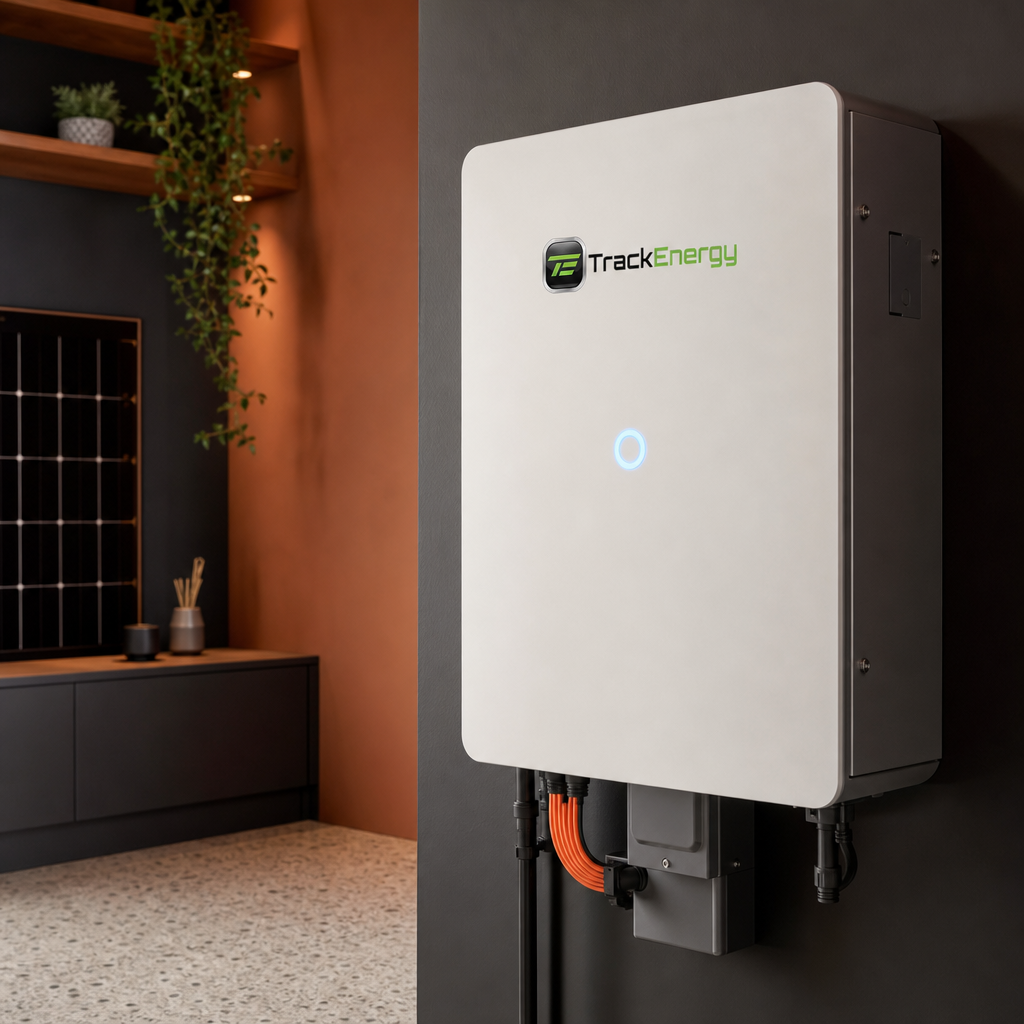
Adding a battery to an existing solar system closes that gap. Instead of the surplus energy your panels generate during the day being exported to the grid, it gets stored in the battery and held ready for use in the evening.
By the time you get home and the household demand picks up, you are drawing from stored solar energy rather than the grid. For most families, that evening period is when the bulk of their daily consumption happens. Shifting that consumption away from grid power and onto stored solar energy is where the real bill reduction tends to come from.
It is not a complicated concept, but it makes a significant practical difference to how useful your solar investment actually is day to day.
The Outage Buffer That Adelaide Hills Households Value
There is another dimension to battery storage that matters particularly to households in the Adelaide Hills and outer metro areas. Grid outages are more common in areas with longer distribution lines and more exposure to weather events. A solar system on its own does not keep your lights on during a blackout. Most grid tied inverters shut down automatically when the grid goes down, for the safety of line workers.
A battery system with backup capability changes that. Depending on the configuration, you can have a portion of your home continuing to run on stored energy while the grid is down. It will not necessarily power the whole house at full load, but it can keep the essentials running, fridge, lights, phone charging, and similar, until power is restored.
For households that have experienced extended outages, particularly during summer storm events, that kind of buffer has real practical value. It is one of the reasons battery uptake tends to be higher in the Hills compared to inner metro areas.
Is Your Setup Right for a Battery Addition
Not every existing solar system is immediately ready for a battery to be bolted on. There are a few things worth checking before you make any decisions.
- Inverter compatibility. Some older inverters are not designed to work with battery storage and would need to be replaced or supplemented with a hybrid inverter. This is worth knowing upfront so there are no surprises on quote day.
- Battery size relative to your usage. The right battery capacity depends on how much energy your household uses in the evening and overnight, not just the size of your solar array. Bigger is not always better if a smaller battery covers your actual evening load and charges fully each day.
- Your current solar array output. If your panels are undersized relative to your consumption, adding a battery might not fully solve the problem. In some cases, expanding the array at the same time as adding storage is the more sensible approach.
- Your tariff structure. Some energy tariffs are better suited to battery ownership than others. Time of use tariffs with clear peak and off peak pricing make battery storage more financially worthwhile. It is worth understanding your current tariff before making the call.
These are not reasons to avoid batteries. They are just the kinds of things a proper assessment should cover before you commit to anything.
What the Conversation Usually Looks Like
When a solar owner reaches out to us to talk about batteries, the conversation usually starts with their bills. We look at their current solar production data if they have access to it, talk through their household usage patterns, and get a sense of what they are trying to achieve, whether that is primarily reducing bills, having backup during outages, or both.
From there, we can put together a recommendation that actually fits their situation rather than just quoting whatever is popular at the moment. The goal is always to give you an honest picture of what a battery will and will not do for your specific setup, so you can make a decision that makes sense for your household and your budget.
If your solar system has been running for a while and your bills are not where you thought they would be, it is worth having that conversation. In most cases, there is a clear reason and a practical next step. Sometimes a battery is the answer. Sometimes there is something else going on worth addressing first. Either way, you are better off knowing.
Get a free solar quote from Track Energy. Visit trackenergy.com.au or call 0416 533 628