Here is something that surprises a lot of people. You can have a perfectly good solar system sitting on your roof, producing less power than it should, and you would never know just by looking at it. There are no warning lights. No alarm bells. The panels look fine from the ground and the inverter display might even show green. But if the system has never been properly checked since the day it was installed, there is a reasonable chance it is not performing the way it should.
I have been working in solar since 2009 and running Track Energy since 2012. In that time we have completed more than 2,000 installations across South Australia. One of the most consistent things I see is homeowners and business owners who assume that because their system was installed correctly it will keep running at full capacity indefinitely without any attention. Solar is low maintenance, that is true. But low maintenance is not the same as no maintenance.
A solar health check is one of the simplest things you can do to protect your investment and make sure your system is actually doing its job. Here is what it involves and why it matters.
The Silent Underperformance Problem
The most common situation we see is gradual degradation that builds up over time rather than a sudden failure. A panel can develop microcracks from hail or heat stress and still produce some output. A connection can loosen and cause resistance losses. A shading issue from a tree that has grown in the last few years might be eating into your morning production without you realising it. Any one of these on its own might reduce your output by a small amount. But several of them together can add up to a meaningful drop in the energy your system is generating every single day.
Because the change happens gradually, most people adjust to it without realising. Their energy bill creeps up a little, they chalk it up to rate increases or higher usage, and the actual cause never gets looked at. Industry data consistently points to shading, soiling, connection issues and inverter degradation as the leading causes of underperformance in rooftop solar systems. None of these are visible to the untrained eye from ground level.
What a Professional Solar Health Check Actually Covers
A proper health check is not someone glancing at your inverter screen and calling it done. There is a thorough process involved and it covers the whole system, not just the parts that are easy to see.
- Panel inspection. Each panel is checked for physical damage including microcracks, delamination, discolouration and soiling. Thermal imaging can identify hotspots that are invisible to the naked eye and indicate a failing cell or connection issue inside the panel itself.
- Mounting and racking. Brackets, rails and fasteners are inspected for signs of corrosion, movement or loosening over time. South Australian roof environments are tough and mounting hardware does take a beating, particularly in coastal and hills areas.
- Wiring and connections. DC wiring on the roof and connections at the inverter are checked for signs of deterioration, UV damage, rodent interference or poor workmanship from the original installation.
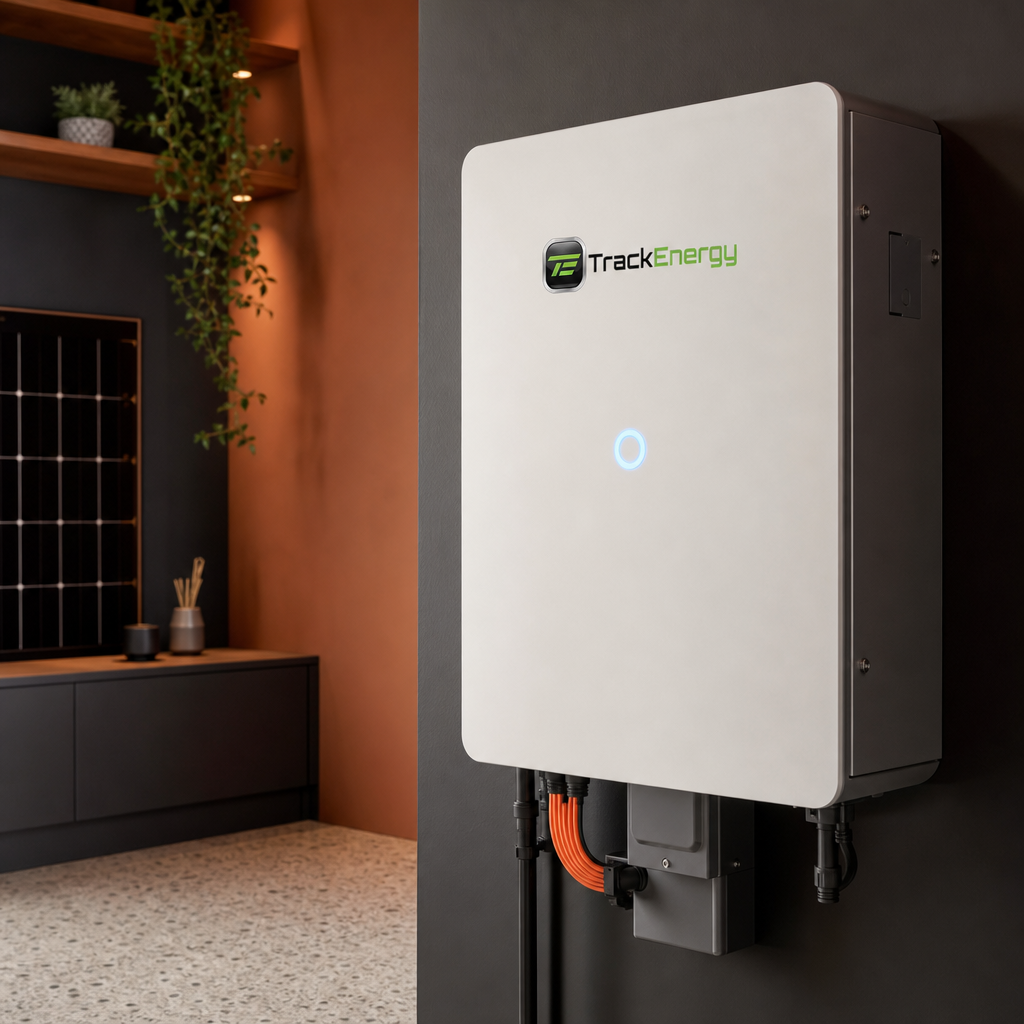
- Inverter performance. The inverter is checked against expected output based on the current season, panel count and system size. Error logs are reviewed and firmware is checked to make sure everything is current.
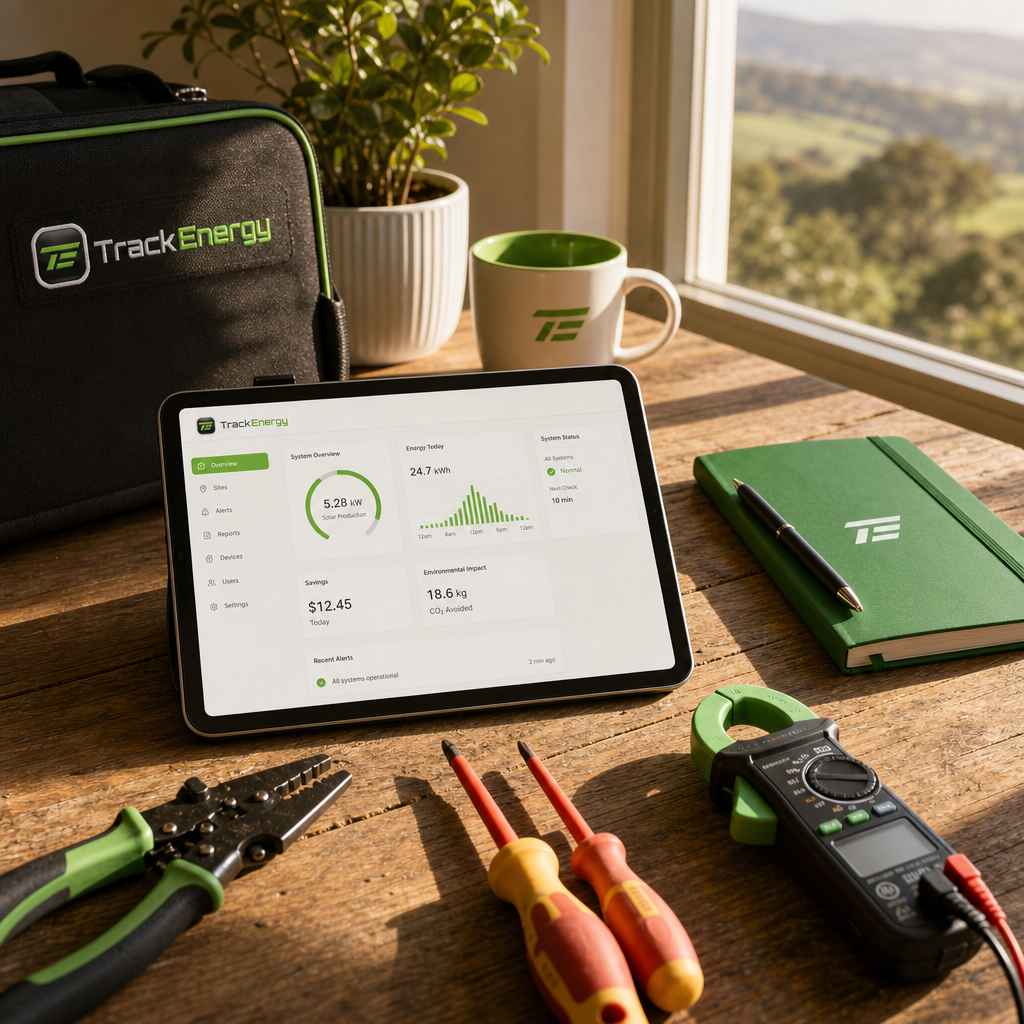
- Performance data review. If you have monitoring data available, a technician can compare actual output over time against expected production. This is often where underperformance becomes clearly visible in the numbers.
- Battery and EV charger checks. If your system includes battery storage or EV charging equipment, those components are included in the check. Batteries in particular benefit from periodic review of their state of health and charge cycle data.
What you get at the end is an honest picture of how your system is actually performing and a clear list of anything that needs attention, from minor maintenance through to component replacement if it has come to that.
How Often Should You Book One
There is no single universal answer because it depends on your system age, where you live and how it was installed. That said, a general guideline that makes sense for most South Australian homes and businesses is a professional check every two to three years at a minimum. If your system is more than five years old and has never been inspected since installation, booking one sooner rather than later is a sensible move.
There are also situations where you should not wait for the routine schedule. If your quarterly energy bills have increased noticeably without a clear explanation in your usage habits, if your inverter is displaying fault codes or has stopped reporting data to your monitoring app, or if your area has experienced severe weather including hail, strong winds or an extended heatwave, those are all good reasons to get a check done promptly.
Homes in the Adelaide Hills are worth a special mention here. The conditions up here are genuinely different to metro Adelaide. Higher wind loads, temperature swings, and the occasional hailstorm mean that panels and mounting hardware work harder and benefit from more regular attention. It is something I think about with my own system.
The Business Case for Commercial Solar Owners
For business owners who have invested in commercial solar, the performance stakes are higher. A commercial system is a significant asset with a direct impact on operating costs. When it underperforms, the financial effect is real and ongoing every single day the issue goes unaddressed.
Many businesses we work with have monitoring systems that generate data but no one who has the time or technical knowledge to interpret what it is telling them. A professional review bridges that gap. It translates the data into a plain language assessment of how the system is tracking against its original design output and flags anything that needs action.
For businesses that have added battery storage, there is an additional dimension. Battery systems involve more components and more complexity. Regular professional review is not just good practice, it is how you protect the long term value of that investment.
Choosing the Right People for the Job
This is where I want to be straightforward with you. Solar health checks are only worth doing if the person doing them knows what they are looking at and has nothing to gain from overstating the problems they find.
We have seen situations where homeowners have been told their whole system needed replacing when what they actually needed was a cleaning and a tightened connection. We have also seen the opposite, where genuine issues were missed entirely by someone who did a cursory visual check and moved on. Neither outcome serves you well.
What you want is a qualified, experienced installer who has worked on a wide range of systems, understands South Australian conditions and energy regulations, and will give you an honest assessment rather than a sales pitch. The track record and local knowledge that come with over a decade in the Adelaide market make a real difference here. Simple from start to switch on applies just as much to a health check as it does to a new installation.
Start With What You Already Have
If you are reading this and realising your system has not been looked at for a while, the first step is straightforward. Pull up your monitoring data if you have access to it and look at your production trend over the past year. Compare your recent quarterly electricity bills to what you were paying in the same quarter two or three years ago. If the numbers do not look right given what you know about your usage, that is a signal worth acting on.
You do not need to diagnose the problem yourself. That is exactly what a professional check is for. What matters is not leaving it another year or two on the assumption that everything is fine.
Your solar system was installed to work for you. A health check is how you make sure it still is.
Get a free solar quote from Track Energy. Visit trackenergy.com.au or call 0416 533 628